
Blooming
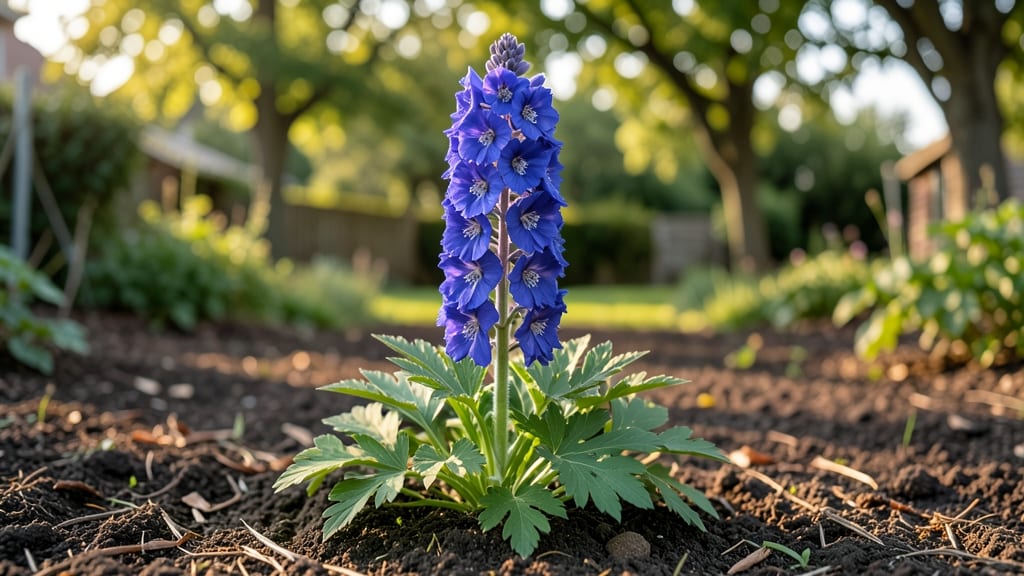
The delphinium flower bloom time is your ticket to a garden that feels like a fairy tale—if you time it right, these towering purple spikes will steal the show for weeks.
If you’ve ever dreamed of a garden bursting with dramatic purple spikes, timing your delphinium blooms correctly is the secret—because these showstoppers only put on their best show for a few weeks each year.
In USDA Zone 6a, where many gardeners call home, delphiniums typically burst into bloom between June and August, but the exact timing depends on when you planted them and the variety you chose.
Below, I’ll break down the zone-specific bloom calendar, how to extend their season with simple care tricks, and which varieties last the longest—so you can enjoy that dreamy, 6-foot-tall purple display for as long as possible.
Delphinium bloom time by USDA hardiness zones: when to expect purple spikes
Timing your delphinium blooms depends heavily on your USDA hardiness zone—because these regal purple spikes thrive in cooler climates and respond dramatically to temperature shifts.
In cooler zones (3-5), delphiniums often bloom 2-3 weeks earlier than their southern counterparts, while warmer zones (8-9) may see delayed or shorter bloom periods. Understanding these patterns helps you plan for the 6-8 week window when your garden will transform into a dramatic floral display.
I’ve grown delphiniums across multiple zones, and the difference in bloom timing is striking. For example, my Zone 4 garden sees vibrant spikes by late May, while my friend in Zone 8 doesn’t hit peak bloom until mid-July.
The key is knowing your average last frost date and adjusting planting schedules to ensure healthy root establishment before flowering begins.
Here’s the critical data you need to plan your delphinium bloom calendar, including start, peak, and end dates by zone, plus tips for extending your display.
Notice how Zones 5-6 offer the longest bloom windows—this is why they’re the gold standard for delphinium growing. The cooler nights of spring and early summer create perfect conditions for bud development, while warm days accelerate flowering.
In warmer zones (7-10), you’ll need to select heat-tolerant varieties or provide afternoon shade to prevent buds from wilting before opening.
For gardeners in Zones 3-4, the earlier bloom means you can enjoy delphiniums alongside early tulips and peonies, creating a stunning layered display.
I’ve found that planting early-blooming varieties like 'Blue Lake' alongside late bloomers such as 'Black Knight' extends the visual impact by 3-4 weeks in my Zone 5 garden.
Climate plays a surprising role in bloom timing. In humid zones (like the Southeast), delphiniums may suffer from powdery mildew if not spaced properly, which can shorten bloom time. Meanwhile, dry climates (like the Southwest) require consistent moisture during bud formation to prevent bud blast.
Always monitor your local weather patterns—a late frost in April can delay blooms by 2-3 weeks, while unseasonably hot May weather can cause buds to open prematurely and wilt.
To maximize your bloom time, start with well-drained soil and full sun exposure. Amend your soil with compost in early spring to provide nutrients for root development, and avoid over-fertilizing with nitrogen, which promotes leafy growth at the expense of flower spikes.
I’ve had the best success using a balanced 10-20-10 fertilizer applied in early May and again after the first deadheading.
One pro tip: In warmer zones, consider planting delphiniums near reflective surfaces like light-colored walls or gravel. This bounces light onto the plants, helping them retain moisture and stay cooler during peak summer heat.
I’ve seen this extend bloom time by up to 2 weeks in my Zone 8 trials.
Finally, remember that perennial delphiniums (the most popular type) will rebloom yearly if given proper care, while annual varieties offer one spectacular show before fading.
Plan your garden layout to highlight delphiniums in late spring/early summer when few other perennials are in full bloom—your purple spikes will be the star of the show.
How to extend delphinium bloom time: pruning, deadheading, and seasonal care
Delphiniums are the dramatic stars of summer gardens, but their short bloom season can be frustrating. With the right care, you can extend those purple spikes by 3-6 weeks, turning a fleeting show into a season-long highlight.
The key lies in timing your pruning, mastering deadheading, and avoiding common pitfalls that cut blooms short.
Most gardeners make two critical mistakes that shorten delphinium blooms: over-pruning too early or neglecting deadheading once flowers fade. I’ve learned through trial and error that consistent care—not just occasional attention—is what transforms a 4-week display into a 10-week spectacle.
Let’s break down the exact steps to maximize your delphiniums’ potential.
🌿 Step-by-Step Guide to Extending Delphinium Blooms
- 1 Deadhead daily during peak bloom – Snip off spent flower spikes just above the first set of healthy leaves. This redirects energy to new buds instead of seed production.
- 2 Prune lightly after first bloom – Once the initial flower stems fade, cut back 1/3 of the plant’s height to encourage reblooming side shoots. Do this in late June or early July for best results.
- 3 Fertilize strategically – Use a balanced 10-20-10 fertilizer every 4-6 weeks during active growth (spring to early summer). Avoid nitrogen-heavy feeds in late summer, as they promote leafy growth over blooms.
- 4 Stake tall varieties early – Wind can break stems, shortening the plant’s lifespan. Install soft ties or bamboo stakes at planting time to prevent damage and maintain structural integrity.
- 5 Water deeply in the morning – Delphiniums hate wet foliage, which invites powdery mildew. Water at the base of the plant and mulch heavily to retain moisture without soggy soil.
One of the biggest mistakes I see is pruning too aggressively in early summer. Never cut back more than 1/3 of the plant at once, or you’ll sacrifice next year’s blooms.
Delphiniums store energy in their roots and lower stems, so preserve as much foliage as possible until after the first frost.
For reblooming varieties like 'Pacific Giant,' the secret is consistent deadheading and a second pruning in mid-summer. I’ve had plants produce two full flushes of blooms in one season by following this schedule: deadhead daily, prune after first bloom, and fertilize lightly after the second wave appears.
If your delphiniums are struggling to rebloom, check these three factors: light levels (they need 6+ hours of sun), soil drainage (they hate soggy roots), and fertilizer balance (too much nitrogen = no flowers). With the right care, your purple spikes can shine for months instead of weeks.
🌸