
Blooming
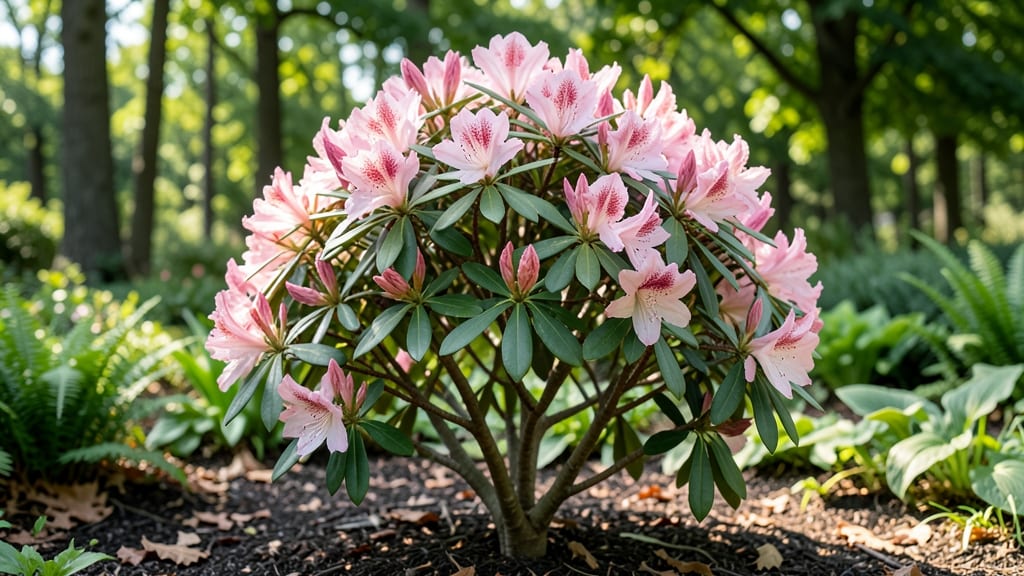
Azaleas don't bloom all summer—most varieties flower in spring for just 3-6 weeks, though some late-blooming types like Enkianthus or Rhododendron may extend their display into early summer. Their flowering window depends heavily on climate, pruning practices, and the specific species.
Most azaleas follow a predictable spring bloom cycle because they're genetically programmed to flower when daylight length increases and temperatures stabilize. 🌸 However, some varieties—like the evergreen azalea—can produce scattered blooms throughout summer if given consistent care.
The key difference lies in their growth habits: repeat-blooming types produce flowers on new wood, while single-bloomers only flower on old growth from the previous season.
What many gardeners overlook is how regional climate plays a role. In warmer southern zones, azaleas may start blooming earlier and extend their display longer than northern varieties, which often wait for consistent daytime temperatures above 50°F.
Proper pruning after blooming (cutting back about 1/3 of the plant) can also encourage new growth that may produce secondary flowers in late summer.
💡 In This Article
- Azalea Bloom Seasons by Variety and Climate
- Extending Azalea Blooms: Pruning and Care Tips
Azalea bloom seasons by variety and climate
Azalea flowering cycles are primarily governed by photoperiodism—the plant's response to daylight length. Most deciduous azaleas (like Rhododendron canadense) bloom in early spring (March-April) when days lengthen, while evergreen azaleas (such as Rhododendron obtusum) typically flower in late spring (April-May).
The difference comes down to their genetic programming: deciduous types need cold winter dormancy to trigger blooms, while evergreens respond to consistent 50-65°F temperatures without extreme cold.
Climate zones create dramatic variations in bloom timing. In USDA Zone 7-9 (southern regions), azaleas may start blooming as early as February due to milder winters, while northern varieties in Zone 4-6 often wait until May when soil temperatures stabilize above 55°F.
For example, the 'Girard's' azalea in Georgia might flower in March, while the same variety in Minnesota would bloom in late May. Humidity also plays a role—high moisture levels can extend bloom duration by 10-15% through reduced stress on the plant.
Late-blooming exceptions exist in the Ericaceae family. Enkianthus (dogwood azalea) produces clusters of bell-shaped flowers that appear in June-July, while Rhododendron catawbiense varieties may rebloom in late summer if given proper care.
These species have adapted to shorter growing seasons by producing flowers on current season's growth rather than old wood, allowing for more flexibility in timing. The tradeoff is often smaller, less vibrant blooms compared to spring-flowering varieties.
Temperature fluctuations can dramatically shorten bloom duration. A late frost below 28°F can destroy buds before they open, while heatwaves above 90°F cause flowers to wilt within 3-5 days.
This is why coastal regions often enjoy longer bloom periods—the moderating ocean temperatures create more stable conditions. Inland areas may experience 2-3 week shorter bloom cycles due to temperature swings.
Color also indicates bloom timing—pink and purple azaleas often flower earlier than white or yellow varieties. For instance, 'Hershey Red' typically blooms 7-10 days earlier than 'White Pearl' in the same growing zone. This color-based timing can help gardeners plan companion plantings for sequential blooms throughout spring and early summer.
What most gardeners miss is how elevation affects bloom timing. Mountain azaleas (Rhododendron vaseyi) at 3,000+ feet elevation may bloom 3-4 weeks later than valley varieties due to cooler temperatures, while lowland azaleas (Rhododendron austrinum) often flower 2 weeks earlier in the same region.
This vertical variation creates microclimates where different azalea species can coexist with staggered bloom periods.