
Blooming
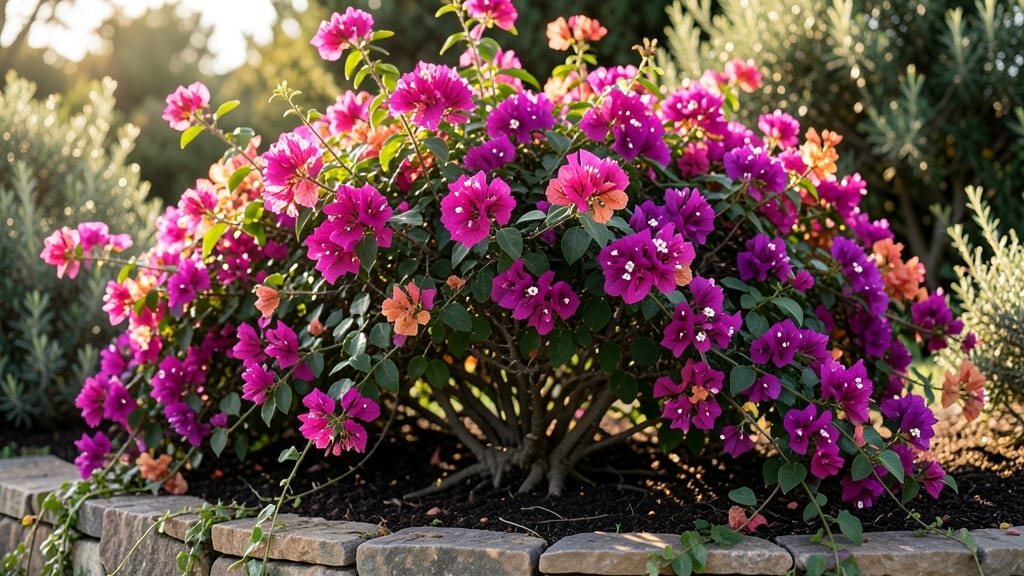
Bougainvillea blooms all year round only when grown in tropical climates like USDA Zones 10-11 where temperatures stay consistently warm. In cooler regions, blooming typically occurs in spring and summer, but strategic pruning can encourage new growth and extended flowering periods.
Bougainvillea's flowering habits are directly tied to temperature and daylight exposure. 🌞 In tropical climates, the plant thrives year-round with blooms appearing continuously due to stable warmth and long daylight hours. However, in cooler zones, the plant often enters dormancy during winter months, which naturally limits blooming to warmer seasons.
Pruning plays a crucial role—cutting back old growth in late winter or early spring stimulates new shoots that produce vibrant flowers.
For those in non-tropical areas, maintaining consistent care like proper watering and fertilizer application can help extend the blooming season. 🌿 The key is understanding your local climate and adjusting care routines accordingly to maximize flowering potential throughout the year.
💡 In This Article
- Climate Zones That Trigger Bougainvillea’s Year-Round Blooms
- Pruning and Care Tips to Extend Bougainvillea Blooming Seasons
Climate zones that trigger bougainvillea’s year-round blooms
Bougainvillea's blooming cycle is primarily governed by temperature thresholds and daylight exposure. The plant thrives in USDA Zones 10-11 where average winter temperatures stay above 60°F. In these tropical climates, the consistent warmth prevents dormancy, allowing the plant to produce flowers continuously throughout the year.
The key biological trigger is the plant's response to stable temperatures above 55°F, which maintains active growth and flowering.
In cooler zones (USDA Zones 7-9), bougainvillea typically enters dormancy when temperatures drop below 50°F. This natural response conserves energy, halting flower production until spring when temperatures rise again. The plant's flowering mechanism relies on a balance of 12-14 hours of sunlight daily combined with warm temperatures.
In tropical zones, this sunlight exposure remains consistent year-round, creating ideal blooming conditions. 🌿 Meanwhile, in cooler regions, shorter winter days and cold temperatures disrupt this balance, leading to seasonal blooming patterns.
Humidity also plays a crucial role in bougainvillea's flowering habits. Tropical climates typically maintain 60-80% humidity levels, which helps maintain the plant's moisture balance and supports continuous blooming. In contrast, drier climates (like many USDA Zone 8 regions) may require additional irrigation to mimic these conditions.
The plant's papery bracts, which we often mistake for flowers, are highly sensitive to moisture levels—too little can cause them to dry out and fall prematurely.
Let's examine how different USDA zones affect bougainvillea growth patterns:
- Zones 10-11: Year-round blooming with minimal dormancy (3-6 months of continuous flowers)
- Zones 8-9: Spring/summer blooming (4-5 months) with winter dormancy
- Zones 7 and below: Limited blooming (2-3 months) unless grown as container plants with winter protection
The plant's response to temperature changes involves complex hormonal signals. When nights stay above 55°F, the plant maintains high levels of florigen (a flowering hormone), while cooler nights trigger dormancy hormones.
This biological mechanism explains why bougainvillea in containers can sometimes bloom year-round even in cooler climates—container soil retains more heat than garden soil. 🌡️
Understanding these climate-specific patterns helps gardeners set realistic expectations. In tropical zones, bougainvillea's natural tendency is continuous blooming, while in cooler regions, strategic care becomes essential to extend the flowering season beyond its natural limits.