
Blooming
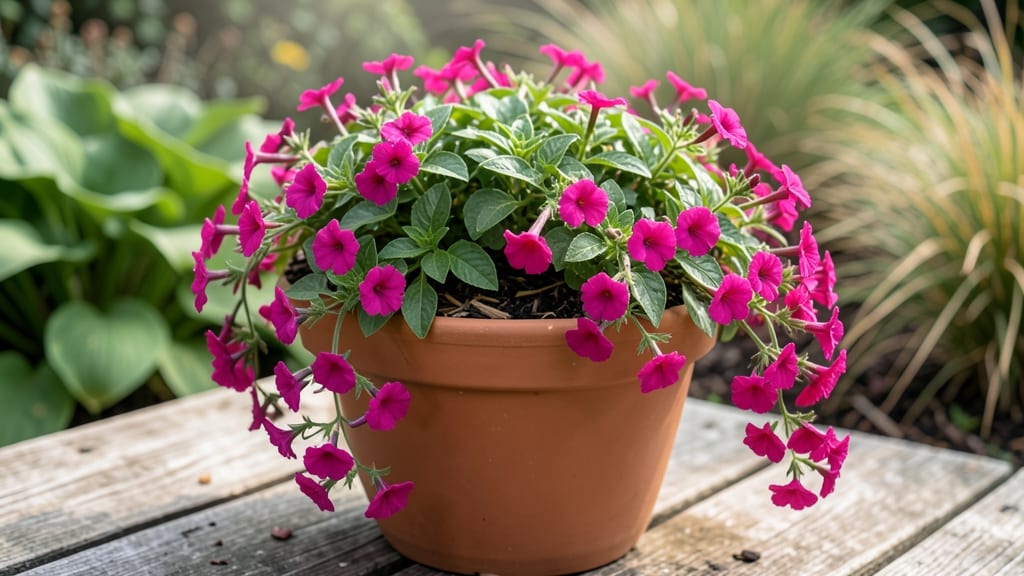
Calibrachoa do bloom all summer when cared for properly, producing vibrant flowers from early spring through fall if you maintain steady moisture, provide afternoon shade during peak heat, and regularly remove spent blooms. Heat-tolerant varieties like 'Superbells' and 'Mini Millions' are bred specifically to rebound quickly and keep flowering until frost.
Calibrachoa's secret to summer-long blooms lies in its ability to adapt to heat stress. 🌿 These compact plants develop deeper root systems that access moisture efficiently, while their waxy leaf coatings reduce water loss during hot days.
The key is balancing sun exposure—too much direct afternoon heat can cause wilting, but partial shade helps them recover faster. I've found that varieties like 'Superbells' handle heat better than others because their genetic makeup includes natural drought tolerance, making them ideal for container gardens or sunny patios.
What really makes the difference is consistent care. Unlike annuals that fade quickly, calibrachoa rewards gardeners who stay on top of deadheading—removing spent flowers prevents energy waste and encourages new buds. A morning watering schedule keeps roots cool, while a light layer of mulch helps retain soil moisture.
For containers, I recommend using well-draining potting mix with added perlite to prevent root rot during summer downpours.
💡 In This Article
- Why Calibrachoa Thrives in Summer Heat
- Best Practices for Year-Round Calibrachoa Blooms
Why calibrachoa thrives in summer heat
Calibrachoa's ability to bloom all summer stems from its adaptive physiological traits, particularly its deep, fibrous root system that extends 12-18 inches below the soil surface. These roots seek out moisture efficiently, even in dry conditions, while their mycorrhizal associations (symbiotic fungal relationships) enhance nutrient absorption during heat stress.
The plant's waxy leaf cuticle acts like a natural moisture barrier, reducing water loss through transpiration by up to 30% compared to non-waxy foliage.
Sunlight exposure plays a critical role in their blooming cycles. While calibrachoa loves light, direct afternoon sun (2-5 PM) during peak summer months (July-August) can cause photoinhibition—where excess light energy damages chlorophyll.
Varieties like 'Superbells' have thicker leaf cuticles and higher anthocyanin levels (the pigments that give flowers their vibrant colors), which act as natural sunscreens. These traits allow them to handle up to 6 hours of morning sun plus 2-3 hours of filtered afternoon light without wilting.
The key to summer-long blooms lies in how calibrachoa manages hormonal balance. When temperatures exceed 85°F, the plant shifts energy from foliage growth to flower production—a survival mechanism to reproduce quickly before conditions worsen.
Regular deadheading (removing spent blooms) maintains this hormonal equilibrium by preventing the plant from diverting energy to seed production. Without intervention, a single calibrachoa plant can produce 50-100 flowers per week during peak season when properly cared for.
Not all calibrachoa varieties perform equally in heat. 'Mini Millions' series, for example, has smaller, more compact growth habits that reduce water loss surface area, while 'Superbells' develops sturdier stems that resist heat-induced flopping.
The difference comes down to breeding focus—heat-tolerant varieties are selected for traits like reduced stomatal density (fewer pores on leaves) and increased root-to-shoot ratios, which prioritize underground moisture storage over above-ground growth.
What most gardeners don't realize is how soil temperature affects blooming. Calibrachoa roots thrive in soil temps between 65-75°F. When surface soil exceeds 80°F (common in late summer), root activity slows, causing wilting even with adequate water.
This is why mulching with 2-3 inches of organic matter (like shredded bark) creates a cooler microclimate at root level while retaining moisture. The ideal soil mix should contain 30% perlite or vermiculite to improve aeration and prevent compaction during summer rains.
Consider this comparison: A calibrachoa plant in 6 hours of morning sun + afternoon shade blooms continuously for 14-16 weeks, while one in full sun may only produce flowers for 8-10 weeks before heat stress takes over.
The difference comes down to photosynthesis efficiency**—shaded plants allocate more energy to flowering rather than protective leaf growth.