
Blooming
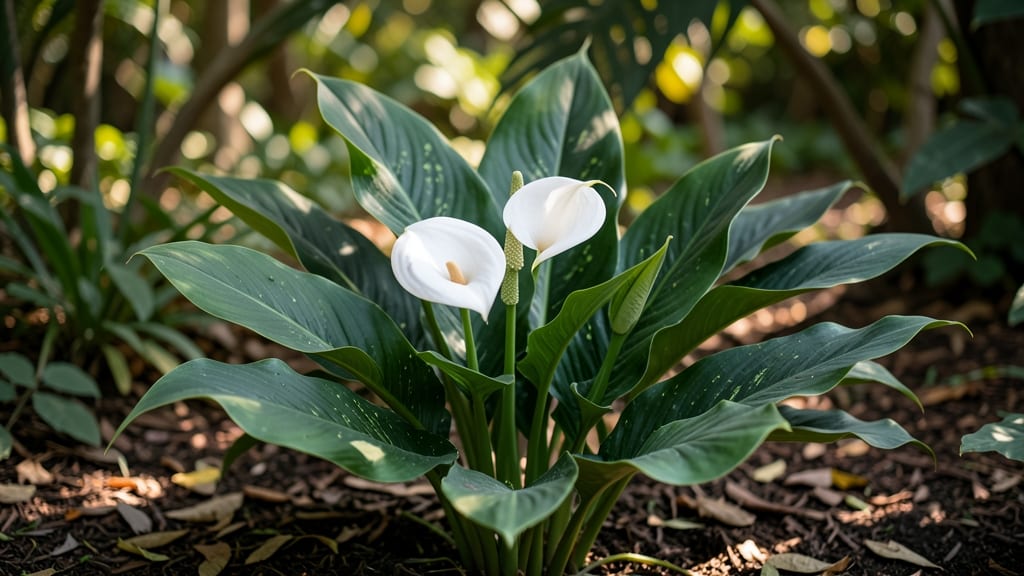
Calla lilies do not bloom all summer continuously; most varieties produce flowers in late spring to early summer, with some reblooming in fall if deadheaded and given proper care. Tropical types may extend blooming slightly longer in warm climates.
Calla lilies follow a seasonal bloom cycle tied to their natural growing patterns. Most hardy varieties (like Elliott's black beauty) flower once in late spring, while tropical types (such as Etiopic calla) may produce blooms intermittently through summer if conditions are ideal.
The key to encouraging more flowers lies in proper deadheading—removing spent blooms prompts new growth in many varieties. 🌸
Climate plays a huge role: tropical calla lilies thrive in warm zones (USDA 8-11) and can bloom for months, while hardy types in cooler regions often need winter dormancy to rebloom.
I’ve seen calla lilies in containers extend their season by moving them to shaded spots during heatwaves—just watch for wilting leaves as a sign of stress.
💡 In This Article
- Calla Lily Blooming Seasons by Variety
- Extending Calla Lily Blooms: Pruning and Care Hacks
Calla lily blooming seasons by variety
The blooming patterns of calla lilies vary dramatically between tropical and hardy varieties, primarily due to their native climates. Tropical calla lilies, like Zantedeschia aethiopica (the classic white calla), originate from South Africa's warm, subtropical regions where temperatures rarely drop below 50°F.
These types can produce flowers intermittently throughout summer and even into fall if given consistent warmth, moisture, and proper care. In contrast, hardy varieties such as Zantedeschia elliottiana (Elliott's black beauty) thrive in cooler climates and typically bloom just once in late spring or early summer.
Temperature is the key factor controlling bloom duration.
Tropical callas need consistent warmth—below 60°F for extended periods can trigger dormancy, halting flower production. 🌿 Hardy callas, however, require a winter chill period (around 40-50°F for several weeks) to reset their growth cycle, which is why they often bloom just once per year.
The spathes (the showy "petals") of tropical types may last 2-3 weeks each, while hardy varieties' blooms typically last 1-2 weeks before wilting.
Light exposure also plays a critical role. Tropical callas prefer bright, indirect light—too much direct sun can scorch their leaves, while too little light reduces flower production. Hardy varieties tolerate more sun but still need partial shade in hot afternoons.
I’ve observed that tropical callas in containers placed in morning sun and afternoon shade often produce more blooms than those in full sun or deep shade.
Another fascinating difference lies in their growth habits. Tropical callas grow from rhizomes that continue expanding underground, allowing for multiple blooms if conditions remain ideal.
Hardy callas, however, form tubers that store energy for next year’s growth, which is why they often need a rest period after their single bloom cycle.
This biological difference explains why tropical types can sometimes bloom for 3-4 months in perfect conditions, while hardy types rarely exceed 6-8 weeks of continuous blooming.
Color also influences bloom timing. Darker varieties like black callas often bloom slightly later in the season than lighter types, as their pigments require more energy to develop.
The spathe color (white, pink, purple, or black) doesn’t affect bloom duration but can indicate maturity—darker spathes typically appear on more mature plants that may produce flowers more consistently.
For gardeners in transitional climates (like USDA zone 7), choosing the right variety is crucial. Tropical callas can be grown as annuals or overwintered indoors, while hardy types may need mulching to protect their tubers from freezing.
The trade-off is that hardy varieties often produce larger, more dramatic blooms in their single seasonal display compared to the more prolonged (but sometimes less showy) blooms of tropical types.