
Blooming
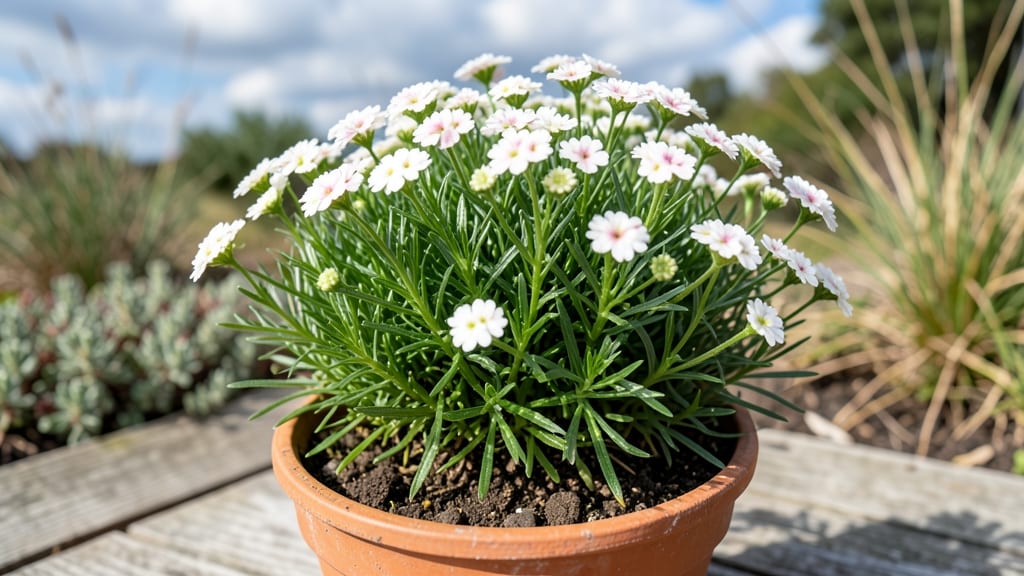
Candytuft does not bloom all summer naturally, as it typically produces a single spring display before fading. However, in cooler climates (USDA Zones 3-7), deadheading spent blooms can encourage sporadic reblooming later in the season, while heat-tolerant varieties like Iberis sempervirens may linger longer in partial shade.
Candytuft's blooming habits are heavily influenced by temperature and daylight, which explains why it rarely stays in full bloom through summer. 🌸 In cooler regions, the plant often enters a dormant-like state after its spring display, only to respond to deadheading by producing smaller, sporadic flowers later.
Heat-tolerant varieties like Iberis sempervirens handle warmer climates better but still prefer partial shade to conserve moisture and energy for flowering. The key to extending blooms lies in understanding your local climate and choosing the right variety for your growing conditions.
For gardeners in warmer zones, selecting candytuft varieties bred for heat tolerance can make a noticeable difference in bloom duration. These varieties often have deeper root systems that help them access water during dry spells.
Additionally, mulching around the base of the plant can help retain moisture and regulate soil temperature, creating more favorable conditions for extended flowering.
💡 In This Article
- Candytuft Bloom Cycles: Seasonal Triggers and Climate Dependence
- Extending Candytuft Blooms: Pruning and Variety Tips for Longer Displays
Candytuft bloom cycles: seasonal triggers and climate dependence
Candytuft's flowering behavior is primarily governed by photoperiodism—the plant's response to changing daylight hours. In its native Mediterranean and European habitats, candytuft experiences a natural spring bloom triggered by increasing daylight after winter dormancy.
Once temperatures rise above 70°F for prolonged periods, the plant shifts into a vegetative state, conserving energy for survival rather than flowering. This explains why most varieties produce just one flush of blooms in spring, typically between April and June, before fading by midsummer.
The botanical mechanism involves hormonal shifts: gibberellins (plant growth hormones) peak during spring's cooler temperatures, promoting flower development. As summer heat intensifies, ethylene production increases, signaling the plant to prioritize seed production over new blooms.
In USDA Zones 3-7, where nights remain cooler, deadheading (removing spent flowers) can trick the plant into producing secondary blooms by preventing seed formation and redirecting energy. This works because candytuft perceives the absence of seed heads as a cue to continue flowering rather than entering dormancy.
Climate plays a critical role in bloom duration. In cooler zones (3-7), candytuft often exhibits sporadic reblooming in late summer or early fall when temperatures dip below 80°F at night.
Varieties like Iberis sempervirens thrive in these conditions, producing delicate white or pink flowers that may persist until September.
In contrast, warmer zones (8+) experience more consistent heat stress, causing candytuft to bolt (rapidly produce seeds) and fade entirely by July unless provided with afternoon shade to reduce soil temperature.
Humidity levels also influence bloom timing. Candytuft prefers moderate humidity (40-60%) to prevent fungal diseases that weaken the plant. In dry climates, the plant conserves water by reducing flower production, while excessive moisture can lead to root rot, further inhibiting blooms.
The interplay of these factors explains why candytuft rarely blooms continuously—its energy is always balancing between survival and reproduction based on environmental cues.
For gardeners in Zone 7 and below, the secret to extended blooms lies in mimicking natural conditions. Planting candytuft in partial shade (3-4 hours of morning sun) helps regulate temperature, while well-draining soil prevents water stress.
Mulching with 2-3 inches of organic matter (like straw or pine needles) insulates roots, creating a microclimate that supports sporadic reblooming even in summer's heat.
Consider these key factors when choosing varieties for longer displays:
- Heat tolerance: Iberis sempervirens handles 85°F+ better than other varieties but still prefers partial shade
- Reblooming potential: Deadhead every 2-3 weeks to encourage secondary blooms in cooler zones
- Soil preferences: Sandy, well-draining soil prevents root stress that inhibits flowering
The science behind candytuft's seasonal behavior reveals why it's rarely a continuous bloomer—its entire lifecycle is adapted to brief, intense displays rather than prolonged flowering.
Understanding these triggers allows gardeners to create optimal conditions for sporadic summer blooms, turning candytuft into a reliable seasonal highlight rather than a one-time spring spectacle. 🌿