
Blooming
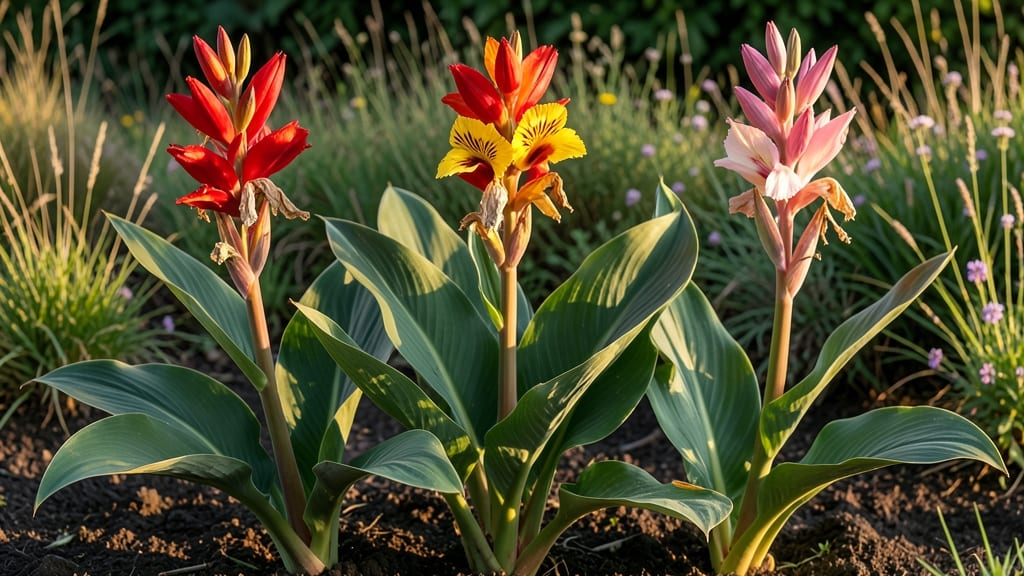
Canna lilies do bloom all summer once established, producing vibrant flowers from mid-June through frost when given full sun and consistent moisture. Their flowering intensity depends on variety and local climate, but proper care can make them bloom continuously until cold weather arrives.
Once settled in, canna lilies respond beautifully to summer's warmth, with many varieties like 'Striped' or 'Pactolus' producing bold, tropical blooms for weeks at a time. 🌸 The key to their long bloom season lies in their love for heat—temperatures above 75°F trigger continuous flowering, though some varieties may slow down slightly as fall approaches.
I've noticed that canna lilies planted in well-draining soil with regular watering (about 1-2 inches per week) produce the most abundant blooms, while those in dry or overly compacted soil may struggle to maintain their flowering intensity.
What many gardeners don't realize is that canna lilies actually increase their bloom production when given consistent care.
Unlike some perennials that taper off in late summer, cannas often reward gardeners with a second flush of flowers in late August or September if you remove spent blooms regularly—a technique called deadheading. This simple step encourages the plant to redirect its energy toward new growth rather than seed production.
💡 In This Article
- Heat and Sunlight Triggers for Canna Lily Blooms
- Maximizing Summer Blooms: Watering, Soil, and Pruning Tips
Heat and sunlight triggers for canna lily blooms
Canna lilies are tropical plants at heart, and their blooming habits are directly tied to temperature and daylight exposure. These plants rely on a process called thermoperiodism, where consistent warmth triggers their flowering mechanisms.
When daytime temperatures stay above 75°F for extended periods, canna lilies enter a continuous bloom cycle that can last from early summer until frost. The key threshold is 68°F at night—any cooler, and the plant may conserve energy rather than produce flowers. 🔥
Different varieties respond to heat in distinct ways. For example, 'Red Beauty' canna lilies often produce their first blooms when soil temperatures reach 65°F, while 'Tropicanna Yellow' varieties may wait until soil hits 70°F or warmer.
The reason for this variation lies in their native habitats—some cannas originate from higher elevations where cooler nights are normal, while others come from lowland tropical regions where heat is constant.
This is why gardeners in cooler climates often see reduced blooming in late summer when nighttime temperatures dip below 60°F.
The role of sunlight goes beyond just warmth—it's about the intensity of light exposure. Canna lilies need 6-8 hours of direct sunlight daily to maintain their bloom production. In full sun, their leaves develop a deeper green color and produce more chlorophyll, which fuels the energy needed for continuous flowering.
What's fascinating is how these plants adjust their bloom cycles based on daylight length. While not true photoperiodic plants (they don't rely solely on day length), they do respond to the quality of light—bright, direct sunlight produces more vibrant blooms than filtered light.
As summer progresses toward fall, you'll often notice a natural slowing of blooms. This happens because canna lilies sense the shortening daylight hours and cooler temperatures as a signal to prepare for dormancy.
The plant begins redirecting energy from flower production to root and rhizome development, which is why you might see fewer blooms in September even with perfect care.
However, varieties like 'Pactolus' often provide a late-season surprise by producing a second flush of flowers if you remove spent blooms consistently—a process that tricks the plant into thinking it's still summer.
Here's what's actually happening at the cellular level: Heat activates specific enzymes in canna lily flowers that accelerate the production of anthocyanins, the pigments responsible for their vibrant colors. When temperatures drop below 65°F at night, these enzymes become less active, leading to slower bloom production.
This biological response explains why canna lilies often put on their best show during the hottest part of summer when temperatures are most consistent. 🌿
Consider these key factors when planning your canna lily garden:
- Temperature thresholds: Maintain daytime temps above 75°F and nighttime temps above 60°F for optimal blooming
- Sunlight intensity: Provide full sun exposure (6+ hours daily) with minimal shade from trees or structures
- Variety selection: Choose heat-loving varieties like 'Durban' or 'Cleopatra' for continuous summer blooms
- Late-season care: Extend blooming by deadheading spent flowers until mid-October in most climates