
Blooming
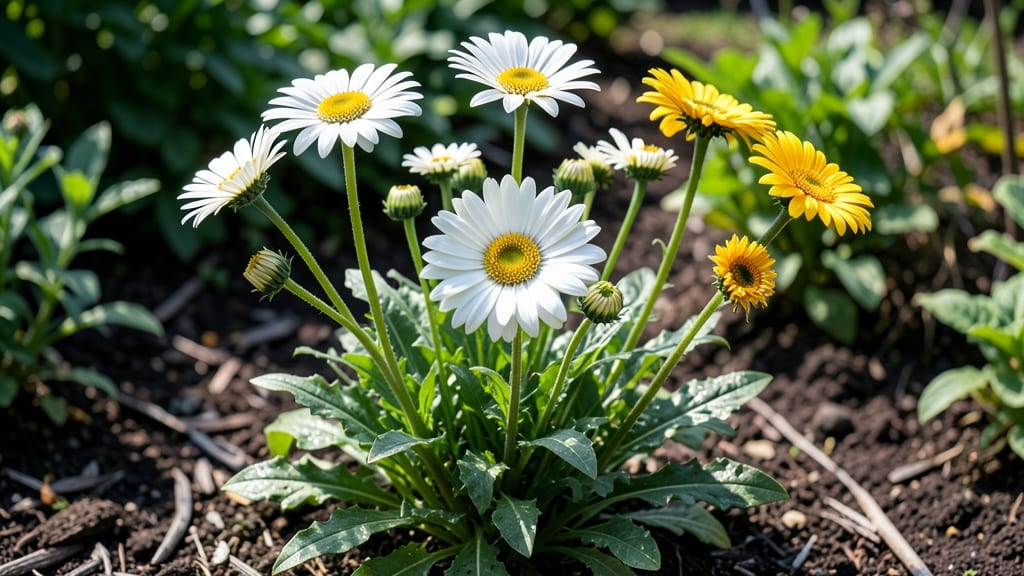
Daisies don't bloom all summer continuously—most varieties flower primarily in spring and fall, though some like Gerbera or Shasta daisies can extend blooming through summer with regular deadheading and proper care.
While daisies are beloved for their cheerful appearance, their bloom cycles are actually quite seasonal. Spring and fall are the peak flowering periods for most varieties, as cooler temperatures and longer daylight hours trigger their natural blooming rhythms. 🌸 Some daisies, particularly annuals like Gerbera daisies, can produce flowers throughout summer if you remove spent blooms consistently—this encourages the plant to focus energy on new flower production rather than seed development.
What many gardeners don't realize is that mid-summer heat often causes daisies to take a break from flowering. This isn't permanent damage—it's a survival mechanism. The plants conserve energy to survive drought conditions and prepare for their fall rebloom.
Proper watering and occasional fertilization can help extend summer blooms, but even the hardiest varieties will naturally slow down when temperatures climb above 85°F.
💡 In This Article
- Daisy Bloom Cycles by Variety and Season
- Tips to Extend Daisy Blooms Through Summer
Daisy bloom cycles by variety and season
Daisies follow distinct bloom cycles tied to their biological classification and environmental triggers. Perennial varieties like the classic Shasta daisy typically bloom from early spring through late summer, with a second flush in fall.
Their flowering is triggered by cooler temperatures (50-75°F) and longer daylight hours, which stimulate hormone production that promotes bud formation. Annual daisies, such as Gerbera daisies, have a different rhythm—they bloom continuously from spring to frost if given ideal conditions, but their energy reserves are limited compared to perennials.
The mid-summer bloom slowdown isn't random—it's a survival strategy. When temperatures exceed 85°F, daisy plants enter a form of dormancy to conserve water and energy. This is especially noticeable in Oxeye daisies, which often stop blooming entirely during heatwaves.
The plants redirect energy toward root and leaf growth rather than flower production, a process called apical dominance. Even with perfect care, this biological response makes continuous summer blooming challenging for most varieties.
Daylight length plays a crucial role too. Most daisies are long-day plants, meaning they flower best when days exceed 14 hours of light.
In northern climates, this aligns with spring and fall, while southern regions may experience summer blooming if temperatures stay moderate. African daisies (like Gerbera) are exceptions—they're day-neutral, meaning they bloom regardless of daylight length, which is why they can produce flowers year-round in ideal conditions.
Soil and nutrition also create subtle variations. Daisies grown in well-draining, slightly acidic soil (pH 6.0-7.0) with regular phosphorus-rich fertilizer produce more blooms. The Oxeye daisy, for example, may bloom 2-3 weeks longer in summer if given a balanced 10-10-10 fertilizer every 4-6 weeks.
Poor soil conditions can shorten bloom cycles by up to 30%, as the plant diverts energy to root repair instead of flowers.
Color also influences bloom duration. White daisies (like Shasta) tend to bloom longer in summer than deep-colored varieties (like purple African daisies) because darker pigments require more energy to produce. This is why gardeners often see white daisies dominating late-summer borders—nature's way of conserving resources during heat stress.
The most reliable summer bloomers are Gerbera daisies and Gerbera hybrids, which can produce 50-100 flowers per plant in a season with proper care. Their secret lies in their rapid regeneration cycle—each spent bloom can regrow within 3-5 weeks if deadheaded immediately.
This makes them the closest thing to true "all-summer" daisies in the garden.