
Blooming
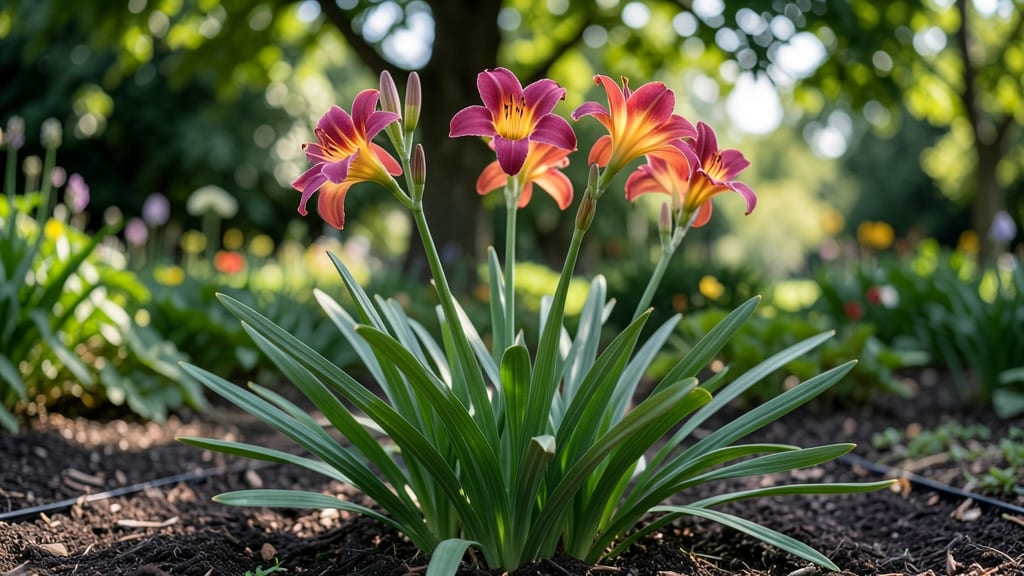
Daylilies do bloom all summer in many varieties, offering continuous flowers from early summer through fall when given proper care, though reblooming types specifically need regular deadheading and balanced fertilization to maintain their flower production.
Daylilies are famous for their long bloom seasons, thanks to their unique botanical structure that stores energy in thick rhizomes. 🌸 Unlike annuals, they can produce multiple flower stalks throughout the growing season, especially when you remove spent blooms to encourage new growth.
The key difference lies in variety selection—some types bloom just once in spring, while others (like Stella de Oro) keep producing flowers from June until frost if you maintain them properly.
For gardeners in warmer climates, this means near year-round color with minimal effort, though colder regions may see a natural slowdown in late fall. I've found that combining reblooming types with early-season varieties creates a staggered bloom effect, ensuring your garden never looks bare.
The trade-off? Rebloomers demand more attention—regular watering, occasional feeding, and deadheading spent flowers to redirect energy into new blooms.
💡 In This Article
- How Daylily Blooming Cycles Work
- Top Reblooming Daylily Varieties for Year-Long Color
How daylily blooming cycles work
The secret behind daylilies' extended bloom seasons lies in their unique rhizome system, which acts like a natural energy reserve. Unlike annuals, these perennials store carbohydrates in thick, fleshy roots during the growing season, allowing them to produce multiple flower stalks when conditions are right.
This energy storage explains why some varieties can rebloom 3-5 times per season—each new bloom cycle draws from these stored reserves rather than relying solely on current photosynthesis.
Temperature plays a crucial role in triggering blooms. Daylilies typically need 60-80°F daytime temperatures to initiate flowering, with cooler nights (50-60°F) helping them set buds.
What most gardeners don't realize is that extreme heat above 90°F can actually halt blooming temporarily, as the plant focuses on survival rather than reproduction.
This is why late summer blooms often taper off in hot climates unless you provide afternoon shade or consistent watering to maintain optimal growing conditions. 🌡️
The difference between single-bloom and reblooming varieties comes down to genetics and energy allocation. Single-bloomers (like Pardon Me) produce one spectacular flush of flowers in spring, then focus their energy on root growth.
Rebloomers, however, have been selectively bred to prioritize continuous flower production by maintaining a balance between root reserves and above-ground growth. This means they'll keep sending up new scapes (flower stalks) as long as you remove spent blooms to redirect energy.
Light exposure also affects bloom duration. Daylilies thrive in full sun (6+ hours daily), but they can tolerate partial shade, which may reduce bloom quantity but extend the season in hot climates.
The key is finding that sweet spot where the plant gets enough light for energy production but isn't stressed by excessive heat. In my experience, varieties like Happy Returns perform exceptionally well in USDA Zones 5-9, producing blooms from June until first frost with proper care.
Watering strategy makes a surprising difference too. While daylilies are drought-tolerant once established, consistent moisture during bloom periods (especially in dry climates) can significantly extend flowering.
The rhizomes need about 1-1.5 inches of water per week during active growth, but overwatering can lead to fewer blooms as the plant focuses on leaf production. Mulching with 2-3 inches of organic matter helps maintain even soil moisture while protecting roots from temperature fluctuations.
What most gardeners overlook is the importance of balanced fertilization. A 10-10-10 or 5-10-5 formula applied in early spring and mid-summer provides the right nutrients for continuous blooming without encouraging excessive foliage growth.
The nitrogen in these blends supports leaf production, while phosphorus and potassium promote flower development. I've found that organic options like composted manure work particularly well, as they release nutrients gradually throughout the season.