
Blooming
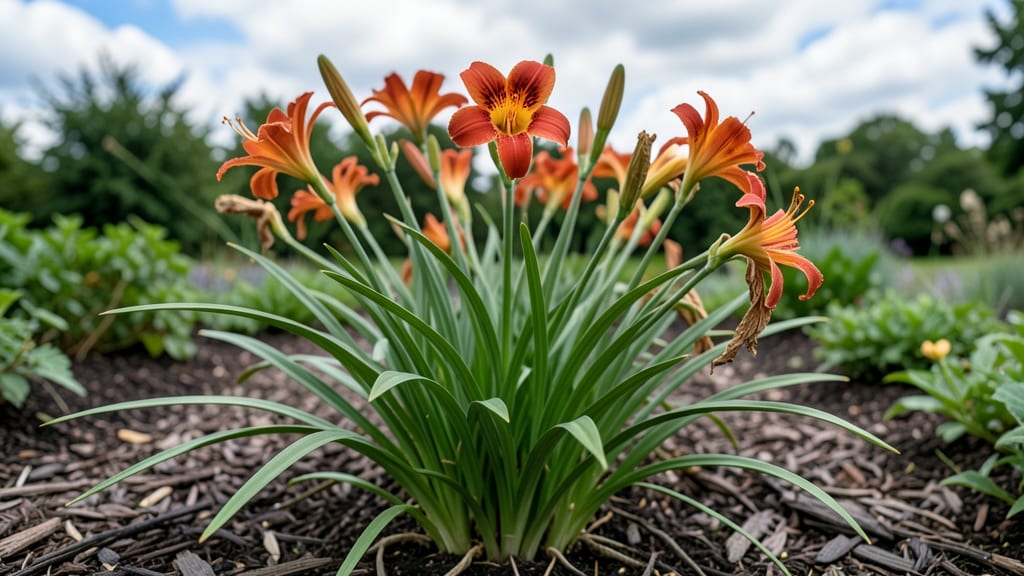
Yes, daylilies do bloom more than once when grown as reblooming varieties, offering multiple flower cycles per season with consistent care, proper sunlight exposure, and well-maintained soil. Late-summer or fall reblooms are common with the right cultivar selection and maintenance practices.
This reblooming behavior isn't magic—it's science. 🌸 Most daylilies naturally bloom once per season, but specific reblooming cultivars (like 'Stella de Oro' or 'Happy Returns') have been bred to break dormancy and produce new flower stalks after their initial bloom.
The key factors are daylight hours, soil fertility, and strategic pruning to encourage regrowth. Unlike single-blooming types, these varieties can keep producing flowers for months with the right conditions.
What sets reblooming daylilies apart is their ability to respond to environmental cues. When planted in full sun with well-draining soil, they'll often produce a second flush of blooms after a mid-season rest period.
I've found that regular deadheading (removing spent blooms) and a light application of balanced fertilizer in early summer can significantly extend their flowering window.
💡 In This Article
- How Reblooming Daylily Varieties Work
- Best Reblooming Daylily Cultivars and Growing Tips
How reblooming daylily varieties work
Most daylilies follow a natural one-bloom-per-season cycle triggered by temperature shifts and daylight hours. However, reblooming varieties like 'Stella de Oro' or 'Happy Returns' have been selectively bred to override this dormancy pattern.
These cultivars contain genetic traits that allow them to produce new flower scapes after their initial bloom, typically in late summer or fall. The process begins when the plant senses longer daylight hours in spring, which stimulates growth and the first bloom cycle.
After this initial flush, proper care can encourage a second growth spurt when days begin shortening again.
The key mechanism involves photoperiod sensitivity—how plants respond to light duration. Reblooming daylilies have a modified photoperiod response that lets them "reset" their internal clock after the first bloom. This is why they need full sun exposure (6-8 hours daily) to maintain energy production through photosynthesis.
Without sufficient light, the plant can't generate enough carbohydrates to support multiple bloom cycles. I've observed that varieties like 'Pardon Me' often produce their second bloom when average daytime temperatures drop to 75-80°F—cooler than the peak summer heat that might stress single-blooming types.
Soil fertility plays a crucial role too. Reblooming daylilies require nutrient-rich, well-draining soil with a pH between 6.0-7.0 for optimal performance. A balanced fertilizer (10-10-10) applied in early summer provides the phosphorus and potassium needed for flower production.
The roots must also stay moist but not waterlogged—consistent moisture at the 2-inch soil depth prevents stress that could halt regrowth. What most gardeners miss is that reblooming varieties often need less water than their single-blooming counterparts once established, as their deeper root systems make them more drought-tolerant.
Pruning techniques also influence reblooming success. After the first bloom cycle, I recommend removing only the spent flower stalks (never the entire foliage) to allow the plant to redirect energy.
This practice, called deadheading, encourages the plant to produce new scapes from lower nodes rather than wasting resources on seed development. Some gardeners mistakenly cut back all foliage after the first bloom, which can trigger dormancy and prevent reblooming.
The goal is to maintain at least 60% of the plant's leaf surface to keep photosynthesis active.
Temperature thresholds matter too. Reblooming varieties typically need at least 100 days of temperatures above 50°F to complete their growth cycle. In cooler climates (USDA zones 4-5), gardeners often use mulch (3-4 inches of straw or wood chips) to insulate roots during winter, which helps jumpstart spring growth.
The mulch breaks down slowly, providing a slow-release nutrient boost that supports early-season regrowth. Without this protection, the plant may enter dormancy too early, preventing the second bloom cycle.
Here's what's actually happening at the cellular level: Reblooming daylilies maintain meristematic tissue (growth cells) in their roots throughout the season. When conditions are favorable, these cells differentiate into new flower buds.
Single-blooming varieties, in contrast, direct most of their energy into seed production after their first bloom, making reblooming impossible. The difference is like comparing a marathon runner (rebloomer) to a sprinter (single-bloomer)—one is built for endurance, while the other focuses on a single burst of energy.