
Blooming
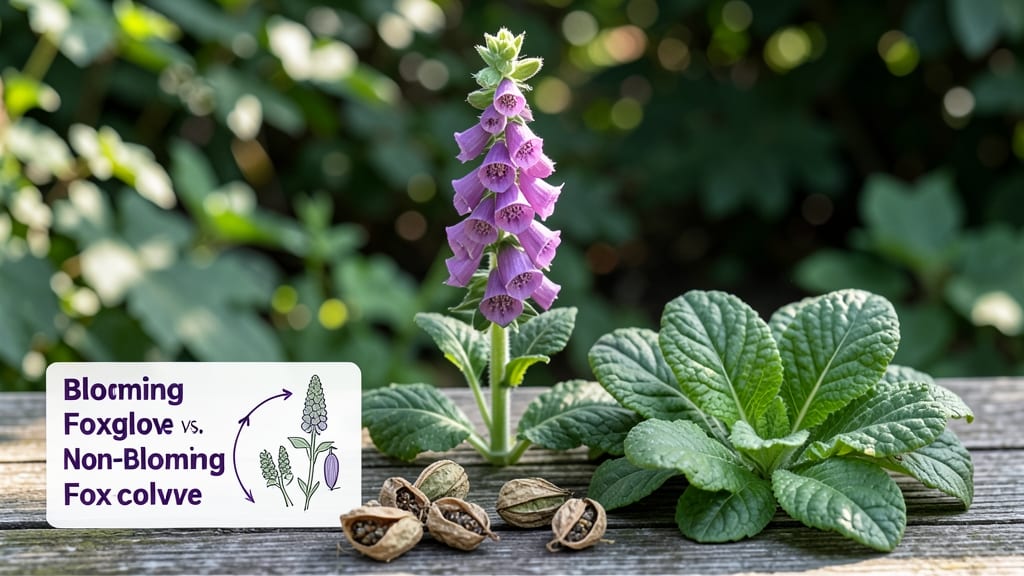
Foxgloves bloom every year—but only if you know their secret. 🌿 These striking plants are biennials in most climates, meaning they take two years to complete their life cycle, but with the right care, they’ll reward you with tall spires of blooms for years.
The confusion comes from how gardeners treat them: neglect them, and you’ll get one glorious year of flowers followed by nothing. But nurture them, and they’ll surprise you with reliable blooming for seasons. The key is mimicking their natural behavior.
Foxgloves thrive in partial shade and moist, well-drained soil, but they’re surprisingly low-maintenance once established. They store energy in their roots, so deadheading spent blooms (but leaving the seed pods) encourages more flowers the next year. In warmer climates, they may even act like perennials, blooming annually without fail.
What you’ll end up with is a clump of foxgloves that returns year after year, their bell-shaped flowers drawing hummingbirds and adding drama to your garden. The first year might be modest, but by year three, they’ll be taller, fuller, and more prolific than you expected.
Here’s the game-changer: divide mature clumps every 3-4 years to keep them vigorous. This simple step prevents decline and ensures you always have fresh, blooming stems. Whether you’re a first-time grower or a seasoned gardener, foxgloves are worth the patience—they’ll repay you with years of effortless beauty.
📚 In This Guide
- What you need
- Instructions
- Tips and common mistakes
- Wrapping up and next steps
What you need
- ● Foxglove Seeds: Choose high-quality, organic seeds (e.g., Digitalis purpurea for classic purple blooms). Aim for 10–20 seeds per plant if starting from scratch.
- ● Well-draining soil: A mix of 50% garden soil, 30% compost, and 20% perlite/sand (1–2 bags of each). Foxgloves thrive in slightly acidic to neutral pH (6.0–7.0).
- ● Sunlight: A spot with partial shade (4–6 hours of morning sun) or dappled sunlight (critical for preventing leaf scorch).
- ● Watering can or hose: With a gentle spray nozzle to avoid disturbing seedlings.
- ● Fertilizer: A balanced, slow-release granular fertilizer (10-10-10) (1–2 lbs per 100 sq ft) applied once in early spring.
- ● Garden trowel or transplanting spade (for digging and relocating seedlings).
- ● Pruning shears (to deadhead spent blooms and encourage reblooming).
- ● Garden gloves (foxglove leaves contain cardiac glycosides—wear gloves to avoid skin irritation!).
- ○ Mulch (optional but recommended): 2–3 inches of shredded bark or straw to retain moisture and suppress weeds.
- ● 🌡️ Temperature: Foxgloves prefer cool climates (USDA Zones 3–8). Avoid planting in scorching heat.
- ● ✨ Biennial Hack: If you want annual blooms, sow seeds in late summer/early fall so they establish roots before winter.
- ● 🎯 Deadheading: Snip off spent flower spikes after blooming to redirect energy to next year’s growth.
How to ensure foxgloves bloom year after year
Here's the truth about foxgloves—and how to coax those iconic spikes into returning season after season.
🌱 Step 1: Understand Foxglove's Natural Growth Cycle
Foxgloves (Digitalis) are biennials, meaning they complete their life cycle in two years. In their first year, they focus on building roots and foliage, storing energy for next season's bloom. The second year, they produce those signature bell-shaped flowers before dying back. But with the right care, they'll self-seed prolifically, creating a perennial display over time.
I always remind gardeners: don't dig up foxgloves after their first bloom. The seed pods that follow contain hundreds of tiny seeds, each capable of sprouting new plants. Let nature handle the succession—your garden will thank you with clusters of plants blooming at different stages.
☀️ Step 2: Plant in Ideal Conditions for Longevity
Foxgloves thrive in partial shade to full sun (morning light with afternoon shade works best in hot climates). They prefer well-draining soil with a slightly alkaline pH—amend heavy clay with compost and coarse sand to prevent root rot. I plant mine in moist but not soggy soil, mimicking their native woodland edges.
Choose a spot with protection from strong winds—foxgloves have delicate stems that can snap easily. If your garden is windy, plant them near a hedge or fence. The key is consistent moisture without waterlogging; once established, they're surprisingly drought-tolerant but bloom best with steady water.
🌿 Step 3: Support First-Year Growth for Future Blooms
First-year foxgloves need rich soil and regular watering to develop strong root systems. I fertilize lightly with a balanced 10-10-10 formula at planting and again in early spring, but avoid heavy feeding—foxgloves prefer lean conditions. The goal is lush foliage, not rapid growth, which can weaken the plant.
Watch for yellowing leaves—this often signals overwatering or poor drainage. Foxgloves are tough, but stressed first-year plants may not store enough energy for blooms. Let the soil dry slightly between waterings once roots establish (about 1-2 inches deep). You'll know they're happy when leaves stay deep green and stems grow sturdy.
✂️ Step 4: Deadhead and Protect Seed Pods
After foxgloves bloom, do not cut back the flower spikes unless they're unsightly. Those seed pods are your future! Let them mature and dry on the plant—birds may eat some seeds, but enough will drop to create new volunteers. I mark the spots where they fall so I can thin seedlings next spring.
If you prefer tidier beds, cut back brown flower stalks after seeds disperse (usually by late summer). Leave the basal rosette of leaves intact—it's the energy factory for next year's blooms. Avoid cutting into the crown, as foxgloves don't regrow from cut stems.
🌱 Step 5: Thin Seedlings for Stronger Plants
Foxglove seedlings appear in late spring or early summer, often in dense clusters. Thin them to 6-12 inches apart—crowded plants compete for nutrients and produce weak stems. I use small scissors to snip extras at soil level, leaving the strongest, most vigorous seedlings.
New plants may take 2 years to bloom, but they'll naturalize beautifully. For quicker results, transplant a few seedlings to new spots each year. Foxgloves spread slowly but reliably, creating long-lived colonies that return year after year with minimal effort.
Tips & tricks for perfect foxglove blooms
Here's what nobody tells you about making foxgloves return reliably year after year.
First-Year Foundation: The secret to multi-year blooms starts in that first year. I've seen gardeners rush to cut back foliage after planting, but foxgloves need that entire season to build robust root systems. Focus on keeping soil consistently moist (about 1-2 inches deep) and avoid heavy fertilization—think of it as creating a storage battery for next year's flowers. The deeper those roots go, the more resilient your plants will be against drought and pests.
Sunlight Strategy: While foxgloves tolerate partial shade, I've found the sweet spot is morning sun with afternoon shade in hotter climates. This prevents the stems from becoming leggy while maintaining vibrant foliage. If your garden gets intense afternoon sun, consider planting near a north-facing wall or under deciduous trees that provide summer shade. Trust me on this—the right light balance makes all the difference in stem strength and bloom quantity.
Seed Pod Preservation: This is where most gardeners go wrong. Those dried seed pods aren't just decorative—they're your insurance policy for next season. I've seen beautiful foxgloves cut back immediately after blooming, only to wonder why they never returned. Let those pods mature completely on the plant (they'll turn brown and papery), then either leave them in place to self-seed or collect seeds for controlled planting. The key is patience—rushing this step means missing out on natural propagation.
Thinning Technique: When those seedlings appear in late spring, resist the urge to thin aggressively. Focus on leaving the strongest, most vigorous plants spaced 6-12 inches apart. I use clean scissors to snip extras at soil level rather than pulling, which can disturb remaining roots. This spacing prevents competition and gives each plant room to develop sturdy stems for next year's blooms. The result? Healthier plants that bloom more reliably each season.
Pro Tips for Do Foxgloves Bloom Every Year
- Here's what nobody tells you about making foxgloves return reliably year after year.
- First-Year Foundation: The secret to multi-year blooms starts in that first year.
- Sunlight Strategy: While foxgloves tolerate partial shade, I've found the sweet spot is morning sun with afternoon shade in hotter climates.
Frequently asked questions
Got questions about foxgloves and their blooming habits?
You’re not alone! Here are some of the most common queries—and the answers you need to keep your foxgloves thriving.
Do foxgloves bloom every year, or do they die after flowering?
Foxgloves are biennials, meaning they typically bloom in their second year before dying. However, some varieties may rebloom if given ideal conditions (like consistent moisture and partial shade). If you want yearly flowers, deadhead spent blooms or plant new seeds annually.
How long does it take for foxgloves to bloom after planting?
If you plant seeds, expect blooms in their second year (around 12–18 months). For established plants, they’ll usually flower in late spring to early summer. Patience is key—foxgloves aren’t fast growers!
Why aren’t my foxgloves blooming this year?
Several factors can delay blooms: overcrowding, too much sun, or poor soil. Check for pests (like slugs) and ensure they’re in partial shade with well-draining soil. If they’re not blooming after two years, they may need replacing.
Can I grow foxgloves as annuals for guaranteed yearly flowers?
Yes! Treat them like annuals by planting fresh seeds or young plants each spring. This ensures vibrant blooms yearly, though biennial foxgloves often produce taller, hardier spikes. Just be prepared to replant—foxgloves don’t self-seed reliably.
Are foxgloves toxic if they don’t bloom?
Yes, all parts of foxgloves are toxic—even if they’re not flowering. The plant contains digitalis, which can cause heart issues in pets and humans. Keep them away from children and animals, regardless of their blooming status.
Wrapping up and next steps
So, do foxgloves bloom every year? The answer isn’t a simple yes or no—it depends on their growing conditions and care!
While foxgloves are biennials by nature, they can act like perennials with the right love and patience. 🌸 With proper soil, water, and a little protection from harsh winters, you can enjoy their stunning blooms year after year.
Ready to give it a try? Start by planting seeds or bulbs in well-draining soil and keep an eye on their needs. Before you know it, your garden will be a haven for these elegant flowers—and maybe even a few friendly bees! 🐝