
Blooming
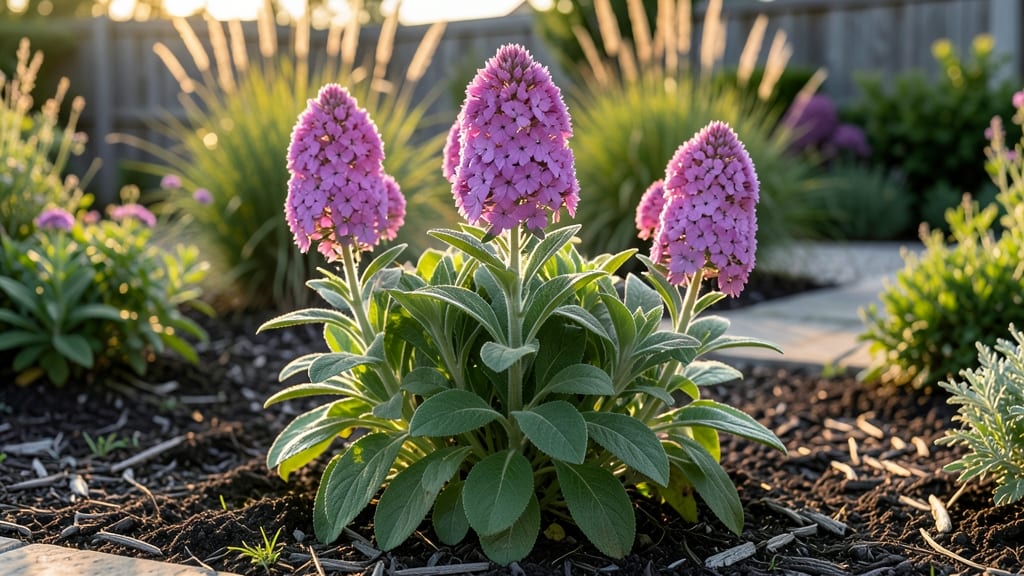
Garden phlox do not bloom all summer—most varieties flower from mid-to-late summer until frost, but heat and drought stress can shorten their bloom time, especially in southern climates. Late-summer varieties like 'David' or 'Lipstick' perform best with consistent moisture and afternoon shade.
Garden phlox are summer stars, but their blooming season depends on variety and climate. 🌸 Most types start flowering in late June or July and continue until fall frost, but extreme heat—especially above 90°F—can cause buds to drop prematurely.
Southern gardeners often see shorter bloom periods unless they choose heat-tolerant cultivars like 'David' or provide afternoon shade. The key is consistent moisture: phlox roots need 1-2 inches of water per week during dry spells to keep flowers vibrant longer.
What sets phlox apart is their resilience when cared for properly. Unlike some summer flowers that wilt under stress, phlox can rebound with the right conditions. I've found that mulching around the base helps retain soil moisture while keeping roots cool.
For high-heat zones, staggered planting of early-, mid-, and late-summer varieties ensures continuous color from June through October.
💡 In This Article
- Heat Tolerance in Different Garden Phlox Varieties
- Extending Phlox Blooms with Proper Care
Heat tolerance in different garden phlox varieties
Garden phlox actually fall into three main categories based on their heat tolerance: tall garden phlox, border phlox, and woodland phlox. Tall varieties like 'David' or 'Lipstick' are the most heat-resistant, thanks to their deep root systems that can access moisture 12-18 inches below the surface.
These roots help them withstand temperatures up to 95°F when properly hydrated, though their blooms may still fade faster in prolonged 100°F+ heat waves. 🌡️
Border phlox varieties, such as 'Colorado' or 'Blue Dawn,' strike a balance—they bloom earlier but handle midday heat better than woodland types. Their root systems extend 8-12 inches deep, making them more drought-tolerant than woodland phlox but less resilient than tall varieties.
Humidity levels below 40% can cause these types to wilt more quickly, as their thinner stems struggle to transport water efficiently in dry air.
The real science lies in their stomatal behavior. Phlox leaves have tiny pores called stomata that open to absorb CO₂ and release water vapor. When temperatures exceed 85°F, these stomata close to prevent dehydration, which halts photosynthesis and causes buds to drop.
Tall phlox varieties have larger, more efficient stomata that can remain open longer in heat, while woodland phlox (like 'David's Double') close prematurely, leading to shorter bloom times.
Another critical factor is their native habitat. Tall phlox originated in prairie regions where summer temperatures regularly reach 90°F+, while woodland phlox evolved in shaded forest edges with cooler, more humid conditions.
This explains why 'Lipstick' phlox thrives in full sun but may struggle in 100°F+ heat without afternoon shade, while 'Blue Dawn' performs better in partial shade where temperatures stay 10-15°F cooler than full sun.
Consider this comparison: In a 95°F climate, 'David' phlox might bloom for 8-10 weeks with proper care, while 'Blue Dawn' could only last 5-6 weeks without afternoon shade. The difference comes down to root depth, stomatal efficiency, and how quickly each variety can recover from heat stress. 💧
For gardeners in hot climates, choosing the right variety is half the battle. Tall phlox like 'Starfire' or 'David' are your best bets for long bloom times, while border types like 'Colorado' offer earlier color but need more consistent moisture.
Woodland phlox should be reserved for partial shade or cooler microclimates to avoid bud drop entirely.