
Blooming
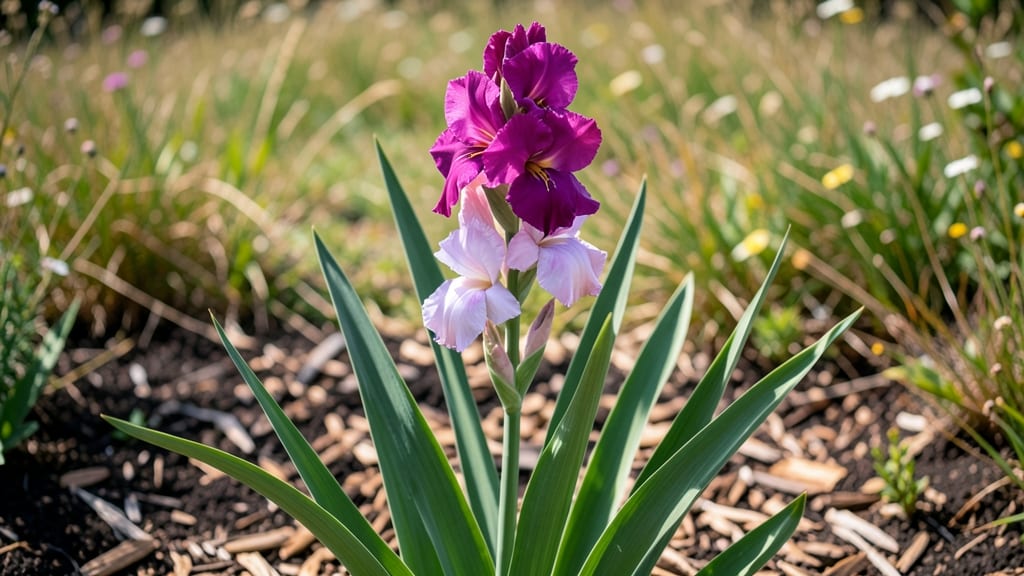
Gladiolus don't bloom all summer continuously; most varieties flower for 4-6 weeks during their peak season, which typically falls in late spring to early fall. Climate and variety determine exact timing, and even with care, they won't produce flowers year-round.
Gladiolus are seasonal showstoppers, not perpetual bloomers. Their flowering cycle is genetically tied to daylight length and temperature shifts—think of them as summer's limited-edition performers. 🌸 In warmer climates like Zones 8-10, you might see two bloom cycles (spring and fall), while cooler regions get just one.
The key is understanding your local growing conditions: tropical varieties may push boundaries, but even they need rest periods between blooms.
What's fascinating is how gladiolus "save their energy" for that concentrated bloom window. Their corms (bulb-like roots) store nutrients during dormant periods, then redirect everything to flower production when conditions align.
This explains why forcing year-round blooms through greenhouse growing often weakens plants—it's like asking a marathon runner to sprint continuously without recovery.
💡 In This Article
- Gladiolus Blooming Seasons by Climate Zone
- Extending Gladiolus Blooms with Care Tips
Gladiolus blooming seasons by climate Zone
Gladiolus flowering cycles are primarily controlled by two factors: photoperiod (daylight length) and temperature, both of which vary dramatically by climate zone.
In temperate regions like Zones 5-7, most varieties bloom for 4-6 weeks during late spring to early summer when daylight exceeds 14 hours and soil temperatures reach 60-70°F.
This aligns with their natural growth rhythm—think of it as their biological "go" signal after winter dormancy. 🌞 Tropical varieties in Zones 9-11, however, often experience two bloom cycles: spring and fall, thanks to more consistent warm temperatures and stable daylight.
The key difference lies in how these plants interpret seasonal cues. Temperate gladiolus need a period of cool dormancy (below 50°F) to reset their flowering mechanism, while tropical varieties can bloom more frequently because they don't experience the same temperature extremes.
For example, 'Green Star' gladiolus—a popular tropical variety—may produce flowers in May-June and again in September-October in Florida, whereas 'Picasso' (a temperate favorite) would only bloom once in June-July in New York.
Daylight length triggers the flowering process through a mechanism called photoperiodism. When daylight exceeds 12-14 hours, gladiolus corms (their bulb-like storage organs) receive a hormonal signal to initiate flower bud formation. This is why you'll rarely see gladiolus blooming in winter—even in warm climates, the shorter days suppress flowering.
The exception? Greenhouse-grown gladiolus, which can be forced into bloom year-round using artificial light, but this often results in weaker stems and smaller flowers due to energy depletion. 🌱
Hardiness zones also dictate bloom timing. In Zone 3-4 (like Minnesota), gladiolus typically bloom 2-3 weeks later than in Zone 8 (like California) because cooler spring soils delay corm activation. The 10°F temperature difference between these zones can shift bloom windows by as much as 3-4 weeks.
For instance, a 'White Friendship' gladiolus might flower in late June in Zone 8 but not until early August in Zone 4.
What's often misunderstood is that gladiolus cannot bloom continuously because their energy reserves are finite. Each bloom cycle depletes stored nutrients in the corm, requiring a recovery period.
This is why even with optimal care, you won't see non-stop blooms—nature built them for one spectacular show per season, not a marathon of flowers. The closest you'll get is staggered planting of different varieties to create the illusion of continuous blooms, a technique gardeners call "successive planting."
Consider this comparison: A single gladiolus corm can produce 10-20 flowers in one bloom cycle, but each flower requires significant energy.
After blooming, the corm enters a 6-8 week recovery phase to rebuild reserves, which is why you'll never see the same plant producing flowers again until next season without intervention. This biological constraint is what makes gladiolus such prized seasonal performers rather than year-round garden staples. 🌿