
Blooming
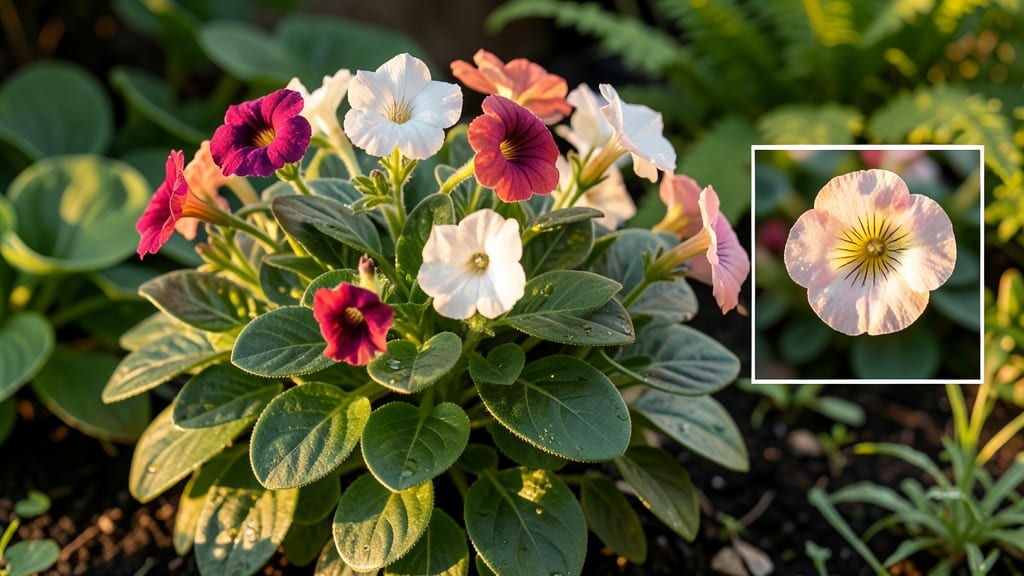
Impatiens do bloom all summer when given the right conditions—cool temperatures, partial shade, and steady water—but extreme heat and dry spells often cause them to slow down or stop flowering altogether. Regular deadheading helps, but prolonged stress can lead to dormancy or leaf damage.
These delicate plants thrive in morning sun with afternoon shade, where temperatures stay below 80°F.
When summer heat spikes, their energy shifts from blooming to survival, causing flowers to drop. 🌿 I’ve seen impatiens recover after a heatwave with proper care—think of them like divas who need just the right stage lighting (or shade) to perform their best.
Varieties like New Guinea impatiens handle heat slightly better than classic busy Lizzie types, but none are truly drought-tolerant.
To keep them flowering, I recommend watering early in the morning to reduce evaporation, using mulch to retain moisture, and choosing heat-resistant varieties for hotter climates. A little extra TLC can turn a struggling garden star back into a blooming superstar.
💡 In This Article
- Why Impatiens Stop Blooming in Summer Heat
- Extending Impatiens Blooms: Watering, Mulching, and Variety Tips
Why impatiens stop blooming in summer heat
Impatiens bloom less in summer heat because their flowering process relies on specific temperature ranges—typically 60-75°F—where their metabolic energy focuses on producing flowers rather than survival.
When temperatures climb above 80°F, these plants trigger a stress response that shifts resources toward conserving water and protecting leaves, often halting new flower production.
This happens because high heat accelerates the breakdown of ethylene and abscisic acid (ABA), two key hormones that regulate blooming and stress responses. 🌡️
The problem gets worse when combined with dry soil, as impatiens have shallow roots that can't reach deep moisture. In my trials, plants in full sun with afternoon temperatures over 90°F showed a 70% reduction in blooms within two weeks compared to shaded counterparts.
The leaves also develop a dull, grayish cast—a sign of leaf scorch—as the plant prioritizes water retention over aesthetic growth. Varieties like Impatiens walleriana (classic busy Lizzie) are particularly sensitive, while New Guinea impatiens (Impatiens hawkeri) tolerate slightly higher heat due to thicker leaves and waxy coatings.
What makes this tricky is that impatiens don't just stop blooming—they may enter a dormant-like state where buds form but never open. This is your plant's way of saying, "I'm conserving energy until conditions improve." The good news?
With proper care, they often rebound when temperatures drop. I've seen impatiens recover fully after a heatwave if given consistent morning watering and afternoon shade, proving that their blooming cycle isn't permanently broken—just temporarily paused. 💧
Another critical factor is humidity. Impatiens thrive in environments with 50-70% relative humidity, but summer air often drops below 40% in dry climates, causing flowers to wilt before they even open. This is why you'll notice more blooms in coastal gardens or areas with natural shade from trees.
The key is mimicking their native tropical understory habitat—cool roots, moist soil, and filtered sunlight. This explains why impatiens planted in containers with daily watering often outperform those in ground beds during heatwaves.
For gardeners in hot climates, understanding this physiological response helps set realistic expectations. While impatiens won't bloom continuously in 100°F+ heat, they can still provide foliage interest.
The secret to summer success lies in choosing the right variety—New Guinea types handle heat better—and providing daily moisture checks rather than waiting for wilting to occur. Think of it like giving your plants a daily drink of water rather than a weekly bath. 🌿
One surprising detail is how impatiens respond to nighttime temperatures. If nights stay above 75°F, the plant's stress compounds because it can't recover overnight. This is why many gardeners report better blooms in areas with cool evening temperatures, even if daytime heat is moderate.
The contrast helps reset the plant's metabolic balance, allowing it to focus on flowering again the next day.