
Blooming
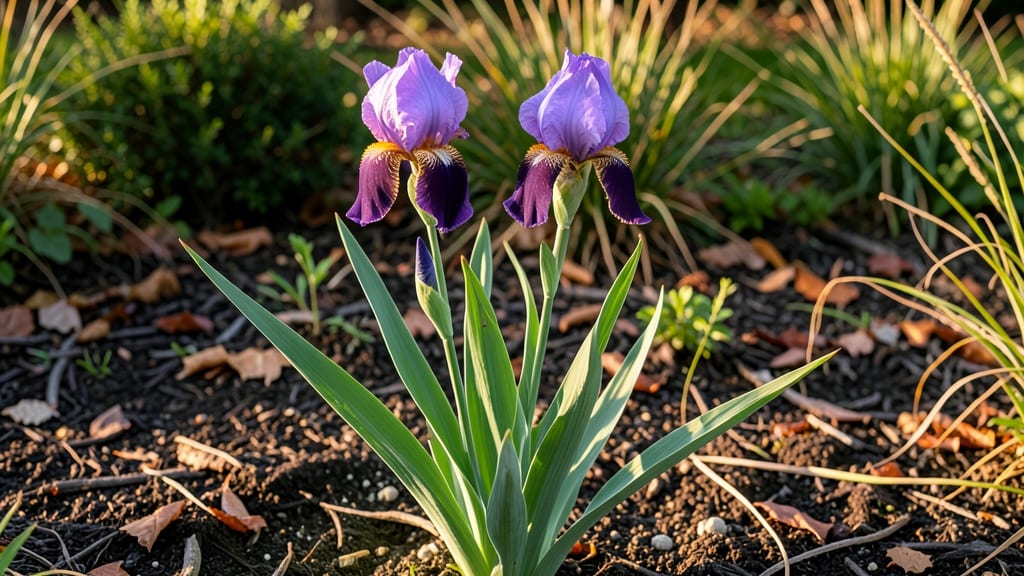
Iris don't bloom all summer—most varieties produce one spectacular spring display, while reblooming types like Louisiana or Siberian iris may yield occasional late-summer flowers when given the right care and seasonal cues.
Most iris varieties follow a strict seasonal rhythm because they store energy in their rhizomes during dormancy. 🌸 This biological cycle means spring is their prime blooming window, though some hybrids—like the Louisiana iris—can push out a second round if you adjust their environment.
The key is mimicking their natural triggers: consistent moisture, balanced nutrients, and strategic pruning after the first flush.
For reblooming types, timing matters most. I've found that dividing mature clumps every 3-4 years and fertilizing with a low-nitrogen formula in early summer helps extend their season. 🌿 Even then, don't expect a full second bloom—think of it as bonus flowers rather than a continuous display.
The trade-off? Healthier plants that reward you with bigger, more vibrant blooms next spring.
💡 In This Article
- Why Most Iris Bloom Only Once Per Year
- How to Encourage Late-Summer Iris Blooms
Why most iris bloom only once per year
Iris blooming cycles are governed by their rhizomes—thick, underground stems that act like natural batteries.
These rhizomes store carbohydrates and nutrients during dormancy, which they convert into flower buds when temperatures rise in spring. 🌸 Most iris varieties, like the classic bearded iris, allocate nearly all their stored energy to a single, dramatic spring bloom because this maximizes reproductive success in their native habitats.
Think of it as nature's way of ensuring a "big bang" of flowers when conditions are ideal for pollinators.
The timing is all about temperature cues. Iris typically require 60-80 days of cool weather (below 60°F) to break dormancy and initiate flower formation. This cold period resets their biological clock, similar to how fruit trees need winter chilling.
Once spring arrives, the rhizomes prioritize flower production over foliage growth, which is why you'll see lush leaves first—this is the plant's way of building energy reserves for next year's blooms.
Reblooming iris types, like Louisiana or Siberian varieties, have slightly different energy strategies. These hybrids can produce a second flush because they've evolved to handle warmer climates with more consistent moisture.
Louisiana iris, for example, store energy in their roots rather than rhizomes, allowing them to tap into reserves later in the season. However, even these types won't bloom continuously—they still need a 4-6 week rest period between blooming cycles to recharge.
Light exposure plays a surprising role too. Iris are day-neutral plants, meaning they don't rely on daylight length to trigger blooming. Instead, they respond to temperature fluctuations and soil moisture levels.
In regions with hot summers, the rhizomes may enter a temporary dormancy to conserve water, which halts flower production until conditions improve. This is why you might see sporadic blooms in late summer—the plant is essentially "testing" whether conditions are stable enough to continue flowering.
Here's what most gardeners don't realize: the size of your iris blooms is directly tied to how well you've cared for the plant during its dormancy period. A rhizome that's been properly fed and watered in late summer (when it's storing energy) will produce larger, more abundant flowers next spring.
This is why dividing clumps every 3-5 years is crucial—it prevents overcrowding and ensures each rhizome has enough energy to support both foliage and flowers.
Consider this comparison: A bearded iris might produce 50-100 flowers in its spring display, while a Louisiana iris could yield 20-40 flowers in two separate flushes. The trade-off is that reblooming types often have slightly smaller individual blooms because they're splitting their energy between two flowering periods. 💫