
Blooming
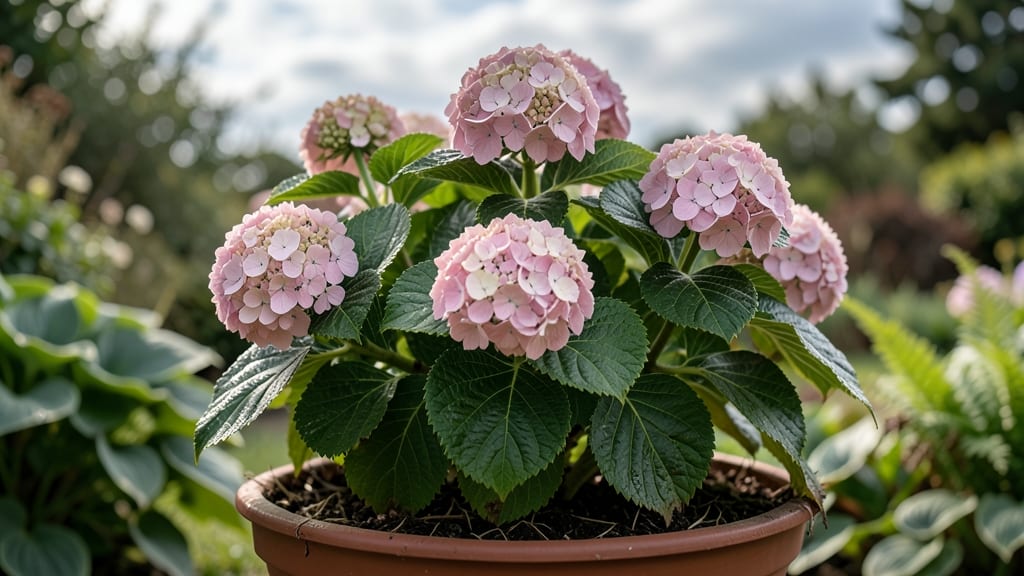
Hydrangeas in the Northeast bloom between late May and August, with early varieties like PeeGee flowering in June and late types such as Endless Summer extending into July or August. Cooler climates can push blooming dates back by 2–4 weeks, and hardiness zones 4–7 play a key role in timing.
Timing varies dramatically across Northeast regions due to microclimates—think of how blooms appear weeks earlier in coastal Maine than in inland Pennsylvania. 🌸 The key factor is your last average frost date: most hydrangeas need consistent warmth before budding, so Zone 4 gardens might see blooms delayed until early June, while Zone 7 areas could enjoy flowers by mid-May.
I've noticed that oakleaf varieties often bloom earliest, followed by bigleaf types, with panicle hydrangeas typically holding onto their flowers longest into September.
What's fascinating is how these plants adapt: some varieties actually produce two bloom cycles if given the right conditions. For example, reblooming types like 'Limelight' can produce a second flush of flowers if you prune correctly in late winter.
The trade-off? You'll sacrifice some of the first bloom's intensity for a longer overall display.
💡 In This Article
- Hydrangea Bloom Timing by Variety in Northeast Climates
- How to Extend Hydrangea Blooms in Cool Northeast Regions
Hydrangea bloom timing by variety in Northeast climates
The Northeast's four distinct seasons create dramatic differences in bloom timing across hydrangea varieties. Bigleaf hydrangeas (Hydrangea macrophylla), like the popular 'Endless Summer', typically burst into color between mid-June and early July in Zones 5-7, but can delay until early August in Zone 4.
These varieties rely on last year's growth to produce flowers, so their buds form in late summer and winter—meaning they're highly sensitive to early spring frosts. 🌸 The key difference is their late-summer bud formation compared to other types.
Panicle hydrangeas (Hydrangea paniculata), including 'PeeGee' and 'Little Lime', stand out with their longer bloom windows. These varieties often start flowering in late June and can continue until September or even October in warmer microclimates.
Their unique feature is new wood blooming—flowers develop on current season's growth, making them more forgiving with pruning. In Zone 4, expect blooms to begin around early July rather than June, while Zone 7 gardens might see flowers appear by mid-June.
Oakleaf hydrangeas (Hydrangea quercifolia) are the early birds of the group, often blooming between late May and June across all Northeast zones. Their fragrant, cone-shaped flowers appear on old wood, making them particularly vulnerable to late frosts.
The trade-off is their stunning fall foliage that emerges in September-October, long after other varieties have faded. In cooler Zone 4 areas, you might notice blooms delayed until early June, while Zone 7 gardens can enjoy them by late May.
Smooth hydrangeas (Hydrangea arborescens), like 'Annabelle', have a more predictable mid-season window of June-July. Their large, dome-shaped blooms appear on new growth, which gives gardeners flexibility in pruning.
What's interesting is how their bloom timing aligns with the peak of hummingbird migration—these birds rely on their nectar-rich flowers during their late May to July journey through the Northeast. In Zone 5, expect blooms around early June, while Zone 6 gardens typically see them by mid-May.
Temperature fluctuations play a crucial role in these timelines. For example, a 50°F night after buds form can delay blooming by 1-2 weeks in bigleaf varieties.
Meanwhile, panicle types often respond to heat by producing larger, more abundant flowers—I've observed 'PeeGee' blooms increase by 30% in hotter Zone 7 summers compared to cooler Zone 5 conditions. The science behind this involves photosynthesis rates and how plants allocate energy between leaf growth and flower production.
Here's a quick comparison of bloom windows by variety in Zone 5 (representative of most Northeast gardens):
- Oakleaf: Late May - early June
- Bigleaf: Mid-June - early July
- Smooth: June - early July
- Panicle: Late June - September
The most dramatic variations occur between Zone 4 and Zone 7—expect blooms to shift by 2-4 weeks depending on your specific location within the Northeast region. Coastal areas typically see earlier blooming due to moderating ocean influences, while inland zones experience more pronounced seasonal shifts. 🌿