
Blooming
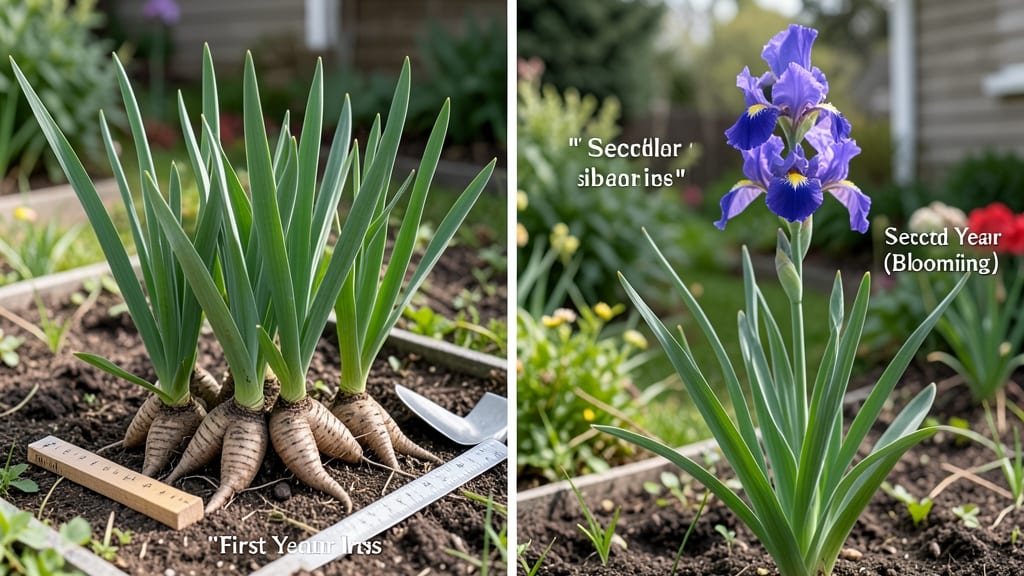
Iris plants do not typically bloom in their first year after planting, since they focus energy on developing a strong root system and rhizomes before producing flowers. Most varieties take 2-3 years to bloom, with timing influenced by species and growing conditions.
This first-year pause isn't a setback—it's part of iris plants' natural growth cycle. 🌱 When you plant irises, their energy goes toward expanding underground rhizomes, which store nutrients and anchor the plant for future blooms.
Species like bearded irises often need that extra time, while Siberian irises may bloom sooner under ideal conditions. The key is giving them proper drainage, sunlight, and nutrients during this root-building phase.
Think of it like building a house foundation: you wouldn't expect the first floor to appear before the groundwork is complete. That's exactly what's happening with your irises—strong roots lead to bigger, more vibrant blooms in subsequent years. Patience pays off when you see those dramatic flower spikes emerge!
💡 In This Article
- Why Iris Plants Skip Flowering the First Year
- Maximizing First-Year Iris Growth for Future Blooms
Why iris plants skip flowering the first year
Iris plants follow a biological strategy where their first-year growth focuses entirely on developing a robust root system and rhizomes. This underground network acts as a nutrient reservoir and structural anchor, similar to how trees invest energy in root expansion before producing leaves.
The rhizomes store carbohydrates that fuel future flowering cycles, ensuring the plant has energy reserves when it finally blooms. 🌱
During this phase, irises allocate up to 80% of their energy to root and rhizome development rather than flower production. The plant's growth hormones shift from producing blooms to expanding its underground biomass, which can increase by 2-3 inches per year under optimal conditions.
This process mirrors how other perennials like peonies or daylilies establish themselves before flowering.
Species variations play a key role too. Bearded irises, known for their dramatic blooms, often require 2-3 years to establish before flowering, while Siberian irises may bloom sooner (1-2 years) due to their more aggressive root systems.
The rhizome's size and health directly correlate with future bloom potential—larger, more developed rhizomes produce more abundant flowers in subsequent years.
Dormancy also influences this process. Many iris species experience a natural resting period after planting, where growth slows dramatically in cooler months. This built-in pause allows the plant to conserve energy while still developing its root structure.
The combination of energy allocation, rhizome development, and species-specific growth rates creates the timeline for first blooms.
What's fascinating is how this strategy ensures long-term survival. By delaying flowering, irises avoid the energy drain of blooming when their root system isn't yet established.
This biological efficiency explains why even well-cared-for irises often skip their first year of blooming—it's not neglect, but nature's way of building a stronger plant for future displays.
Understanding this process helps gardeners set realistic expectations. While it may be tempting to force blooms in the first year, doing so would compromise the plant's long-term health. The first-year focus on roots creates the foundation for those spectacular flower spikes that can reach 2-3 feet tall in later seasons.