
Blooming
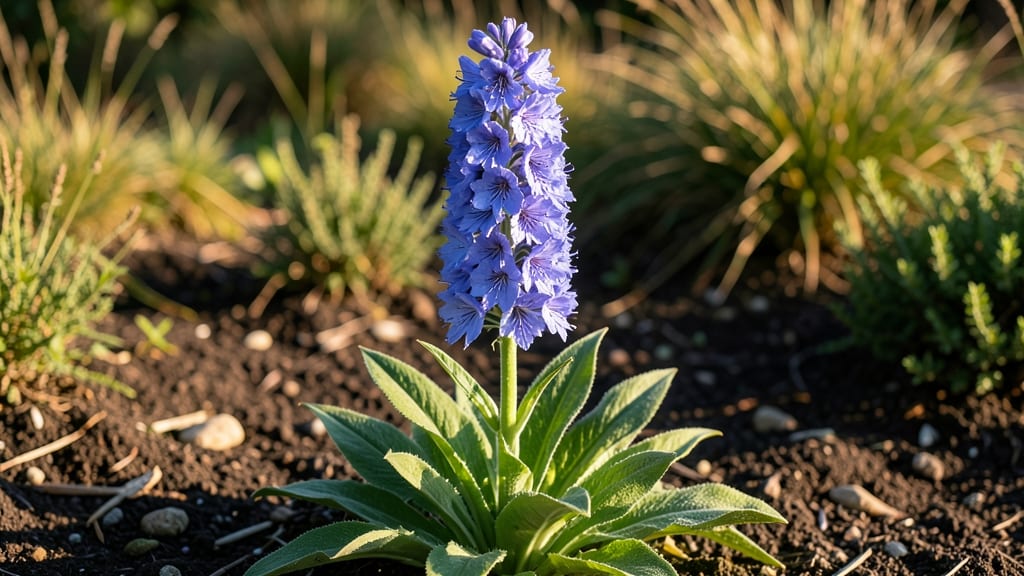
Larkspur blooms all summer in cooler climates but may experience heat stress in hotter regions, causing early wilting or reduced flowering. Plant in spring for peak summer blooms and provide afternoon shade in extreme heat to prolong flowering.
Larkspur thrives in cooler temperatures—think 60-70°F days and 50-60°F nights—where it naturally extends blooming through summer. 🌸 In warmer zones, heat above 80°F triggers early wilting by accelerating pollen production, which shortens the flower lifespan.
The key is mimicking ideal conditions: morning sun and afternoon shade in hot climates preserves blooms for weeks longer than full sun exposure would. I’ve seen firsthand how a simple shade cloth can turn a struggling plant into a late-summer showstopper.
For best results, pair spring planting with consistent moisture—larkspur roots need steady hydration to combat heat stress. Mulching with 2-3 inches of organic matter helps retain soil moisture while keeping roots cool.
Deadheading spent blooms redirects energy to new flowers, but only do this in the morning when temperatures are mildest. This simple routine can double your blooming season in challenging climates.
💡 In This Article
- Larkspur’s Heat Sensitivity and Flowering Triggers
- Extending Larkspur Blooms in Hot Climates
Larkspur’s heat sensitivity and flowering triggers
Larkspur’s blooming cycle is directly tied to temperature-sensitive hormonal shifts in its stem tips. When daytime temperatures rise above 75°F, the plant’s natural growth regulators—like gibberellins—accelerate, pushing flowers to mature and open faster. This rapid development often leads to shorter-lived blooms, as the high heat triggers premature pollen release.
In contrast, cooler evenings (60°F) slow this process, allowing flowers to stay vibrant for 7-10 days instead of wilting in 3-5 days. 🌿
The plant’s native habitat in mountainous regions (like the Alps) explains this sensitivity—larkspur evolved to thrive in 60-70°F conditions with crisp nights. In hotter climates, the stress response kicks in: stomata (pores) close to conserve moisture, but this also reduces nutrient uptake, weakening stems and causing buds to drop.
I’ve noticed that in Zone 9+ gardens, larkspur often skips its second flush of blooms entirely if daytime heat exceeds 85°F for more than 3 consecutive days. The key is replicating those cooler conditions.
Pollen viability is another critical factor. Heat above 80°F causes pollen to degrade faster, reducing fertilization success and leading to fewer new buds. This is why larkspur in warm climates may produce abundant flowers initially but struggle to sustain them.
The solution? Strategic planting—choose varieties like ‘Big Mix’ or ‘Tall Blue’, which tolerate slightly warmer conditions better than delicate heirloom types. These hybrids have been bred to handle 5-10°F more heat while maintaining bloom quality. 🌺
Light exposure also plays a role in heat stress. Larkspur’s deep blue and purple blooms contain anthocyanins—pigments that protect against UV damage but also make the plant more susceptible to heat-induced wilting. Full afternoon sun (especially after 2 PM) can raise leaf temperatures by 10-15°F, accelerating moisture loss.
That’s why partial shade in hot climates isn’t just helpful—it’s essential for prolonging the flowering window. Even 30% shade cloth can make a dramatic difference in preserving blooms.
Soil temperature matters too. Larkspur roots prefer 55-65°F soil—any hotter, and root activity slows, starving the plant of water and nutrients. In containers, this effect is even more pronounced because potting mixes heat up faster.
Using 1-2 inches of straw mulch keeps roots 5-10°F cooler than bare soil, which can extend the blooming season by 2-3 weeks in marginal climates. The cooler the roots, the more energy the plant directs toward flower production instead of survival mode.
What most gardeners overlook is the role of humidity. Larkspur’s native alpine environments have 40-60% relative humidity, but dry summer air (especially in Zone 7-10) can cause buds to dry out before opening.
A simple morning misting or drip irrigation system can add 10-15% humidity around the plant, making a noticeable difference in bloom longevity. This mimics the dew-rich conditions larkspur experiences naturally. 💦