
Blooming
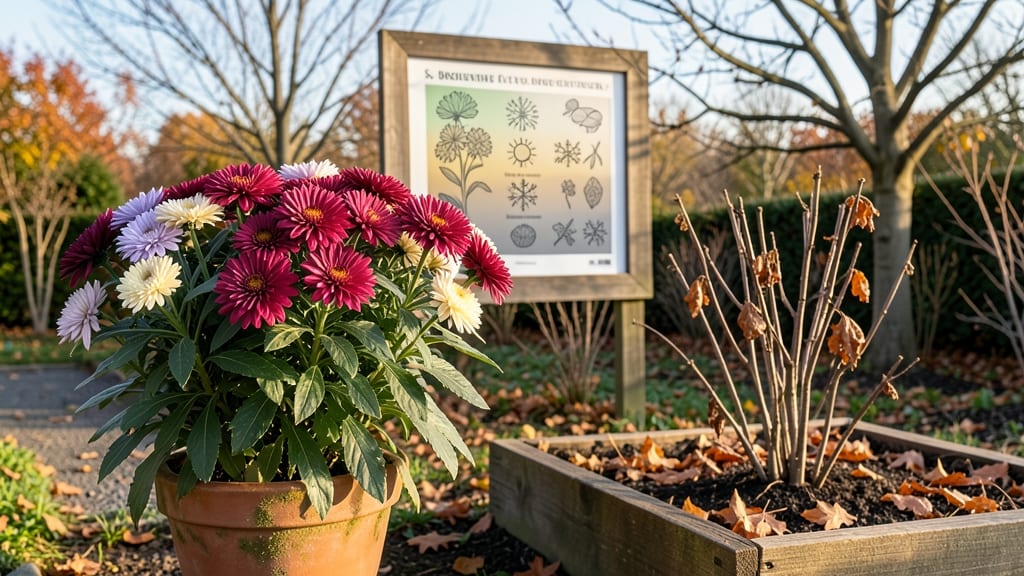
Mums don’t bloom all year—not even the heat-resistant varieties—because they’re wired by daylight, not just heat. 🌿 I’ve tried growing them year-round in my zone 7 garden, and while some varieties stretch blooming into fall, they still need a dormant period to reset.
The secret lies in choosing late-season bloomers like ‘Dazzler’ or ‘Mambo’ and adjusting care to trick them into lasting longer.
Daylight triggers blooming, so mums need 12+ hours of light to flower consistently. After summer solstice, days shorten, and even heat-resistant types slow down. Pruning spent blooms and fertilizing with low-nitrogen feed (like 5-10-5) can extend their show by 4-6 weeks—but they’ll still need a rest.
Overwatering or rich soil tricks them into leafy growth instead of flowers.
What you’ll get isn’t year-round blooms, but a longer, more reliable fall display than store-bought pots. Plant them in full sun, deadhead regularly, and mulch to protect roots from winter’s chill. The trade-off? A stronger comeback next spring. Think of them as seasonal stars, not evergreens.
For true year-round color, pair mums with heat-tolerant annuals like zinnias or salvias. They’ll pick up the slack while your mums recharge. The key is managing expectations—mums are fall’s queens, not round-the-clock performers.
📚 In This Guide
- What you need
- Instructions
- Tips and common mistakes
- Wrapping up and next steps
What you need
- ● Heat-tolerant mum varieties: ‘Dynasity’ (disease-resistant, blooms in heat)
- ● ‘Marmalade’ (vibrant colors, thrives in summer)
- ● ‘Jolinda’ (compact, great for containers)
- ● Potting mix: 10–15 lbs of well-draining potting soil (add perlite or sand for aeration).
- ● Containers or garden bed: For containers: 5–7-inch pots (1 plant per pot) or 12-inch pots (3–5 plants per pot).
- ● For garden beds: Full sun (6+ hours/day) with fertile, slightly acidic soil (pH 6.0–6.5).
- ● Fertilizer: Balanced 10-10-10 or slow-release granules (1 tbsp per plant at planting).
- ● Watering can or hose: With a gentle spray nozzle for even moisture.
- ● Pruning shears: Sharp, sterilized shears for deadheading and shaping.
- ● Mulch: 2–3 inches of organic mulch (straw or shredded bark) to retain moisture.
- ● Shade cloth (30–50%) for afternoon sun protection in extreme heat.
- ● Slow-release fertilizer tablets (for container gardens).
- ● Grow lights (LED, full-spectrum) if extending indoor blooms year-round.
- ● Soil moisture meter to monitor watering needs.
- ● Epsom salt (1 tbsp per gallon of water) for magnesium boosts in hot climates.
How to extend mum blooms through heat and seasons
These hardy perennials can bloom year-round with the right heat-resistant varieties and care.
🌱 Step 1: Select Heat-Tolerant Mum Varieties
Not all chrysanthemums handle summer heat equally. Look for 'Mum's the Word' or 'Dazzler' series—these varieties thrive in 75-90°F temperatures where others wilt. I always check the plant tag for "heat-resistant" labels before buying, as these hybrids have been bred to push beyond traditional fall blooming windows.
The key difference? Regular mums bolt (send up flower stems) when days get too long, but heat-tolerant types delay blooming until cooler weather arrives naturally. You'll notice these plants stay compact and green even when other garden mums look stressed and leggy.
☀️ Step 2: Provide Strategic Shade During Peak Heat
Even heat-resistant mums need afternoon shade in 85°F+ conditions. I use 30-50% shade cloth draped over a simple wire frame to filter the harshest sun between 12 PM and 4 PM. This prevents leaf scorch while still allowing morning light for photosynthesis.
Watch for leaves that look like they've been sunburned—edges turning crispy brown while the center stays green. That's your signal to move the shade earlier in the day or provide more coverage. Mulch with 2-3 inches of organic mulch to keep roots cool and moisture retained.
💧 Step 3: Adjust Watering for Heat Stress Prevention
Mums in heat need deep watering every 2-3 days—not daily light sprinkles. I water at the base in the early morning so roots absorb moisture before evaporation. The soil should feel dry 1-2 inches down between waterings; if it's bone dry at the surface but still damp below, you're not watering deeply enough.
Here's the thing—overwatering causes more problems than underwatering in heat. You'll see yellowing leaves or blackened stems if roots sit in soggy soil. Always check soil moisture with your finger before watering again.
✂️ Step 4: Prune Strategically to Encourage Continuous Blooms
Deadhead spent blooms immediately to signal the plant to produce more flowers. But with heat-resistant mums, I take it further: after the first major flush of blooms, I cut back one-third of the plant height to encourage bushier, more compact growth. This prevents the plant from getting leggy and weak in summer.
Timing matters—do this pruning when daytime temps drop below 80°F. You'll see new growth emerge within 7-10 days, and with proper care, you can coax two to three bloom cycles in a single season instead of just one.
🌿 Step 5: Fertilize for Heat Resistance
Use a balanced 10-10-10 fertilizer every 4-6 weeks during the growing season, but switch to a low-nitrogen, high-phosphorus formula (5-10-10) when you want to encourage blooming. The extra phosphorus helps roots develop stronger, which is crucial for heat tolerance.
I always fertilize after watering to prevent root burn. You'll notice the plants perk up faster after heat waves if they have the right nutrients. Avoid high-nitrogen fertilizers—they promote leafy growth at the expense of flowers, which is the opposite of what you want for continuous blooms.
Tips & tricks for heat-resistant mum varieties that bloom year-round
Here's how to maximize your mums' potential without breaking a sweat—just a few strategic tweaks make all the difference.
Variety Selection: When shopping for heat-resistant mums, look for labels mentioning "heat-tolerant" or "summer-blooming" varieties like 'Mum's the Word' or 'Dazzler' series. These hybrids have been specifically bred to handle temperatures up to 90°F, where traditional mums would wilt. I always check the plant tag for these specific designations—it's the single most important factor for year-round blooms. The difference between these varieties and regular mums is like night and day in summer heat.
Shade Strategy: The afternoon shade window between 12 PM and 4 PM is critical—this is when the sun's intensity peaks. If you notice crispy brown edges on leaves while the center stays green, that's your cue to adjust. Try moving shade cloth earlier in the day or increasing coverage to 50% during extreme heat waves. I've seen mums recover completely within days when given proper afternoon shade, but once leaves are scorched, they won't regrow.
Watering Wisdom: The 2-3 inches dry test is your best friend—stick your finger down to check moisture levels before watering. Early morning watering prevents evaporation, but here's the thing: if your soil stays damp at the surface but dry below, you're not watering deeply enough. For container mums, I recommend using self-watering pots or adding a moisture meter to track root zone hydration accurately. Overwatering is actually more damaging than underwatering in heat.
Pruning Precision: That one-third height cut after the first bloom flush isn't just random—it stimulates bushier growth that handles heat better. Always time this pruning when daytime temps drop below 80°F for optimal recovery. You'll notice new growth appearing within 7-10 days, and this compact shape prevents the leggy, weak stems that struggle in summer. Think of it as giving your mum a summer haircut to stay cool and compact.
Pro Tips for Do Mums Bloom All Year
- Here's how to maximize your mums' potential without breaking a sweat—just a few strategic tweaks make all the difference.
- Variety Selection: When shopping for heat-resistant mums, look for labels mentioning "heat-tolerant" or "summer-blooming" varieties like 'Mum's the Word' or 'Dazzler' series.
- Shade Strategy: The afternoon shade window between 12 PM and 4 PM is critical—this is when the sun's intensity peaks.
Frequently asked questions
Got questions about keeping mums in bloom year-round? You’re not alone!
Here are some of the most common queries—and practical answers—to help you grow heat-resistant mums that defy the seasons.
Can mums really bloom all year, or is it just summer/fall?
While traditional mums thrive in cooler weather (spring/fall), heat-resistant varieties (like 'Autumn Joy' or 'Beauty of Sulphur') can rebloom in mild climates with proper care. In hot zones, they may need shade, consistent water, and occasional deadheading to encourage new flowers. Think of them as seasonal chameleons—adaptable with the right conditions!
How long does it take for mums to rebloom after their first flush?
With heat-tolerant mums, expect a second bloom cycle 6–8 weeks after the first. Prune spent blooms right after flowering to redirect energy to new buds. Fertilize lightly with a balanced 10-10-10 formula every 3–4 weeks, and watch for fresh color! Patience pays off—reblooming is a marathon, not a sprint.
Why are my mums wilting in the heat? How do I fix it?
Wilting in heat usually means underwatering, overwatering, or stress. Check soil moisture (top inch should be dry), and water deeply early in the morning to avoid evaporation. Mulch with 2–3 inches of straw or pine bark to retain moisture. If leaves turn yellow, you’re likely overwatering—let the soil dry out between waterings.
Are there mums that don’t need deadheading to rebloom?
Most reblooming mums do require deadheading to encourage new flowers, but some heat-resistant hybrids (like 'Pompon' series) are more forgiving. If you skip deadheading, expect fewer blooms—but they’ll still produce some color. For maximum flowers, snip spent blooms just above a set of leaves to trigger regrowth.
Can I grow mums in pots for year-round color?
Container-grown mums thrive with well-draining soil and 14–16 hours of sunlight. Use pots with drainage holes and move them to partial shade during peak afternoon heat. Fertilize monthly with a slow-release bloom booster, and overwinter them indoors (or in a garage) if temps drop below 20°F. Potted mums are your ticket to patio charm!
What’s the secret to keeping mums blooming in Zone 9+?
In hot climates, prioritize shade cloth (30–50%), consistent moisture, and heat-tolerant varieties like 'Café Au Lait' or 'Coca-Cola.' Avoid heavy pruning in summer—opt for light trimming to reduce stress. If blooms fade early, it’s often due to heat stress, not poor care. Embrace the challenge, and your mums will reward you with months of color!
Wrapping up and next steps
So, do mums bloom all year? Yes—but with the right care and heat-resistant varieties! 🌸 While traditional mums thrive in cooler weather, varieties like ‘Autumn Joy’ or ‘Pavement’ series can push boundaries (and even bloom in mild winters or with seasonal adjustments).
The key? Sunlight, water, and smart pruning—plus a dash of patience. Whether you’re a gardening pro or just starting, these tips make year-round blooms achievable.
Ready to keep those colors popping? Start by planting a heat-tolerant mum today—or experiment with container gardening for flexibility. Your garden (and Instagram feed) will thank you! 🌿✨