
Blooming
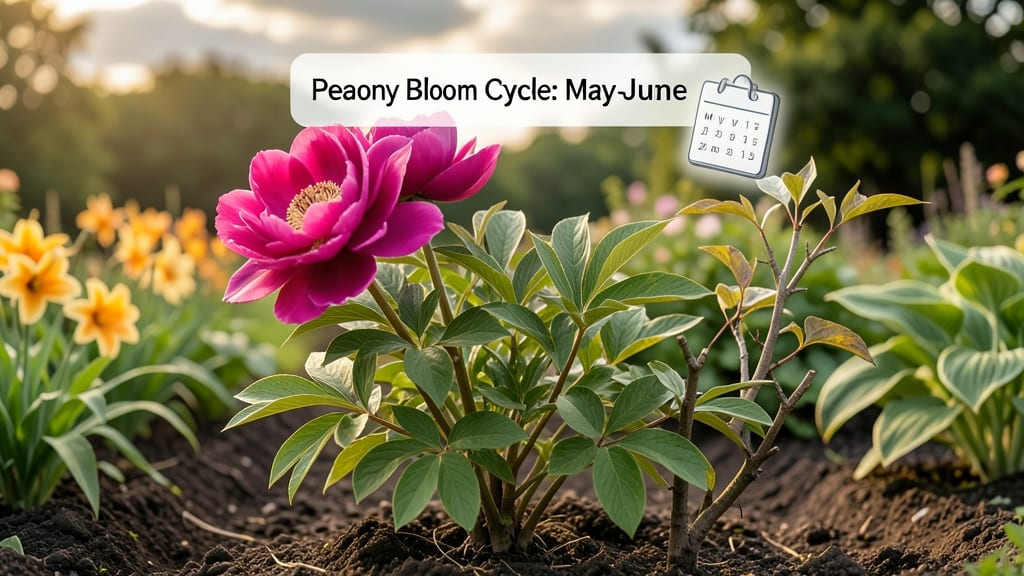
Peonies do not bloom all summer—most varieties flower just once in late spring, while reblooming types may produce a second, smaller flush in mid-to-late summer. Bloom duration depends on the cultivar and growing conditions, not continuous flowering.
Peonies follow a natural seasonal rhythm that prioritizes one spectacular spring display over extended blooming. 🌸 Most varieties enter dormancy after their initial bloom, conserving energy for next year's flowers, while reblooming types require specific care to encourage a second round.
The key difference lies in their genetic programming—some peonies simply aren't wired for continuous flowering, though proper pruning and nutrition can help coax extra blooms from the right cultivars.
What many gardeners don't realize is that even reblooming peonies produce smaller second flushes because they've already expended significant energy on their first bloom. This explains why late-summer flowers often look less lush and last shorter than spring blooms.
The good news? With the right variety selection and consistent aftercare, you can enjoy peony flowers for nearly half the year instead of just a few weeks.
💡 In This Article
- Peony Bloom Cycles: Why Most Flower Once
- How to Encourage Reblooming in Peonies
Peony bloom cycles: why most flower once
Peonies are hardwired for a single spectacular bloom because their energy budget is carefully allocated by nature. After their primary spring display—which can last 7-10 days per flower—most varieties enter a period of dormancy to rebuild their root systems.
This isn't laziness; it's survival strategy. Peonies store energy in their thick, fleshy roots (called tubers) during summer and fall, preparing for next year's growth. 🌱 The process mirrors how deciduous trees shed leaves to conserve resources during winter.
Daylight hours trigger this cycle: peonies need 12-14 hours of daylight to initiate blooming, which occurs naturally in spring. By summer, days are too long, and the plant shifts into maintenance mode.
Even reblooming varieties follow this pattern—they just have enough stored energy to produce a second, smaller flush (typically 3-5 days per flower) after a rest period. The trade-off? These late blooms often have fewer petals and shorter stems because the plant prioritizes root development over floral display.
Temperature plays a crucial role too. Peonies require chilling hours (300-500 hours below 45°F) to break dormancy and initiate flowering. Without proper winter chilling, they may produce weak or no blooms at all.
This explains why peonies struggle in warm climates—they can't satisfy their chilling requirements. 🌡️ The same principle applies to reblooming: after the first flush, the plant needs a brief period of cooler temperatures (around 60-70°F) to trigger the second bloom.
What most gardeners overlook is how peony blooms develop underground months before they appear. Buds form in the previous summer and autumn, then remain dormant until spring's warming temperatures stimulate growth.
This 12-18 month development cycle means each bloom represents years of energy investment—hardly a plant you'd expect to waste on continuous flowering! The few reblooming varieties that succeed do so by carefully balancing energy between root growth and flower production.
Consider the 'Sarah Bernhardt' variety—a classic rebloomer—that produces its first flush in May with 10-15 blooms per stem, then a second flush in July with 3-5 blooms per stem.
The difference isn't just quantity but quality: summer blooms often measure 3-4 inches across compared to spring's 5-7 inches. This demonstrates how peonies allocate their energy resources during each growth phase.
The botanical term for this cycle is "monocarpic" behavior—though peonies aren't truly monocarpic (they live multiple years), they exhibit similar energy allocation patterns.
Think of it like a marathon runner who saves their best performance for the first race of the season, then gives a respectable second effort later in the year. 🏃♂️