
Blooming
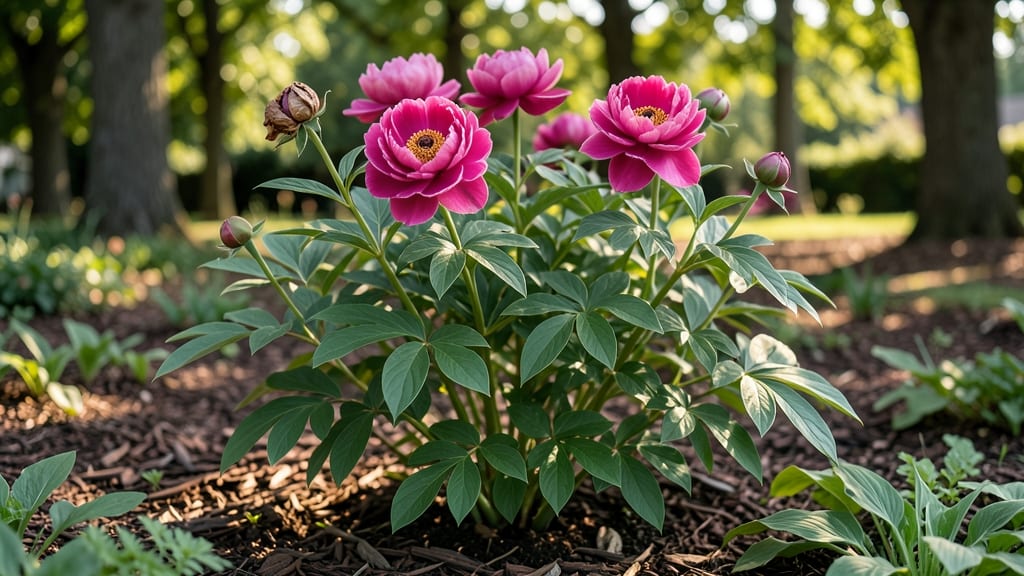
Peonies do only bloom once a year, producing vibrant flowers in late spring or early summer, though their blooming period depends on climate, variety, and plant maturity. Some late-blooming cultivars may produce a second flush under ideal conditions.
Peonies follow a natural annual flowering cycle triggered by winter chilling requirements—most varieties need 60-90 days below 40°F to set buds properly. 🌸 While the majority bloom just once, certain hybrid types (like 'Sarah Bernhardt' or 'Bowl of Beauty') can surprise you with a second, smaller flush in late summer if given perfect growing conditions.
The key difference lies in their genetic makeup and how they respond to daylight changes after their primary bloom.
Understanding this cycle helps gardeners plan their landscapes—peonies often steal the show in spring, but their lifespan as cut flowers is short (just 3-5 days in a vase).
To maximize their impact, I recommend planting them where they’ll get morning sun and afternoon shade, which preserves moisture and extends bloom duration. Proper soil drainage also prevents bud rot, a common issue that can cut blooms short.
💡 In This Article
- Peony Blooming Cycle Explained: Science Behind Annual Flowering
- Maximizing Peony Blooms: Growing Tips for Longer, Healthier Flowering Seasons
Peony blooming cycle explained: science behind annual flowering
The annual bloom cycle of peonies begins with their unique dormancy requirements. These herbaceous perennials enter a deep winter rest period, where they develop flower buds in response to 60-90 days of temperatures below 40°F.
This chilling period is critical—without it, buds fail to form properly, resulting in sparse or no blooms.
The process involves hormonal changes where the plant's apical meristems (growth points) convert to floral buds rather than leaf buds, triggered by a protein called FT (FLOWERING LOCUS T) that moves from leaves to buds under cold conditions. 🌱
Once buds form, they remain dormant until spring when rising temperatures and increasing daylight (photoperiodism) stimulate growth. Most peony varieties bloom for just 7-10 days per season, with peak flowering occurring between late April and early June in temperate climates.
The timing varies by region—northern gardens may see blooms 2-3 weeks later than southern ones due to temperature differences. What's fascinating is how the plant's internal clock (circadian rhythm) coordinates this timing with environmental cues, ensuring blooms appear when pollinators are most active.
While traditional herbaceous peonies bloom once, some modern hybrids like 'Sarah Bernhardt' or 'Bowl of Beauty' can produce a second, smaller flush in late summer if given consistent moisture and afternoon shade.
This second bloom occurs because these cultivars have been bred to have interrupted dormancy—their buds develop continuously rather than all at once. The trade-off? These second blooms are typically 30-50% smaller than the spring display and may require more maintenance to appear reliably. 🌸
Temperature extremes can dramatically affect blooming patterns. A late frost (28°F or below) after buds swell can kill emerging flowers, while summer heatwaves (>90°F) may cause buds to dry out before opening.
The plant's root system, which can extend 2-3 feet deep, stores nutrients that fuel blooming—so well-drained soil is crucial. Without proper moisture, the plant may divert energy to root growth instead of flower production, resulting in fewer blooms.
Here's what most gardeners don't realize: peony buds actually form the previous summer, not spring. This means that the blooms you see in May were determined by growing conditions from the prior year's July-September period.
This delayed response explains why peonies can take 2-3 years to reach full bloom after planting—patience is key! The plant's energy allocation between roots, leaves, and flowers creates this multi-year establishment phase. 💫
For those curious about repeat-blooming peonies, the key is selecting tree peony cultivars (Paeonia suffruticosa) which naturally bloom twice per year. These woody-stemmed varieties have different chilling requirements and can produce 3-5 blooms per season under ideal conditions.
The trade-off? They require more winter protection in colder climates and take 5-7 years to mature compared to 2-3 years for herbaceous types.