
Blooming
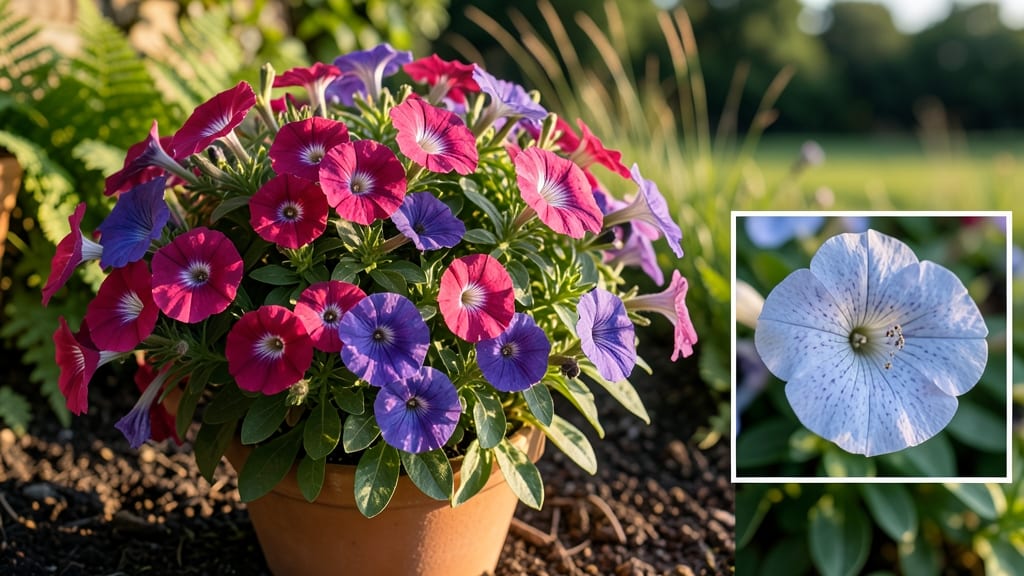
Petunias do bloom all summer under ideal conditions—typically from early June through frost—but their peak depends on variety, care, and climate. Deadheading spent blooms and proper watering extend their flowering season significantly.
Petunias thrive in summer heat when given the right conditions, but their blooming window varies dramatically by type. 🌸 Grandiflora varieties often produce showy, long-lasting flowers from June to October, while trailing petunias may bloom even longer if pruned regularly.
The key is maintaining consistent moisture and removing faded blooms daily to encourage new growth.
What many gardeners overlook is how temperature swings affect petunias. In hot, dry climates, they may need afternoon shade to prevent leaf scorch, while cooler regions might see shorter blooming seasons. I've found that mulching helps retain soil moisture, which directly impacts flower production—especially during summer's peak heat.
💡 In This Article
- Petunia Flowering Lifespan by Variety and Climate
- Pro Tips to Maximize Petunia Summer Blooms
Petunia flowering lifespan by variety and climate
Petunias aren't one-size-fits-all when it comes to blooming duration. Grandiflora varieties—like 'Mystic Purple' or 'Blue Velvet'—typically produce their largest, most dramatic flowers from early June through September, with some extending to frost if conditions are right.
These showstopper blooms often last 7-10 days per flower before fading, but their compact growth habit makes them ideal for containers where you can control their environment more precisely.
The real secret lies in their growth cycles. Multiflora petunias, such as 'Wave' or 'Supertunia,' bloom continuously from June through October because they produce smaller flowers more frequently—sometimes 30-50 flowers per plant weekly.
Trailing varieties like 'Tumbling Waters' or 'Cascadia' can bloom even longer, up to 12 weeks, if given proper support and pruning. The difference comes down to their genetic structure: trailing types have more lateral buds that develop into flowers, while grandiflora varieties focus energy on fewer, larger blooms.
Climate plays a massive role in how long petunias perform. In USDA Zones 9-11, where winters are mild, petunias might bloom nearly year-round with minimal care. But in Zones 5-7, frost usually cuts their season short by October.
Temperature extremes matter too—petunias thrive in 65-75°F daytime temps but can suffer from heat stress above 85°F, which causes buds to drop. In my own garden, I've seen petunias in Arizona's 105°F+ heat struggle unless given afternoon shade.
Sunlight requirements create another layer of complexity. Full sun (6+ hours daily) maximizes blooming, but in hot climates, petunias need 4-6 hours of morning sun with afternoon shade to prevent wilting. The trade-off? Less sunlight means fewer blooms but longer individual flower life.
For example, a grandiflora petunia in full sun might produce 100 flowers per season, while one with partial shade could stretch each bloom's lifespan by 2-3 days.
Regional growing zones also dictate petunia performance. In humid Southeast climates, fungal diseases like powdery mildew can shorten blooming seasons unless you use resistant varieties. Meanwhile, in arid Southwest regions, petunias need daily watering to compensate for evaporative loss.
The key is matching your petunia type to your microclimate—trailing varieties excel in hanging baskets where they get airflow, while grandiflora types shine in garden beds with consistent moisture.
What most gardeners don't realize is how soil temperature affects root activity. Petunias need soil temps above 55°F to flower consistently. In cooler springs, you might see delayed blooming until late May or June.
This is why many gardeners start petunias indoors 8-10 weeks before last frost—giving them a head start on the growing season.