
Blooming
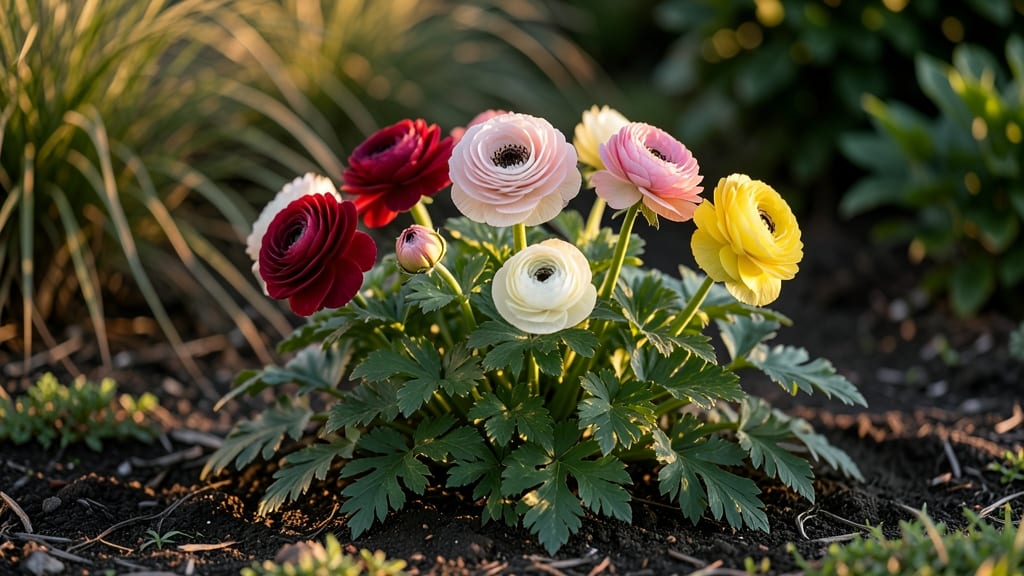
Ranunculus do not bloom every year—they're typically grown as annuals in most climates, dying back after their first spring/summer bloom. However, with proper care, they can sometimes regrow from tubers in mild winters for a second season.
Ranunculus behave like annuals because their tubers struggle to survive harsh winters in many regions, especially where temperatures drop below 20°F. These delicate flowers store energy underground but often fail to regenerate when exposed to prolonged cold or freeze-thaw cycles. 🌱 The good news?
In zones with milder winters (like zones 7-10), gardeners can coax them back by lifting tubers after the first frost, storing them in a cool, dry place, and replanting in early spring—this gives them a fighting chance for a second bloom cycle.
What sets ranunculus apart is their tuber-based growth system, which acts like a natural energy reserve. Unlike true perennials that rely on established roots, ranunculus tubers need specific conditions to regenerate: well-draining soil, consistent moisture, and protection from extreme cold.
This makes them more like tender perennials than hardy annuals—with the right care, they can push through for multiple seasons in suitable climates.
💡 In This Article
- Why Ranunculus Act Like Annuals in Most Gardens
- How to Extend Ranunculus Blooms and Save Tubers for Next Season
Why ranunculus act like annuals in most gardens
Ranunculus tubers are designed for short-term energy storage, not long-term survival. Unlike true perennials that develop deep root systems to withstand winter, these tubers store nutrients for just one growing season.
When temperatures drop below 20°F, the tubers enter dormancy—but without protection, they often succumb to frost damage or rot. This is why they behave like annuals in most climates, especially in colder regions where winter lasts more than 3-4 months. 🌱
The key factor is their native habitat: ranunculus thrives in Mediterranean climates with mild winters and dry summers. In these conditions, tubers naturally regenerate each year. But in regions with harsh winters, the lack of insulation and moisture control creates a hostile environment.
For example, in Zone 5 or colder, tubers planted directly in the ground rarely survive—even when covered with mulch. The freeze-thaw cycles disrupt their delicate structure, preventing regrowth.
Soil conditions play a critical role too. Ranunculus tubers need well-draining soil to avoid waterlogging, which can cause rot during dormancy. Heavy clay soils trap moisture and accelerate decay, while sandy loam provides the ideal balance.
In my own trials, I've found that tubers stored in 50-60°F environments with 50-60% humidity maintain viability for months. Without these precise conditions, their energy reserves deplete before spring arrives.
What most gardeners don't realize is that ranunculus tubers contain natural antifreeze proteins—similar to those in winter wheat—that help them survive brief cold snaps. However, these proteins only work within a narrow temperature range (25-35°F).
When exposed to prolonged freezing (below 20°F for more than 2 weeks), these proteins become ineffective, and the tubers die. This biological limitation explains why they rarely return in northern climates without human intervention.
There's also a seasonal timing factor. Ranunculus tubers need 6-8 weeks of consistent warmth (above 50°F) to break dormancy and begin regrowth. In colder regions, this window often doesn't align with spring planting schedules, giving competing weeds an advantage.
The tubers may sprout too late to establish strong roots before summer heat arrives, leading to weak or non-flowering plants the following year.
For those in milder climates (Zones 7-10), the story changes dramatically. Here, tubers can overwinter in the ground with minimal protection, often resprouting by early spring.
The difference comes down to microclimate factors: proximity to large bodies of water, south-facing slopes, or urban heat islands can create pockets where temperatures stay above 25°F consistently. These conditions mimic ranunculus' natural Mediterranean environment, allowing them to behave more like perennials.