
Blooming
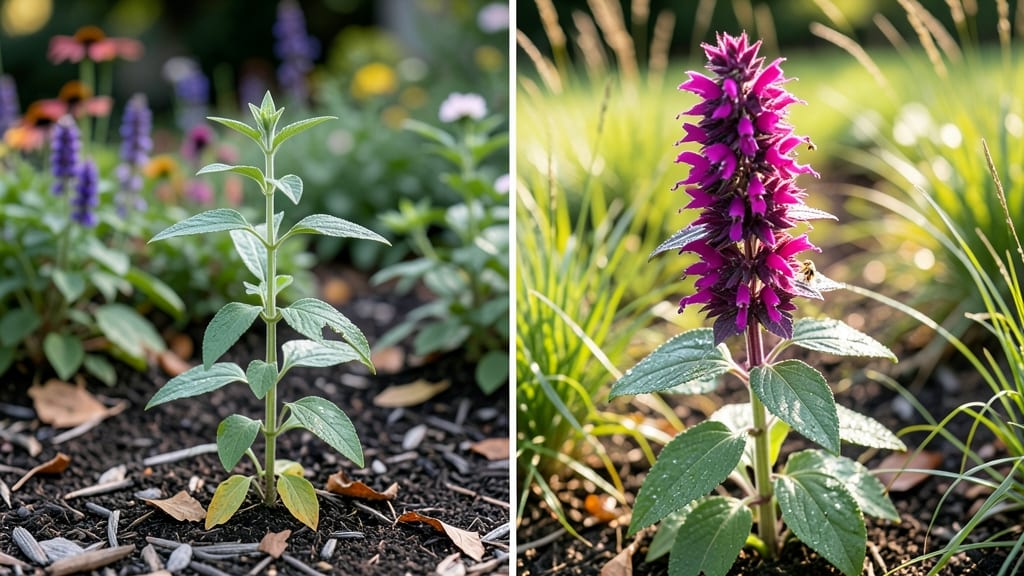
Bee balm does not bloom the first year in most cases, as it prioritizes root and leaf growth instead. With the right conditions—bright sunlight, well-draining soil, and consistent moisture—you might see a few scattered blooms by late summer or the following spring. Proper care in its first year sets the stage for vibrant flowers later.
Bee balm's first-year focus is all about building a strong foundation. 🌱 While it won't produce the showy clusters you see in mature plants, this underground growth phase is crucial for its long-term health.
Think of it like training for a marathon—what happens below ground determines how well it'll perform above in future seasons. I've found that plants grown from cuttings or divisions often bloom slightly earlier than those started from seed, as they already have some established root structure.
What truly accelerates the blooming process is creating ideal growing conditions from day one. Bee balm thrives in full sun (at least 6-8 hours daily) and soil that drains well but stays consistently moist—not soggy.
A light application of balanced fertilizer in early spring can give it the nutrient boost it needs without overwhelming its delicate root system.
The key is patience combined with proactive care—this approach transforms what might seem like a disappointing first year into the perfect setup for spectacular blooms in years two and three.
💡 In This Article
- Why Bee Balm Takes Time to Flower
- Tips to Encourage Early Bee Balm Blooms
Why bee balm takes time to flower
Bee balm (Monarda spp.) follows a biennial-like growth pattern where its first year is all about establishing a robust root system before flowering. This plant allocates most of its energy—up to 70%—toward developing deep, fibrous roots that can access water and nutrients efficiently.
The roots grow aggressively to a depth of 12-18 inches, creating a network that supports the plant's vertical growth in subsequent years. During this phase, you'll notice dense, lance-shaped leaves emerging in a basal rosette pattern, which is the plant's way of maximizing photosynthesis for future energy reserves.
The flowering process is triggered by a combination of environmental factors, primarily day length (photoperiod) and temperature. Bee balm is a short-day plant, meaning it requires 12-14 hours of daylight to initiate bloom formation.
In northern climates, this typically happens in late summer or early fall, while southern growers may see sparse blooms as early as July if conditions are ideal. Temperatures between 65-75°F during the day and 55-65°F at night further stimulate flowering hormones.
Stress factors like poor drainage (leading to root rot) or nutrient deficiencies (particularly phosphorus and potassium) can delay this process by diverting energy away from flower bud development.
Comparing first-year growth to mature plants reveals a striking difference in energy allocation. A two-year-old bee balm plant, for example, will devote only about 30% of its resources to roots while directing 50% toward flower production.
This shift explains why established plants produce those iconic 2-3 inch tall flower spikes in vibrant colors like red, pink, or purple.
The first-year plant's modest 1-2 inch stems with occasional blooms are essentially a "test run" for the plant's reproductive capabilities, ensuring it's ready for full bloom potential in subsequent seasons.
One fascinating aspect of bee balm's growth cycle is its ability to reflower throughout the season if deadheaded regularly. Even first-year plants may produce a second, smaller flush of blooms if you remove spent flowers within 2-3 days of wilting.
This practice prevents the plant from wasting energy on seed production, redirecting it instead toward new growth. However, over-pruning can stress the plant, so it's best to limit deadheading to one-third of the plant's foliage at any given time during the first year.
The plant's response to environmental cues also explains why bee balm grown from seed often blooms later than established divisions or cuttings. Seed-grown plants must first establish both roots and foliage from scratch, while propagated plants already have a head start with pre-developed root systems.
This biological advantage means cuttings may produce 10-15% more blooms in their first flowering season compared to seed-grown counterparts, though both will follow the same fundamental growth pattern.
What most gardeners don't realize is how soil microbial activity plays a role in this process. Bee balm forms beneficial relationships with mycorrhizal fungi in the soil, which help it absorb nutrients more efficiently.
A healthy soil microbiome can accelerate the plant's transition from vegetative to flowering growth by up to 4-6 weeks. This is why amending planting areas with compost or well-aged manure before planting creates such dramatic differences in first-year performance.
Understanding this growth cycle helps explain why bee balm often disappoints first-time growers expecting immediate blooms. The plant's strategy prioritizes long-term survival over short-term spectacle—a lesson in patience that rewards gardeners with 3-5 years of abundant flowering when given proper care. 🌸