
Blooming
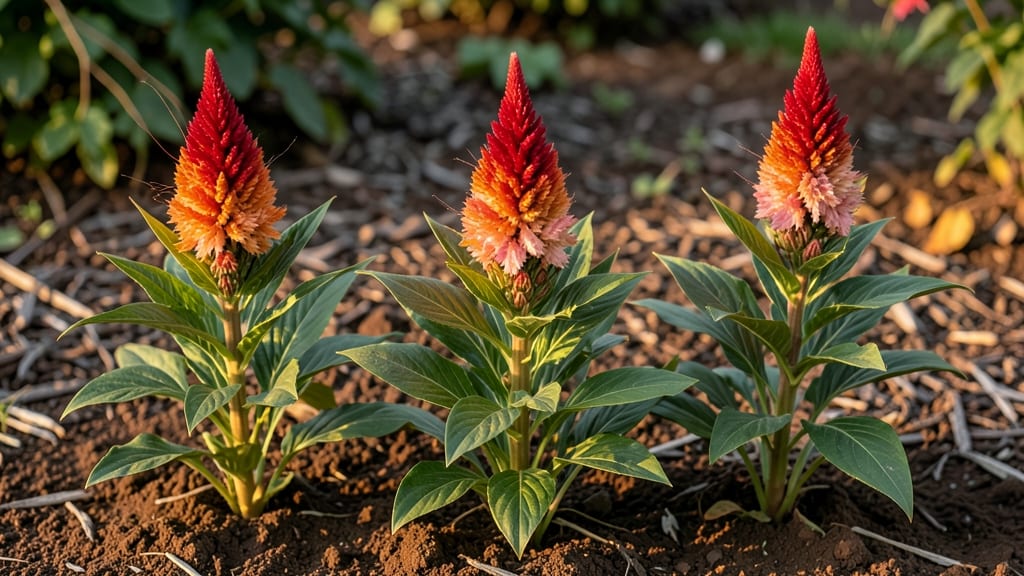
Celosia blooms all summer in reblooming varieties like Celosia argentea ‘Plumosa’ or ‘Cristata,’ while one-time bloomers like Celosia spicata produce flowers in late summer to fall. Deadheading spent blooms extends flowering season for rebloomers only.
Not all celosia varieties keep blooming nonstop—it depends on the plant type.
Reblooming cultivars like Plumosa (feathered varieties) or Cristata (crested types) produce continuous flowers when you remove faded blooms, while spicata types (like Celosia spicata) focus their energy on one big late-season show. 🌸 The key difference lies in their growth patterns: rebloomers prioritize multiple cycles, while seasonal types store energy for a single dramatic display.
For gardeners in hot climates, consistent deadheading and proper watering can push rebloomers to flower until frost.
If you're growing celosia for long-term color, choose reblooming varieties and maintain them properly. These plants reward patience with vibrant blooms from early summer through fall, making them perfect for extended-season gardens.
Just remember—one-time bloomers like Celosia spicata won’t give you that continuous show, but their bold late-summer displays make up for it in dramatic flair.
💡 In This Article
- How Celosia Flowering Seasons Differ by Variety
- Tips to Prolong Celosia Blooms in Hot Climates
How celosia flowering seasons differ by variety
The botanical distinction between celosia types comes down to their reproductive strategies. Reblooming varieties like Celosia argentea (including 'Plumosa' and 'Cristata') have evolved to produce multiple flower cycles throughout the growing season.
These plants prioritize continuous blooming by allocating energy to new flower buds rather than storing it for a single burst. Their growth habit is more "opportunistic"—they respond to warm temperatures (75-85°F) and long daylight hours by triggering new flower development, often within 4-6 weeks after deadheading.
In contrast, one-time bloomers like Celosia spicata focus all their energy on a single dramatic display. These varieties typically bloom from late summer through fall (August-October) because they're programmed to produce flowers when days shorten and temperatures drop slightly.
The flower spikes can reach 12-24 inches tall, with each plant dedicating its entire energy reserve to this one event. 🌿 What's fascinating is how their seed heads develop—after the initial bloom, the flowers dry into papery seed pods that add winter interest, a trait rebloomers lack.
The key difference lies in their hormonal responses. Rebloomers maintain higher levels of florigen (the flowering hormone) throughout the season, while seasonal types produce a massive florigen spike once, then shift resources to seed production.
This explains why deadheading works for rebloomers—removing spent blooms prevents the plant from triggering its seed-production cycle prematurely, keeping it in continuous bloom mode.
Light sensitivity also plays a role. Rebloomers like 'Cristata' thrive in full sun (6+ hours daily) and can tolerate partial shade, while spicata types often perform better in hotter climates where they get intense sunlight.
The feathered varieties ('Plumosa') have a more delicate structure that benefits from afternoon shade in 90°F+ temperatures, which helps prevent flower scorching while maintaining vibrant colors.
Consider these visual differences when selecting varieties:
- Rebloomers: Continuous small clusters (1-2" blooms) in vibrant reds, pinks, or yellows
- Seasonal bloomers: Single tall spikes (12-24") with dense flower clusters in bold colors
- Leaf structure: Rebloomers often have more decorative foliage that stays attractive even after blooms fade
For gardeners wanting summer-long color, reblooming varieties are the clear winners—but don't overlook seasonal types for their dramatic late-season impact. The choice depends on whether you prefer continuous small blooms or one spectacular showpiece. 🌺