
Blooming
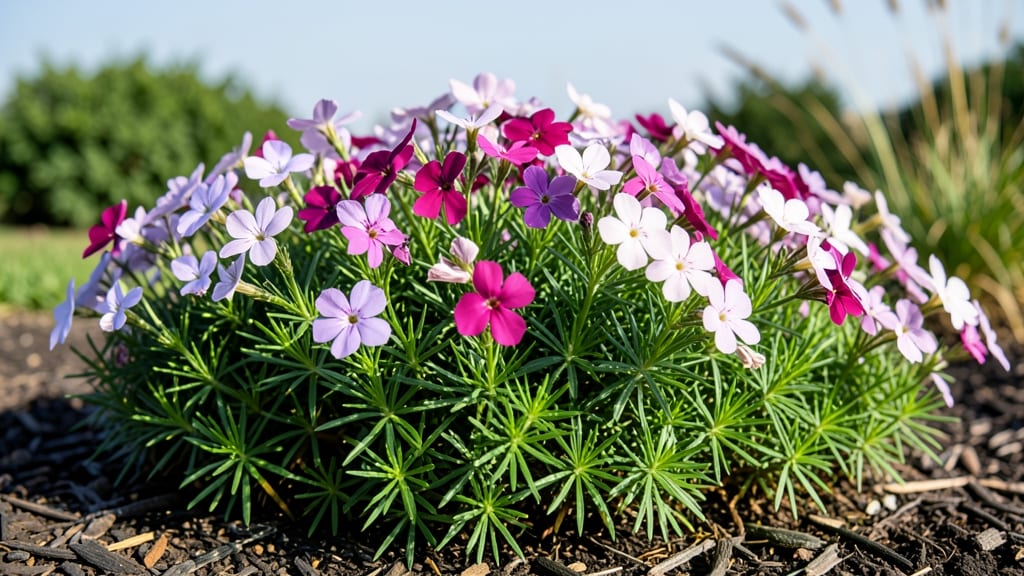
Creeping phlox does not bloom all summer—it typically flowers in early spring for 4-6 weeks, though late-season triggers like deadheading or mild climates may extend blooms into early summer. Proper care maximizes its seasonal display.
Creeping phlox is a spring showstopper, designed by nature to burst into color when days grow longer and temperatures stabilize. 🌸 The plant's bloom cycle is tied to vernalization—its need for cold exposure during winter—which primes it for that concentrated spring display.
What many gardeners don't realize is that without proper care, the plant often enters summer dormancy, conserving energy for next year's blooms. The key to extending those vibrant clusters lies in understanding its natural rhythms and giving it the right signals to rebloom.
For example, deadheading—removing spent flowers—tricks the plant into thinking it's still in bloom, often prompting a second flush of flowers in late summer. In warmer climates (USDA zones 7-9), some varieties naturally linger longer, while cooler regions may see just the spring burst.
The secret? A little maintenance goes a long way in turning creeping phlox into a garden star that keeps performing well past its initial show.
💡 In This Article
- Creeping Phlox Bloom Cycle: Natural Seasonal Patterns
- Extending Creeping Phlox Blooms: Pruning and Care Tips
Creeping phlox bloom cycle: natural seasonal patterns
Creeping phlox's bloom cycle is primarily driven by vernalization, a biological process where the plant requires exposure to cold winter temperatures (typically between 32-45°F) to trigger flowering. This cold period breaks dormancy and primes the plant for its spring display.
Once temperatures stabilize and daylight hours increase—usually around 12-14 hours of sunlight—the plant begins producing buds. This photoperiod sensitivity explains why blooms peak in early spring when these conditions align perfectly.
The plant's natural lifecycle is designed for a concentrated bloom period of 4-6 weeks, conserving energy for future growth. In cooler climates (USDA zones 3-6), this cycle often results in a single spring display, while warmer zones (7-9) may see a more extended season.
For instance, in zone 7, creeping phlox might bloom from late March to early May, while in zone 9, it could stretch from February to June. The plant enters a summer dormancy phase, where it focuses on root and foliage growth rather than flowering.
This seasonal pattern is deeply rooted in the plant's evolutionary adaptations. Creeping phlox, native to woodlands and meadows, evolved to bloom early when pollinators like bees are most active.
The plant's low-growing habit and dense foliage also help it conserve moisture during summer heat, allowing it to survive until the next bloom cycle. Understanding these natural rhythms is key to managing expectations and providing the right care to encourage late-season blooms.
One fascinating aspect of creeping phlox's biology is its floral bud formation, which begins in the previous summer or fall. These buds lie dormant until the cold vernalization period signals them to develop.
This means that the care you provide during the growing season—such as watering and fertilizing—can influence the quality and quantity of next year's blooms. For example, consistent moisture during the 6-8 weeks before flowering ensures robust bud formation, leading to a more vibrant display the following spring.
Climate plays a significant role in shaping the bloom cycle. In regions with hot, dry summers, creeping phlox may enter dormancy earlier, while cooler, more humid climates can extend the blooming window.
For gardeners in areas with unpredictable weather, this means being mindful of watering practices during heatwaves to prevent stress-induced dormancy. Additionally, the plant's sensitivity to temperature fluctuations can sometimes result in a second, smaller bloom later in the season, particularly if the summer remains mild.
Consider the example of 'Emerald Blue' creeping phlox, a cultivar known for its extended blooming period. This variety often produces a second flush of flowers in late summer, thanks to its genetic predisposition to rebloom.
This trait highlights how selective breeding can influence the plant's natural cycle, offering gardeners more control over their seasonal display. By choosing the right cultivar and providing optimal growing conditions, you can coax creeping phlox to perform well beyond its typical spring show.