
Blooming
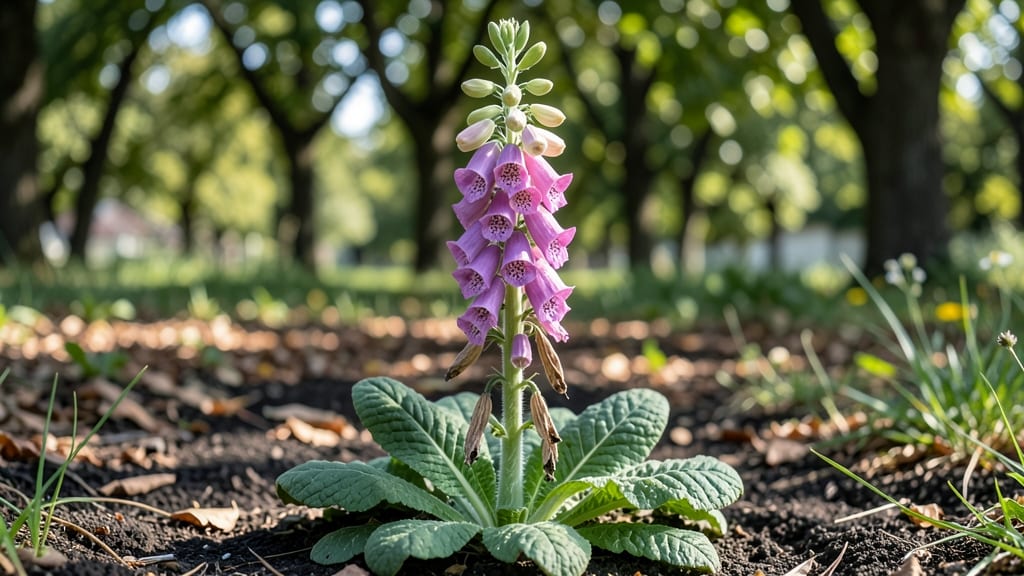
Foxglove doesn't bloom all summer naturally—most varieties produce one main flowering period in early to mid-summer, though some can rebloom lightly with proper care. Perennial types may extend blooms into fall with consistent moisture and sunlight.
Foxglove's seasonal bloom patterns are hardwired into its genetics. 🌿 Most varieties follow a photoperiod-sensitive cycle, triggered by increasing daylight in spring, which explains why they peak in early summer.
Biennials like Digitalis purpurea often produce their single flush in their second year, while perennials like Digitalis grandiflora may rebloom if you remove spent flowers—though never as prolifically.
The key to extending blooms lies in mimicking nature's cues: consistent watering (never soggy soil) and afternoon shade in hot climates prevent stress that cuts blooms short.
What many gardeners overlook is how temperature swings disrupt blooming. Foxglove thrives in cool to moderate climates (USDA zones 4-8)—heatwaves above 85°F can halt flower production entirely.
Even in ideal conditions, expect 6-8 weeks of peak blooms from most varieties, with only select hybrids (like 'Excelsior') showing reliable secondary flushes. The trade-off? Over-pruning to force reblooms can weaken the plant for next year's main display.
💡 In This Article
- Foxglove Bloom Cycles by Variety and Seasonal Factors
- How to Encourage Extended Foxglove Blooming
Foxglove bloom cycles by variety and seasonal factors
Foxglove's seasonal bloom patterns are driven by photoperiodism—a biological response to daylight length. Most varieties, like the classic Digitalis purpurea, trigger flowering when daylight exceeds 14 hours, typically around late spring. This explains why their peak bloom occurs in June-July in temperate zones.
The plant's internal clock, controlled by the FT (FLOWERING LOCUS T) gene, responds to increasing light exposure by producing florigen, a hormone that signals flower development. 🌞
Biennial foxgloves (Digitalis purpurea) often produce their single bloom in their second year, while perennials like Digitalis grandiflora may attempt reblooming if given the right conditions. Temperature plays a critical role: ideal bloom periods occur when nighttime temps stay between 50-65°F.
Heat stress above 85°F disrupts pollination and can cause buds to drop. Even in perfect conditions, most varieties allocate their energy to a 6-8 week main bloom cycle, with only 10-20% of energy available for secondary blooms.
Sunlight quality matters too. Foxglove thrives in partial shade (3-6 hours of direct sun), where UV-B radiation triggers flower production. Too much direct sun (especially in hot climates) causes photoinhibition, where chlorophyll breaks down faster than it can be replaced, stressing the plant.
This is why foxglove often performs better in USDA zones 4-7—cooler climates with moderate sunlight. The trade-off? In zone 8+, where summers stretch into 100°F+, foxglove may enter dormancy early to conserve water, halting blooms by early August.
Water stress is the silent bloom-killer. Foxglove roots extend 12-18 inches deep, making them drought-tolerant once established, but soil moisture below 30% triggers stress responses that abort flower buds.
The plant prioritizes root growth over blooms when soil dries out, which is why consistent moisture (but never soggy soil) is crucial during the bud formation stage (April-May)2-week dry spell can reduce bloom count by 40-50%.
Variety genetics create dramatic differences. The Digitalis grandiflora (yellow foxglove) often reblooms more reliably than purpurea types because its deeper root system stores more starch reserves.
Hybrid varieties like 'Excelsior' (a Digitalis purpurea × grandiflora cross) can produce two bloom cycles if deadheaded aggressively, while 'Camelot' (a biennial) typically blooms once in its second year. The key difference?
Perennials allocate more energy to root systems for future blooms, while biennials go all-in on their single spectacular display.
What most gardeners miss is how nutrient timing affects blooming. Foxglove responds best to low-nitrogen, high-phosphorus fertilizers during bud formation. Too much nitrogen (N) promotes leafy growth at the expense of flowers, while phosphorus (P) supports root and bloom development.
A 5-10-10 fertilizer ratio applied in early spring can extend bloom duration by 2-3 weeks compared to unfertilized plants.