
Blooming
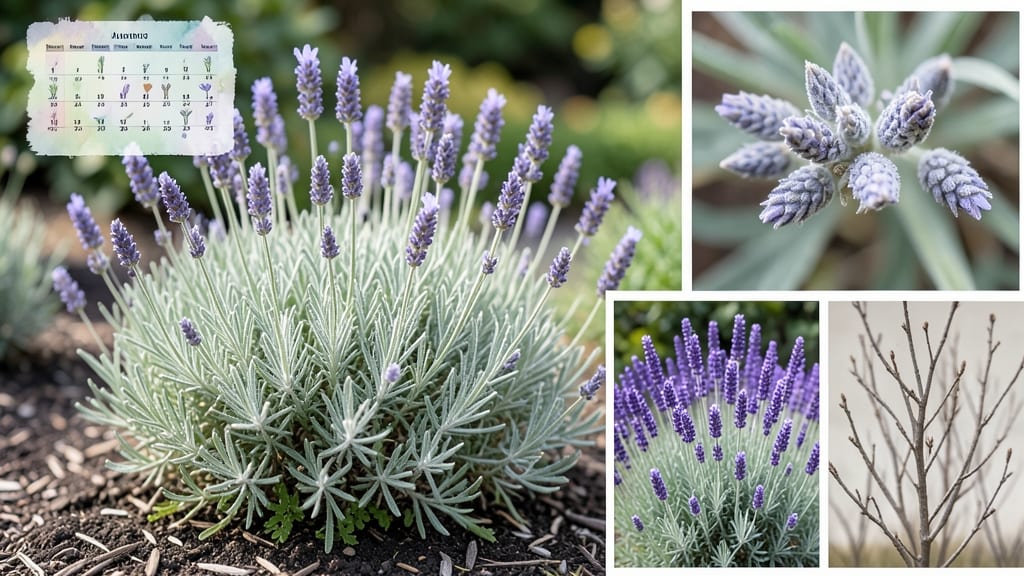
Lavender does not bloom all year—its flowering depends on climate, variety, and seasonal cues like daylight length and temperature, typically producing blooms in late spring through summer with occasional fall reblooming in milder regions.
Lavender's blooming cycle is tightly linked to its natural growing conditions. 🌿 In Mediterranean climates where lavender originated, plants typically bloom from May through July, aligning with the region's long, sunny days.
However, many modern varieties adapted to temperate zones can extend this window with proper care—think of it like training a plant to perform at its peak for longer. The key factors are daylight exposure (at least 6-8 hours daily) and temperature ranges between 50°F and 75°F during active growth.
What's fascinating is how different lavender types respond: English lavender often blooms later in summer, while Spanish lavender may produce multiple smaller flushes throughout the season.
These variations explain why gardeners in milder climates sometimes see fall blooms—it's not magic, but rather the plant responding to extended daylight and moderate temperatures. The trade-off? Lavender enters dormancy in winter, which is why you'll rarely see blooms during colder months unless you're in a frost-free zone.
💡 In This Article
- Lavender Flowering Seasons by Climate Zone
- Extending Lavender Blooms: Pruning and Care Tips
Lavender flowering seasons by climate Zone
Lavender's blooming cycle is primarily governed by photoperiodism—the plant's response to daylight length. In its native Mediterranean climate, lavender triggers flowering when days reach 14-16 hours of sunlight, typically in late spring.
This adaptation explains why most varieties bloom between May and July in these regions, aligning with peak summer conditions. The plant's internal clock, regulated by a protein called PHYTOCHROME, detects increasing daylight and signals the transition from vegetative growth to flowering.
Temperature plays an equally critical role, with optimal blooming occurring between 50°F and 75°F. Below 40°F, lavender enters dormancy, while above 85°F, flowers may wither prematurely. This explains why Mediterranean lavender thrives in USDA zones 5-9, where summer temperatures rarely exceed 80°F.
In colder zones (3-4), lavender may only bloom for 4-6 weeks compared to 8-10 weeks in ideal climates. The scent intensity also varies—cooler climates produce more potent floral oils due to slower growth.
Regional variations create fascinating exceptions. In Zone 7 (like the Pacific Northwest), lavender often blooms in late June through August due to cooler summers, while Zone 9 (Southern California) may see blooms as early as April thanks to mild winters.
Spanish lavender, a hardier variety, can produce two blooming cycles—once in spring and again in fall—if given consistent care. This dual-flowering ability stems from its genetic adaptation to Spain's transitional seasons, where autumn temperatures remain warm enough to trigger secondary growth.
What most gardeners overlook is how vernalization (cold treatment) affects blooming. Many lavender varieties require 6-8 weeks of temperatures below 50°F during winter to reset their flowering cycle. Skipping this cold period can lead to bolting (premature flowering) or sparse blooms.
In frost-free zones (Zone 10+), lavender may bloom year-round but with significantly reduced vigor, as the plant lacks the seasonal stress that strengthens its structure. This explains why commercial lavender farms in California often use controlled dormancy periods to maintain plant health.
Consider these key climate factors when selecting lavender varieties:
- Mediterranean climates: Ideal for classic lavender like English and French varieties, with blooms from May-July
- Temperate zones (5-8): Spanish lavender excels, often blooming June-August with possible fall reblooms
- Cold climates (3-4): Grosso lavender tolerates -20°F but blooms only 4-6 weeks
- Hot climates (9-10): Requires afternoon shade to prevent heat stress, blooming March-May and September-November
The most reliable way to predict lavender blooming is tracking your local chilling hours (temperatures between 32°F-45°F). Most varieties need 1,000-1,500 hours annually to perform optimally. Without this cold exposure, lavender becomes leggy and weak, producing fewer flowers with lower aromatic quality.
This scientific approach explains why lavender grown in greenhouses often fails to bloom—it lacks the natural seasonal cues that trigger flowering. 🌸