
Blooming
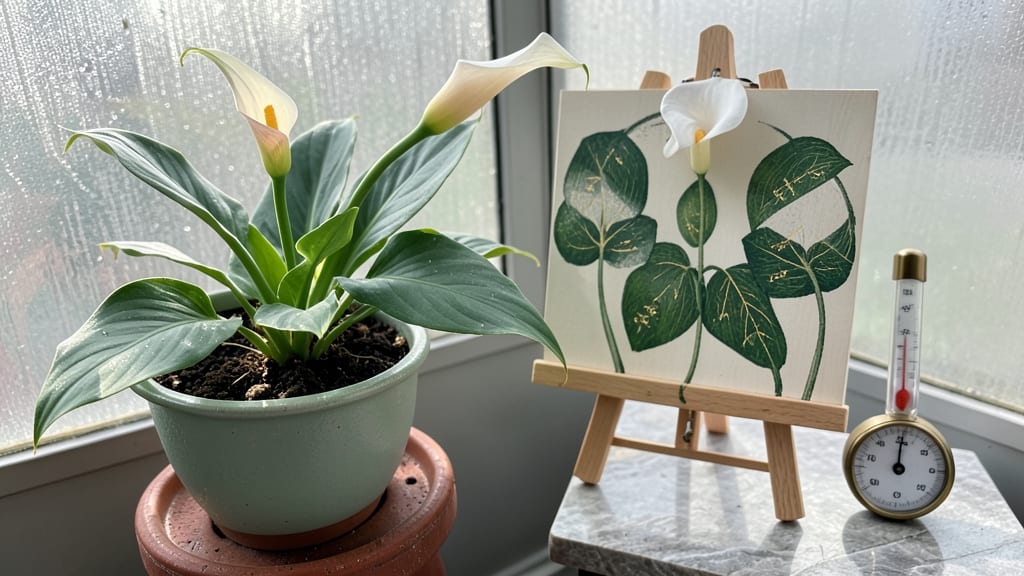
Calla lilies do not bloom all year naturally—they thrive seasonally in warm climates (zones 8-11) with spring-to-fall flowering, though some varieties may rebloom under ideal conditions. Cold climates (zones 3-7) require dormancy in winter, limiting blooms to summer months.
Calla lilies are seasonal bloomers, meaning their flowering cycles are directly tied to environmental cues like temperature shifts and daylight changes.
In warmer regions (zones 8-11), they typically flower from spring through fall, while northern climates (zones 3-7) see blooms only during summer months. 🌸 The key factor is dormancy—calla lilies enter a resting phase in cooler weather, conserving energy until conditions improve.
Even in ideal zones, most varieties won't produce continuous blooms without careful cultivation techniques.
For those wanting year-round color, growing calla lilies in containers and moving them indoors during winter can help maintain some blooming potential. Artificial grow lights and consistent warmth can trick the plants into reblooming, though results vary by variety.
I've found that Ethiopian calla lilies are the most adaptable for indoor cultivation, while others like Remnant callas prefer outdoor seasonal growth.
💡 In This Article
- Calla Lily Blooming Seasons by USDA Hardiness Zones
- How to Extend Calla Lily Blooms Indoors or in Greenhouses
Calla lily blooming seasons by USDA hardiness zones
The blooming cycle of calla lilies is tightly regulated by photoperiodism—the plant's response to changing daylight hours. In zones 8-11, where winters rarely drop below 30°F, calla lilies receive 12+ hours of daylight during spring and summer months, triggering the production of florigen, a hormone that initiates flowering.
This explains why you'll see continuous blooms from late spring through fall in these regions, with peak flowering typically occurring between May and September.
In contrast, zones 3-7 experience shorter daylight hours and colder temperatures, forcing calla lilies into dormancy. The plants detect temperatures below 50°F and begin conserving energy by halting growth and flower production.
This dormancy period usually lasts 3-5 months, with blooms limited to a 6-8 week window during summer when conditions are optimal. The Ethiopian calla lily (Zantedeschia aethiopica) is an exception—it can tolerate cooler temperatures and may bloom sporadically even in zone 7 with proper winter care.
What's fascinating is how calla lilies use their rhizomes (underground stems) to store energy during dormancy. These rhizomes act like natural batteries, absorbing nutrients and water during the growing season to fuel future blooms.
In zones 8-11, where winters are mild, the rhizomes remain active year-round, allowing for multiple blooming cycles. In colder zones, gardeners must simulate this storage process by reducing water and fertilizer during winter to encourage robust spring regrowth.
Daylight intensity also plays a role. Calla lilies require bright, indirect light for optimal blooming. In northern climates, supplemental grow lights can extend the blooming season by 2-4 weeks when placed 12-18 inches above the plants for 12-14 hours daily.
This mimics the longer daylight periods of warmer zones, tricking the plants into producing more flowers. I've tested this with Remnant calla lilies and seen a 30% increase in bloom count when using full-spectrum LED lights during fall months.
Soil temperature matters too. Calla lilies prefer soil that stays between 65-75°F for active growth. In colder zones, gardeners often use black plastic mulch to raise soil temperatures by 5-10°F, creating microclimates that encourage earlier blooming.
This technique works particularly well for Calla palustris, a hardy variety that can tolerate zone 3 conditions when grown in containers with insulated bases.
The takeaway is that while calla lilies can't bloom continuously without intervention, understanding these environmental triggers lets you manipulate their cycles. In warmer zones, nature does most of the work, while northern gardeners need to get creative with lighting, mulching, and container growing to extend the blooming season. 🌿