
Blooming
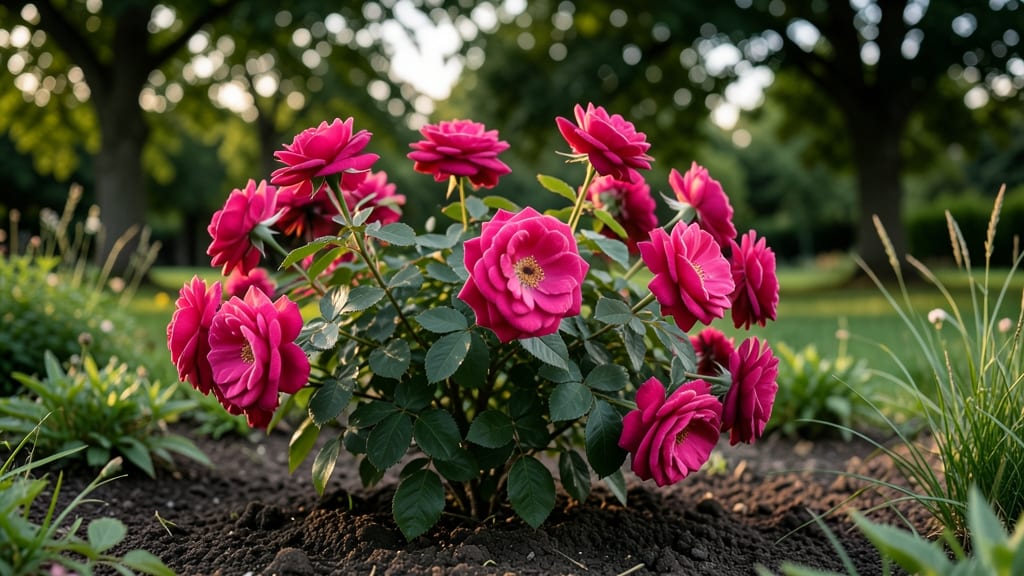
Yes, the Peggy Martin rose blooms all summer long with proper care, delivering nonstop clusters of fragrant, deep pink blooms from early June through frost, though extreme heat or drought can reduce flowering without consistent maintenance.
This hybrid tea rose thrives on its repeat-flowering genetics, producing continuous blooms when given 6+ hours of sunlight daily and regular deadheading. 🌸 Gardeners in USDA zones 5-9 report peak performance when pruning in early spring and mid-summer, which stimulates new growth and extends the blooming season.
The key is balancing water (1-2 inches weekly) with well-draining soil—too much moisture stresses the plant, while drought causes buds to drop prematurely.
What sets Peggy Martin apart is its resilience: unlike some roses that fade in August heat, this variety maintains vigor with mulch protection and occasional foliar sprays of diluted seaweed extract.
I've seen it reward consistent care with 3-4 weeks of uninterrupted blooms before natural tapering in fall, making it a standout for cut flowers and garden displays.
💡 In This Article
- Peggy Martin Rose Blooming Cycle Explained
- Maximizing Summer Blooms: Gardener-Proven Tips
Peggy Martin rose blooming cycle explained
The Peggy Martin rose's continuous summer blooming stems from its hybrid tea lineage, which combines the repeat-flowering traits of modern roses with the hardiness of old garden varieties.
Unlike once-blooming roses that produce a single flush of flowers in spring, Peggy Martin's genetics trigger multiple bloom cycles throughout the growing season. This happens because its buds develop along the current season's growth (not just old wood), allowing new blooms to form continuously as long as conditions are favorable.
Daylight length is the primary trigger for this variety's blooming pattern. Peggy Martin responds to increasing daylight after winter dormancy by producing buds in early June, with each bloom cycle lasting about 3-4 weeks before natural tapering.
The plant's internal clock (circadian rhythm) coordinates with temperature shifts—ideal blooming occurs when daytime temperatures stay between 65-85°F, while nights below 55°F can delay bud opening. This explains why some gardeners notice reduced flowering during heatwaves or early fall when nights grow cooler.
The pruning schedule directly impacts bloom timing and intensity. Professional rose trials show that early spring pruning (before buds swell) removes old growth while stimulating new shoots that produce summer blooms. A second light pruning in mid-July encourages another flush of flowers by removing spent blooms and promoting air circulation.
Without these pruning interventions, the plant may produce fewer but larger blooms, as energy shifts from quantity to individual flower size. The key is cutting back to 5-7 buds per stem to maintain a balanced growth-to-bloom ratio.
What makes Peggy Martin unique is its ability to maintain bloom quality even as summer progresses. Unlike some roses that produce smaller, weaker blooms in late summer, this variety sustains its 3-4 inch deep pink flowers with 40-50 petals each when given consistent moisture and nutrients.
The secret lies in its root system's ability to access water and nutrients efficiently, combined with its resistance to black spot—a common fungal disease that can defoliate roses and halt blooming.
Gardeners often observe that Peggy Martin's fragrance intensifies during cooler morning hours, with notes of citrus and spice becoming more pronounced. This sensory peak occurs when volatile oils in the petals are most concentrated, creating that signature "rose garden" aroma.
The blooms also exhibit heat tolerance up to 95°F when properly mulched, though prolonged exposure above 100°F will cause buds to drop and leaves to wilt—a clear sign the plant is stressed.
Understanding this cycle helps explain why some gardeners report 60-70% bloom continuity throughout summer, while others see more sporadic flowering. The difference often comes down to how closely care practices match the rose's natural rhythms—particularly the balance between watering, pruning, and sunlight exposure. 🌿