
Blooming
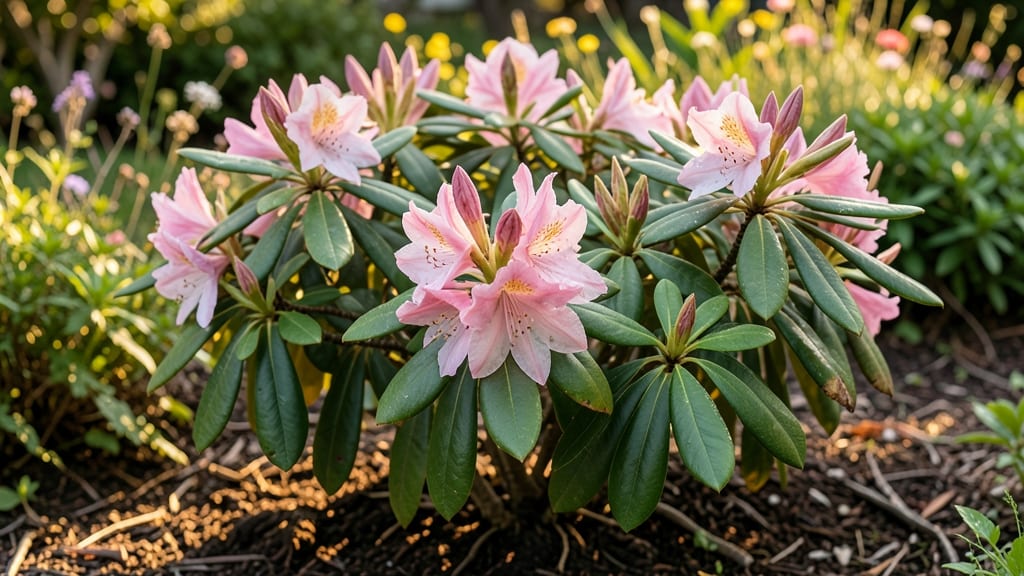
Rhododendrons don't bloom all summer—most varieties produce just one flush of flowers in spring, though select reblooming types like 'Bow Bells' or 'Anna Rose Norton' can deliver secondary blooms in late summer with attentive pruning and care.
This seasonal flowering pattern isn't random—it's hardwired into most rhododendron genetics. 🌸 The plants prioritize energy for root growth and winter survival, which is why their spectacular spring displays are often their only show.
Even reblooming varieties need specific triggers like consistent moisture, balanced fertilizer, and strategic pruning to convince them to produce those extra summer blooms. Think of it like training a plant athlete to perform a second act!
What makes this especially interesting is how climate plays a role. In warmer regions like Zones 7-9, some varieties naturally extend their blooming season, while colder climates may see only the spring display.
The key to encouraging reblooming lies in understanding your specific cultivar's needs—whether it's deadheading spent blooms or providing afternoon shade during peak summer heat.
💡 In This Article
- Why Rhododendron Blooming Seasons Vary by Type
- Best Reblooming Rhododendron Varieties for Extended Color
Why rhododendron blooming seasons vary by type
Rhododendrons follow a biological rhythm tied to their evolutionary survival strategies. Most species prioritize a single spring bloom because their energy is focused on establishing strong root systems and preparing for winter dormancy.
This one-time flowering ensures they allocate resources efficiently—similar to how deciduous trees drop leaves to conserve energy during cold months. The flowering process itself is triggered by a combination of day length (photoperiodism) and temperature shifts, with buds typically forming in late summer or fall for spring display.
The key difference between evergreen and deciduous rhododendrons lies in their growth patterns. Evergreen varieties like 'PJM' maintain foliage year-round, which means they constantly photosynthesize and store energy.
This continuous energy production allows some evergreen cultivars to produce secondary blooms if given the right conditions—like 'Bow Bells', which can rebloom in late summer. Deciduous types, however, often lack this capacity because their energy reserves are more limited during winter months.
Soil pH also plays a critical role: most rhododendrons thrive in acidic soils (pH 4.5-5.5), and even slight deviations can stress the plant and reduce flowering potential.
Climate zones dramatically impact blooming patterns too. In Zones 7-9, where winters are mild, some varieties naturally extend their blooming season because they don't experience the same dormancy triggers as plants in colder regions.
For example, 'Anna Rose Norton' often produces secondary blooms in late summer in warmer climates but may remain single-blooming in Zone 5. The 10°F chill hours requirement for many cultivars is another critical factor—some varieties need this cold exposure to reset their biological clocks for spring flowering.
Pruning timing and technique can either encourage or inhibit reblooming. If you prune after the main spring bloom, you risk removing next year's flower buds, which form on old wood.
For reblooming varieties, the secret is light pruning after secondary blooms—this prevents overcrowding while allowing the plant to focus energy on new growth. The right approach depends on your cultivar: aggressive pruning of 'Catawbiense' types might eliminate future blooms entirely, while 'Nova Zembla' can handle more aggressive shaping.
What most gardeners overlook is how watering affects blooming cycles. Rhododendrons need consistent moisture—especially during bud formation in late summer. Drought stress during this period can cause buds to abort, while overwatering in winter can lead to root rot and weaken the plant's ability to produce flowers.
Aim for 1-1.5 inches of water weekly, adjusting for rainfall, and always keep the root zone moist but never waterlogged. Mulching with 2-3 inches of organic material helps maintain soil moisture and temperature stability.
Here's how to identify reblooming potential in your rhododendron: look for new flower buds forming on current season's growth (rather than old wood). These buds appear as small, greenish swellings along the stems after the main bloom.
Varieties like 'Tundra' or 'Pink Pearl' often show this characteristic, while 'Elizabeth' typically blooms just once. Understanding these visual cues helps you select plants that match your seasonal color goals.