
Blooming
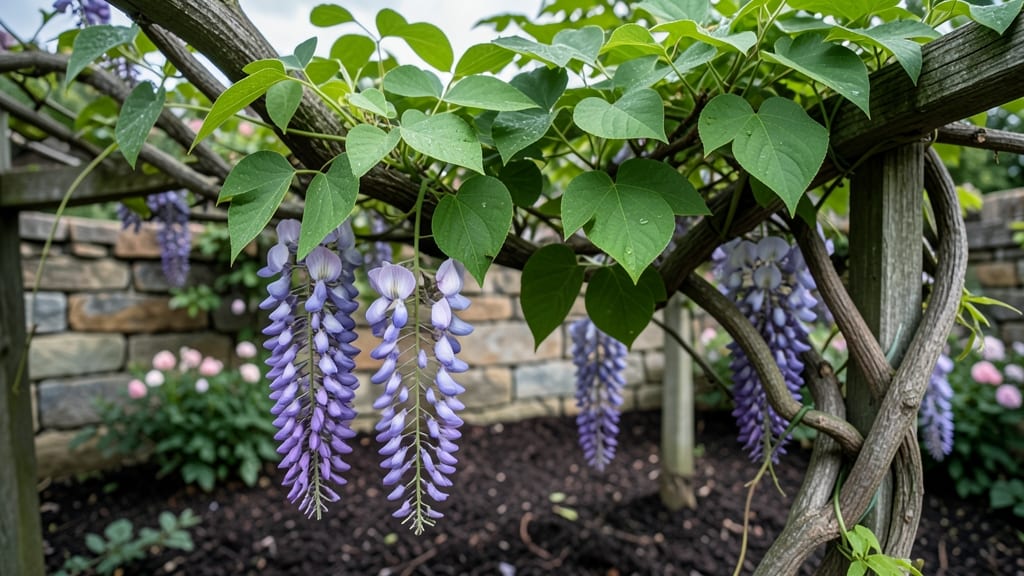
Wisteria does not bloom all summer—most varieties flower primarily in late spring, with some reblooming in early summer. Timing depends on the species (Chinese vs. Japanese) and climate, as cooler weather triggers blooms. Pruning also affects flowering cycles.
Wisteria's blooming habits are more seasonal than continuous, with most varieties showing their best floral displays for just 2-3 weeks in late spring. 🌸 The key difference between Chinese and Japanese wisteria lies in their native climates—Chinese wisteria often produces a second, lighter bloom in early summer, while Japanese wisteria typically focuses its energy on one spectacular spring show.
Cooler temperatures after warm spells actually stimulate bud formation, which is why you might see delayed blooms in regions with unpredictable weather patterns.
What many gardeners don't realize is that proper pruning can extend your wisteria's flowering window. Cutting back right after blooming encourages next year's flowers, while over-pruning can actually reduce bloom production.
I've found that providing well-draining soil and consistent moisture during the growing season makes a noticeable difference in both bloom quantity and duration.
💡 In This Article
- Wisteria Flowering Seasons by Variety
- How to Encourage Longer Wisteria Blooms
Wisteria flowering seasons by variety
Chinese wisteria (Wisteria sinensis) typically blooms in late spring, producing vibrant purple or white flowers that last about 2-3 weeks. This species originates from warmer climates in central and eastern China, where it experiences distinct seasonal temperature shifts that trigger bud formation.
Japanese wisteria (Wisteria floribunda), on the other hand, thrives in cooler coastal regions of Japan and often blooms slightly later, with flowers that can appear in shades of lavender, pink, or white.
The key difference lies in their native climates—Chinese varieties often produce a second, lighter bloom in early summer, while Japanese types focus their energy on one spectacular spring display.
The timing of blooms is heavily influenced by temperature fluctuations. Wisteria buds require a period of cooler weather (50-60°F) following warmer spells (70°F+) to stimulate flowering.
This is why you might see delayed blooms in regions with unpredictable weather patterns—like parts of the U.S. Midwest—where sudden temperature drops can trigger buds to open later in the season.
In contrast, areas with stable warm temperatures, such as Southern California, may experience shorter bloom periods or even miss them entirely if the climate doesn’t provide the necessary contrast. 🌸
Botanically, wisteria flowers are racemes—clusters of individual blossoms that emerge from a central stem. Each flower is about 1-2 inches long and contains pea-like petals that release a sweet, intoxicating fragrance, especially in the morning.
The blooms are ephemeral, meaning they last only a few days before wilting, which is why the entire cluster appears to "open" gradually over 10-14 days.
This staggered blooming is a survival strategy to ensure pollinators like bees have a continuous food source, but it also means the full spectacle is short-lived for gardeners.
Reblooming is rare and depends on the variety and growing conditions. Chinese wisteria is more likely to produce a second, smaller bloom in early summer, but this requires careful pruning and optimal care. Japanese wisteria, however, rarely reblooms because its energy is primarily focused on the spring display.
The second bloom, if it occurs, is often less vibrant and shorter-lived, with flowers that may not open fully. This is why gardeners in cooler climates sometimes see wisteria skip a year’s blooms entirely—it’s redirecting resources to root or vine growth instead.
Consider these key factors when planning your wisteria’s bloom schedule:
- Climate zone: Cooler regions (USDA zones 5-7) may see later, shorter blooms, while warmer zones (8-10) might experience delayed or reduced flowering.
- Variety choice: Chinese wisteria (Wisteria sinensis) is more likely to rebloom than Japanese wisteria (Wisteria floribunda).
- Sunlight exposure: Full sun (6+ hours daily) is critical for bud formation, while partial shade can reduce bloom intensity.
- Soil conditions: Well-draining, slightly acidic soil (pH 6.0-7.0) supports healthier root systems, which in turn produce more flowers.
What most gardeners overlook is how wisteria’s age affects blooming. Young vines (under 3 years old) often produce minimal flowers as they focus on establishing roots and vines. It can take 5-7 years for a wisteria to reach its full flowering potential, which is why patience is key.
Once established, a mature vine can produce hundreds of flowers per cluster, creating a breathtaking canopy that’s worth the wait. 🌿