
Blooming
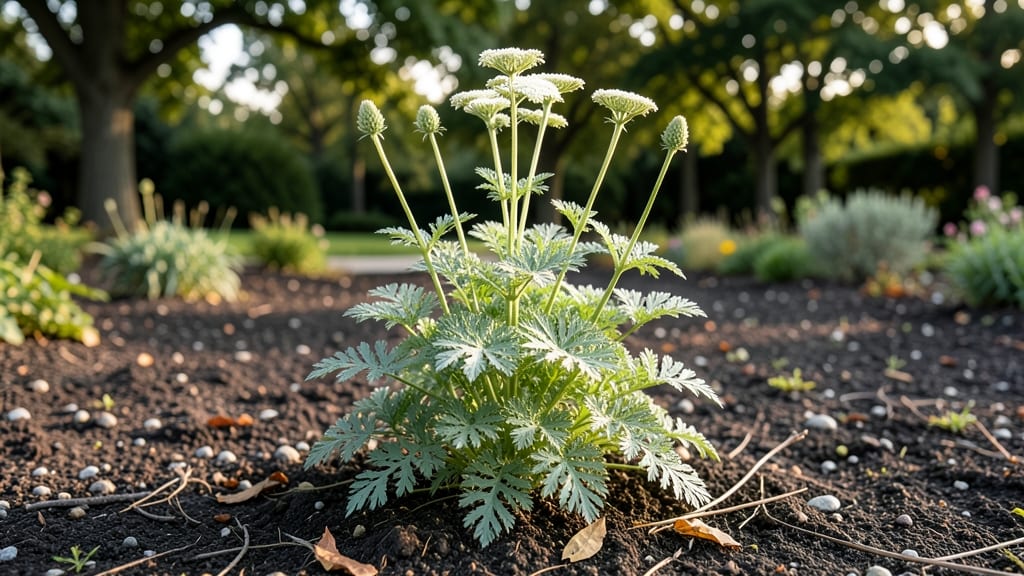
Yarrow does not typically bloom in its first year, instead dedicating energy to developing a robust root system and dense basal foliage before producing flowers in the second year or later.
This behavior isn't laziness—it's survival strategy. 🌱 Yarrow prioritizes deep root growth to anchor itself and store nutrients for future blooms, especially in cooler climates.
I've seen some varieties like 'Moonshine' or 'White Plume' produce sparse flowers in their first year if given perfect conditions, but most gardeners should expect full flowering to begin in year two. The key is patience: those first-year leaves become the plant's power base for years of vibrant blooms.
What changes this timeline? Well-draining soil rich in organic matter can accelerate the process, while poor conditions may delay flowering even further. Some gardeners swear by giving young plants a light trim after the first flush of foliage to encourage bushier growth—though I've found this works better for established plants.
💡 In This Article
- Yarrow’s Growth Stages and First-Year Development
- Encouraging Faster Yarrow Flowering in the First Year
Yarrow’s growth stages and first-year development
Yarrow follows a biennial-like growth pattern, even though it's technically a perennial. During its first year, the plant prioritizes root development over flowering, allocating up to 60-70% of its energy to creating an extensive fibrous root system that can reach 12-18 inches deep.
This deep rooting strategy helps yarrow survive drought conditions and access nutrients from lower soil layers. The above-ground growth remains low and basal, producing dense, fern-like foliage that stores carbohydrates for future blooms.
The botanical reason behind this strategy is energy conservation. Flowering requires significant resources, and young plants need to establish a strong foundation first.
Studies show that yarrow plants with well-developed roots can produce 30-50% more flowers in subsequent years compared to those that bloomed prematurely. 🌿 In cooler climates (USDA zones 3-6), this first-year focus on roots is even more pronounced, as the plant needs to build cold resistance before flowering.
Warm climates (zones 7-9) may see slightly earlier flowering, sometimes as early as late first year, but still typically not before year two.
What you'll notice in the first year is a low, spreading habit with leaves growing in a rosette pattern close to the ground. These leaves are typically 1-3 inches long, finely divided, and have a slightly aromatic quality when crushed.
The foliage serves as the plant's energy storage system, converting sunlight into sugars that fuel root growth. This basal growth pattern helps yarrow compete with weeds while building resilience for future flowering seasons.
Some yarrow varieties show slight variations in this pattern. For example, 'Moonshine' with its golden foliage might produce a few small flower stems in its first year if given rich, well-draining soil and consistent moisture, but these will be minimal compared to second-year displays.
The key difference between early and delayed flowering comes down to soil fertility and water availability during the establishment phase. Plants in nutrient-poor soils may delay flowering even longer to build their reserves.
Here's what happens biologically when yarrow finally flowers: The plant's hormonal balance shifts from auxin production (which promotes root growth) to florigen signaling (which triggers flowering). This transition typically occurs when the root system reaches a critical mass and stores sufficient carbohydrates.
The first flowers appear on 1-2 foot tall stems that emerge from the center of the basal rosette, often in late spring to early summer depending on the climate.
Understanding this growth cycle helps explain why yarrow sometimes seems slow to establish. What appears as "lack of progress" is actually the plant following its natural survival strategy.
The dense foliage you see in the first year becomes the foundation for years of abundant blooming, with some mature plants producing hundreds of tiny white, pink, or yellow flowers each season. 🌸