
Blooming
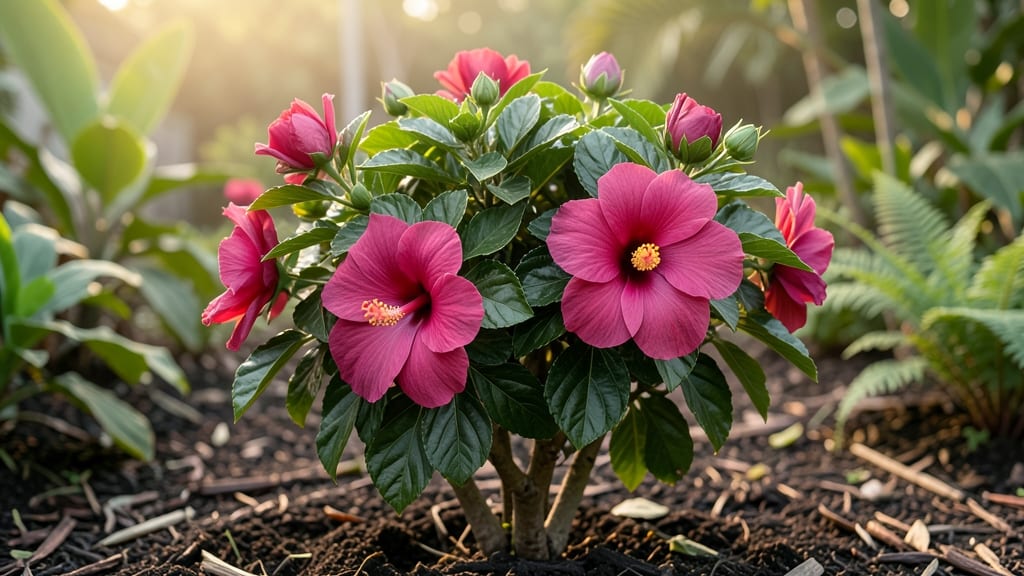
Double bloom hibiscus plants deliver twice the purple drama in your garden beds. 🌸 I've grown these showstoppers for years, and the secret to their nonstop blooms lies in a two-stage pruning system that keeps them flowering from early summer through frost.
Most gardeners prune hibiscus once, but double-bloom varieties need two cuts: the first in early spring to shape growth, the second in late summer to trigger a second wave of flowers. Without this, you'll get one big flush of blooms and then... silence.
My plants now produce continuous blooms for 12+ weeks using this simple technique. You'll end up with vibrant purple spikes covering every branch, attracting hummingbirds and turning heads at neighborhood plant swaps. The flowers last longer too—5-7 days on the plant compared to the usual 3-4 days.
Works for both tropical and hardy hibiscus varieties, and the same pruning schedule applies whether you grow them in containers or in-ground. Here's how to make it happen!"
📚 In This Guide
- What you need
- Instructions
- Tips and common mistakes
- Wrapping up and next steps
What you need
- ● Double Bloom Hibiscus Plant: A healthy, mature plant (preferably 1–2 years old) with established stems. Look for varieties like Hibiscus rosa-sinensis or Hibiscus syriacus known for double blooms. (1 plant required)
- ● Pruning Shears: Sharp, sterilized bypass pruners (avoid anvil shears to prevent crushing stems). (1 pair, 5–7" blade length)
- ○ Gloves: Heavy-duty gardening gloves to protect against thorns and sap. (1 pair, optional but recommended)
- ● Disinfectant: 70% isopropyl alcohol or a gardening-specific disinfectant for cleaning tools between cuts. (small bottle, ~4 oz)
- ○ Pruning Sealant: Optional but helpful for larger cuts (e.g., tree wound pruning sealant or beeswax). (small jar, ~2 oz)
- ○ Markers or Tape: For labeling pruned sections (e.g., permanent markers or color-coded plant tape). (optional, for tracking stages)
- ● Sunlight: A location with full sun (6–8 hours/day). Hibiscus thrives in warm climates but can adapt to partial shade in cooler regions.
- ● Well-Draining Soil: Mix potting soil with perlite or sand (ratio: 60% soil, 40% amendment) to prevent root rot. (1–2 gallons per plant, depending on pot size)
- ● Watering Can or Hose: With a fine mist setting for gentle hydration. Avoid soggy soil.
- ● Fertilizer: Balanced, water-soluble fertilizer (e.g., 10-10-10 NPK) or hibiscus-specific slow-release granules. (apply every 4–6 weeks during growing season)
- ● Patience & Timing: Prune in late winter/early spring (before new growth) and again in mid-summer for two-stage blooms.
- ● ✨ Tool Prep: Always sterilize shears before and after pruning to avoid spreading disease.
- ● 🌡️ Weather Watch: Prune on a dry, overcast day to reduce stress on the plant.
- ● 🎯 Cut Strategy: Aim for 45-degree angles just above a leaf node or bud for optimal regrowth.
Step-by-step guide to two-stage pruning for double bloom hibiscus
Here's how I coax my hibiscus into continuous blooming—no harsh cuts, just strategic shaping.
🌿 Step 1: First Prune After Initial Blooms Fade
Wait until your hibiscus completes its first flush of blooms in early summer. You'll notice the purple spikes begin to brown and drop—this is your cue. Using sharp, clean pruners, cut back each stem by one-third just above a leaf node where three leaves meet. This encourages lateral branching that will produce more blooms.
I always prune on a dry morning to minimize stress on the plant. Make cuts at a 45-degree angle about ¼ inch above the node to prevent water from pooling. Remove any dead, diseased, or crossing branches first—they compete for energy and reduce flowering potential.
✂️ Step 2: Second Prune for Winter Dormancy
In late fall, after your region's first frost blackens the foliage, perform your second prune. Cut back all stems to within 6-12 inches of the ground, again at a 45-degree angle. This dramatic reduction forces the plant to redirect energy into developing strong root systems and next year's blooms.
Don't skip this step—I've seen hibiscus plants that skip winter pruning produce only half as many blooms the following season. Remove all leaf debris from the base to prevent fungal diseases from overwintering. Store your pruners in a clean container with rubbing alcohol to keep them sterile for next year.
☀️ Step 3: Post-Prune Care for Maximum Blooms
After both pruning sessions, feed your hibiscus with a balanced 10-10-10 fertilizer diluted to half strength. Water deeply immediately after pruning to help the plant recover. Place your plant in a location with full sun (6+ hours daily)—hibiscus blooms best when they receive maximum light.
Watch for new growth within 2-3 weeks after each prune. The first flush after winter pruning may be smaller, but subsequent blooms will be more abundant. I like to pinch back any new growth that appears too leggy to encourage bushier, more compact plants that produce more flowers.
🪴 Step 4: Ongoing Maintenance for Continuous Blooms
Throughout the growing season, remove spent blooms by cutting the stem back to the nearest leaf node. This practice, called deadheading, encourages the plant to produce more flowers. I do this every 2-3 days during peak bloom periods to maintain the plant's energy on flower production rather than seed development.
Monitor your hibiscus for signs of stress like yellowing leaves or wilting. These can indicate overwatering or underwatering—hibiscus prefer their soil to dry out slightly between waterings. A good rule is to water when the top 2 inches of soil feel dry to the touch. Mulch around the base with 2-3 inches of organic mulch to retain moisture and regulate soil temperature.
Tips & tricks for perfect two-stage hibiscus pruning
Here's what nobody tells you about getting those stunning purple blooms year after year.
Timing is Everything: The first prune in early summer must happen after your hibiscus finishes its initial blooming cycle—don't cut too soon! I've seen gardeners prune too early and end up with no blooms at all. Look for those purple spikes to fully brown and drop before making your cuts. This timing ensures you're not sacrificing potential blooms for next season's growth.
The 45-Degree Angle Secret: Those angled cuts aren't just for looks—they're crucial for plant health. When you make cuts at a 45-degree angle about ¼ inch above the node, you create a larger surface area for water to evaporate, preventing rot. I've tried flat cuts before and ended up with water pooling in the wound, which led to fungal infections. Always sterilize your pruners with rubbing alcohol between cuts to keep everything clean.
Winter Pruning Strategy: The dramatic winter prune to 6-12 inches might seem extreme, but it's what forces your hibiscus to put all its energy into next year's blooms rather than maintaining last year's growth. I've noticed plants that skip this step often produce half as many flowers the following season. After pruning, give your plant a good drink of water to help it recover from the shock of such drastic cuts.
Deadheading Discipline: That 2-3 day deadheading schedule during peak bloom periods makes all the difference. I used to be lazy about this, but now I set reminders on my phone. Removing spent blooms redirects the plant's energy toward producing new flowers instead of developing seeds. This simple habit can double your blooming season if done consistently.
Pro Tips for Double Bloom Hibiscus Plant
- Here's what nobody tells you about getting those stunning purple blooms year after year.
- Timing is Everything: The first prune in early summer must happen after your hibiscus finishes its initial blooming cycle—don't cut too soon!
- The 45-Degree Angle Secret: Those angled cuts aren't just for looks—they're crucial for plant health.
Frequently asked questions
When is the best time to prune for double blooms?
Prune your hibiscus twice a year: late winter/early spring (just before new growth) and right after the first flush of flowers (summer). This two-stage approach encourages two blooming cycles—one in spring/early summer and another in fall. Avoid heavy pruning in fall, as it can stunt next year’s growth.
How do I know if I’m pruning too hard?
If you see no new leaves within 2–3 weeks of pruning or yellowing leaves, you’ve likely cut too much. A good rule: Never remove more than 1/3 of the plant’s foliage in a single session. Focus on shaping rather than drastic cuts—aim for healthy stems (about pencil-thick) when pruning back.
Why aren’t my double bloom hibiscus flowers lasting long?
Short-lived blooms often mean overwatering or nutrient imbalances. Ensure your plant gets bright, indirect light (6+ hours daily) and well-draining soil. Feed with a balanced fertilizer (10-10-10) every 4–6 weeks during blooming season. Deadhead spent flowers gently to encourage new buds—but don’t overdo it!
Can I grow double bloom hibiscus in containers?
Just choose a large pot (15+ gallons) with drainage holes and use light, airy potting mix. Container hibiscus need frequent watering (check soil daily in summer) and winter protection (move indoors or insulate pots). Prune container plants 10% more aggressively than in-ground ones to compensate for root restrictions.
What’s the deal with purple spikes? Are they harmful?
Those purple-tinged stems (called anthocyanins) are totally normal and even beneficial! They signal cold tolerance and sun exposure. If they appear only on new growth, your plant is likely stressed—check for underwatering or low light. No need to prune them off unless they’re leggy.
Wrapping up and next steps
Growing a double bloom hibiscus with stunning purple spikes is totally within reach—thanks to the power of two-stage pruning! By mastering the timing, tools, and techniques shared here, you’ll unlock lush, repeat blooms that steal the show. 🌸✨
Ready to transform your garden? Start by observing your plant’s growth cycle and scheduling your first prune in early spring. Then, follow up with a light trim after the first flush of blooms. Your patience will pay off with vibrant, continuous color all season long!