
Blooming
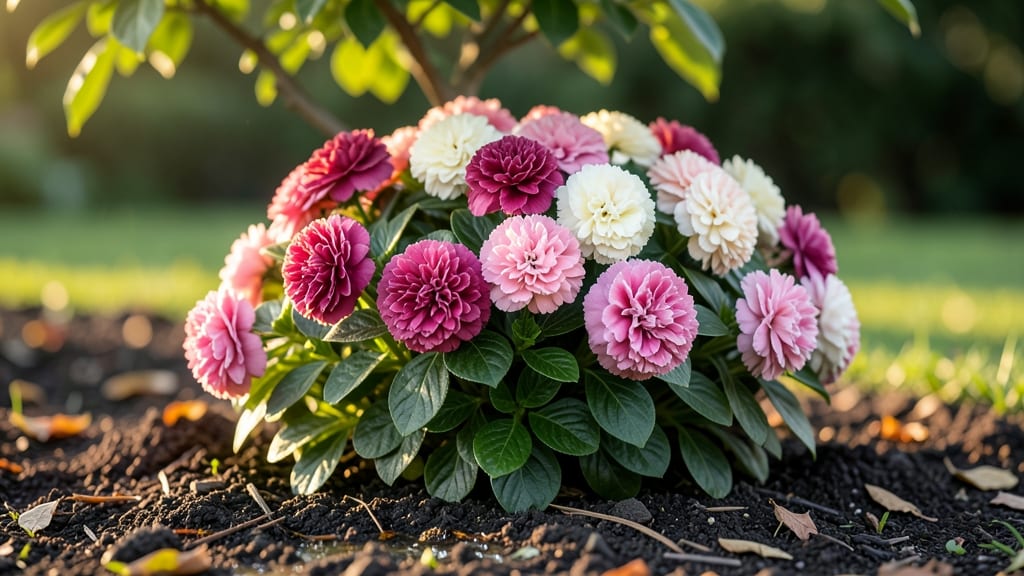
Double bloom impatiens don’t follow the usual rules—these plants keep flowering all season long when you give them the right light conditions. 🌸 The secret lies in understanding that reblooming depends on light exposure, not just warm weather, which is why they thrive in partial shade while other flowers fade.
I’ve grown them for years, and once you master this trick, you’ll have nonstop color from spring until frost.
Start with well-draining soil and a spot that gets morning sun but afternoon shade—this mimics their natural habitat in tropical forests. Overwatering is their biggest enemy, so let the top inch of soil dry out between waterings.
A slow-release fertilizer in spring will give them the nutrients they need without burning delicate roots, and you’ll see those signature double blooms popping up within weeks.
Pruning isn’t just about shaping—it’s about encouraging more flowers. Pinch back leggy stems in early summer, and you’ll trigger bushier growth with even more blooms.
Deadhead spent flowers regularly, but don’t stress if you miss a few; these plants are forgiving and will keep producing even if you’re not perfect about it.
Container growing works beautifully, especially if you use a mix of potting soil and perlite for drainage. Just keep an eye out for aphids, which love the tender new growth, and spray with soapy water if you spot them.
With the right care, your double bloom impatiens will be the star of your shade garden all season long.
📚 In This Guide
- What you need
- Instructions
- Tips and common mistakes
- Wrapping up and next steps
What you need
- ● Double Bloom Impatiens Seeds or Plants: Seeds: 50–100 seeds (for sowing indoors or direct planting). Opt for Impatiens walleriana varieties labeled "double bloom."
- ● Plants: 3–6 nursery-grown seedlings (transplant-ready, 4–6 inches tall).
- ● Well-Draining Potting Mix: 1–2 bags (10–15 quarts each) of peat-based or coconut coir mix (amended with perlite or vermiculite for aeration).
- ● Soil pH: 6.0–6.5 (test with a soil pH meter or kit).
- ● Containers or Garden Bed: Containers: 6–12-inch pots (1 plant per pot) with drainage holes. Use fabric grow bags or plastic nursery pots.
- ● Garden Bed: Partial shade (4–6 hours of morning sun) with rich, moist soil.
- ● Watering Supplies: Watering can or hose with a gentle spray nozzle (to avoid disturbing soil).
- ● Tip: Keep soil consistently moist but not soggy (double bloom impatiens hate drought!).
- ● Fertilizer: Balanced liquid fertilizer (10-10-10 or 20-20-20) or slow-release granules (e.g., Osmocote).
- ● Apply every 2–4 weeks during the growing season.
- ● Basic Tools: Hand trowel or small shovel (for transplanting).
- ● Pruning shears (to trim leggy stems and encourage bushiness).
- ● Light Control (For Indoor Growers):strong> Grow lights (LED or fluorescent, 12–16 hours/day) to simulate long-day conditions (triggers reblooming!).
- ● Pro Tip: Use a timer to automate light cycles—double bloom impatiens love consistency!
- ● Mulch: 1–2 inches of organic mulch (e.g., shredded bark or straw) to retain moisture.
- ○ Support Stakes: Optional for tall varieties (e.g., bamboo stakes or tomato cages).
- ● Pest Control: Neem oil or insecticidal soap (for aphids or spider mites).
- ● Yellow sticky traps (to monitor whiteflies).
Step-by-Step guide to growing reblooming double bloom impatiens
These vibrant beauties thrive with the right light cues—not heat—so let’s set them up for continuous color.
🌱 Step 1: Choose the Right Location and Prepare Soil
Double bloom impatiens love partial shade, meaning 4-6 hours of morning sun and afternoon shade. Too much direct sun scorches their delicate leaves, while too little light stunts blooms. I always test spots by placing a white board in the ground—if it’s hotter than 85°F after a few hours, the area gets too much sun.
Amend your garden soil with 2-3 inches of compost before planting. These plants prefer moist, well-draining soil with a slightly acidic pH (6.0-6.5). If your soil drains poorly, mix in 1 part perlite to 3 parts soil to prevent root rot. I like to work in a handful of slow-release fertilizer at planting time to give them a nutrient boost.
🌿 Step 2: Plant at the Correct Depth and Spacing
Dig holes twice as wide as the root ball but only as deep as the container’s base. This prevents burying the stem, which can cause rot. Gently remove the plant from its container and loosen any circling roots with your fingers—this encourages outward growth instead of a tangled mess.
Space plants 10-12 inches apart for full, bushy growth. Crowding leads to weak stems and fewer blooms. Water deeply right after planting to settle the soil and eliminate air pockets. You’ll know it’s right when the soil feels evenly moist but not soggy—like a damp sponge.
☀️ Step 3: Master the Light Trick for Continuous Blooms
Here’s the secret: reblooming starts with light, not heat. Impatiens need 12-14 hours of light daily to trigger new flowers. If your garden lacks natural light, supplement with a grow light for 4-6 hours in the evening—this mimics natural daylight extension.
Watch for leggy growth (thin stems with sparse leaves) as a sign of insufficient light. If this happens, move plants to a brighter spot or increase grow light time. Deadhead spent blooms weekly—this redirects energy to new flowers instead of seed production.
💧 Step 4: Water and Feed for Lush, Long-Lasting Color
Keep soil consistently moist—never let it dry out completely, but avoid soggy conditions. Water at the base of the plant in the morning to reduce fungal risks. You’ll know it’s time to water when the top inch of soil feels dry to the touch.
Feed every 4-6 weeks with a balanced liquid fertilizer (10-10-10) diluted to half strength. Too much fertilizer burns roots, while too little means weak stems and pale leaves. I also sprinkle a handful of compost around the base monthly to keep nutrients flowing.
✂️ Step 5: Prune and Protect for Extended Blooming
Pinch back new growth when plants are 6 inches tall to encourage bushier habits. This step is key—skipping it leads to tall, floppy stems with fewer blooms. Use clean scissors to make cuts just above a leaf node (the bump where leaves attach).
Watch for aphids or spider mites, which love impatiens. Spray plants with neem oil at the first sign of pests. In fall, cut back stems to 4 inches tall before the first frost. This prepares them for next season’s growth—trust me, they’ll bounce back stronger.
Tips & tricks for perfect double bloom impatiens
Here’s what nobody tells you about keeping these colorful plants blooming all season long.
Light is Everything: The 12-14 hours of daily light in Step 3 isn’t just a suggestion—it’s the magic number for reblooming. I’ve seen impatiens with perfect morning sun but afternoon shade still produce flowers, but they never last. If your garden gets less than 6 hours of morning sun, you’ll need to supplement with grow lights. Place them 6-12 inches above the plants for the 4-6 hours in the evening to mimic natural daylight extension.
Soil Test Matters: Before amending your soil in Step 1, grab a soil test kit to confirm the pH is between 6.0-6.5. If it’s off, adjust with sulfur (to lower) or lime (to raise). I’ve seen impatiens struggle in soil that tested neutral (7.0)—they just wouldn’t rebloom no matter how much I fertilized. The slightly acidic environment is what triggers those continuous blooms.
Watering Wisdom: The "consistently moist" rule in Step 4 means your finger should feel dampness within the top inch of soil, but not soggy. I’ve learned the hard way that letting them dry out completely causes the stems to weaken, making them more susceptible to pests. Use a watering can with a narrow spout to deliver water directly to the base—this prevents wetting the leaves, which can lead to fungal issues.
Pruning Payoff: When you pinch back new growth at 6 inches in Step 5, you’re not just shaping the plant—you’re telling it to branch out. I’ve seen gardeners skip this step and end up with tall, leggy stems that produce fewer flowers. Make your cuts just above a leaf node (that little bump where leaves attach) to encourage new growth from that spot. It’s like giving your plant a little nudge to get bushier.
Pro Tips for Double Bloom Impatiens
- Here’s what nobody tells you about keeping these colorful plants blooming all season long.
- Light is Everything: The 12-14 hours of daily light in Step 3 isn’t just a suggestion—it’s the magic number for reblooming.
- Soil Test Matters: Before amending your soil in Step 1, grab a soil test kit to confirm the pH is between 6.0-6.5.
Frequently asked questions
Got questions about growing double bloom impatiens? You’re not alone! Here are some of the most common queries—plus quick, actionable answers to keep your plants thriving.
Why aren’t my double bloom impatiens reblooming like they did last year?
Reblooming depends on light exposure, not heat! These beauties need bright, indirect light (6+ hours/day)—especially in winter. If they’re leggy or sparse, move them to a sunnier spot (but avoid harsh afternoon sun). Pro tip: A sheer curtain can diffuse light while keeping intensity high.
When is the best time to plant double bloom impatiens outdoors?
Wait until after the last frost (typically late spring) when soil temps hit 60°F+. They’re tender annuals, so never plant them in freezing conditions. For extended blooms, start seeds indoors 8–10 weeks before the last frost—they germinate best in warmth (70–75°F).
Can I grow double bloom impatiens in containers, or do they need garden beds?
They thrive in containers (5+ gallon pots) with well-draining soil. Just ensure pots have drainage holes and use a balanced fertilizer (10-10-10) every 2–3 weeks. Bonus: Container-grown plants rebloom more reliably because you can control light and moisture better.
What pests or diseases should I watch for with double bloom impatiens?
Keep an eye out for aphids, spider mites, and whiteflies—they love the tender leaves. Treat with neem oil or insecticidal soap early. Overwatering can cause root rot, so let the top inch of soil dry between waterings. Prevention tip: Space plants 6–12 inches apart for airflow.
Are there alternatives to double bloom impatiens for long-lasting color?
Yes! Try New Guinea impatiens (tolerates more sun) or begonias (similar care, bold blooms). For heat-loving alternatives, celosia or zinnia offer vibrant colors with less fuss. All three prefer moist, well-draining soil—just adjust light based on your climate!
Wrapping up and next steps
Double Bloom Impatiens are a gardener’s dream—vibrant, long-lasting, and surprisingly easy to care for once you know their secret! 🌸 The key to their reblooming magic isn’t heat but light, so keep them in bright, indirect sunlight and deadhead spent blooms regularly.
With the right conditions, you’ll enjoy nonstop color all season long!
Ready to transform your garden? Grab your shears, pick a sunny spot, and get planting—your Impatiens are waiting to thrive! 🌿 For extra tips, check out our FAQ section or experiment with container gardening to extend their beauty even further.