
Blooming
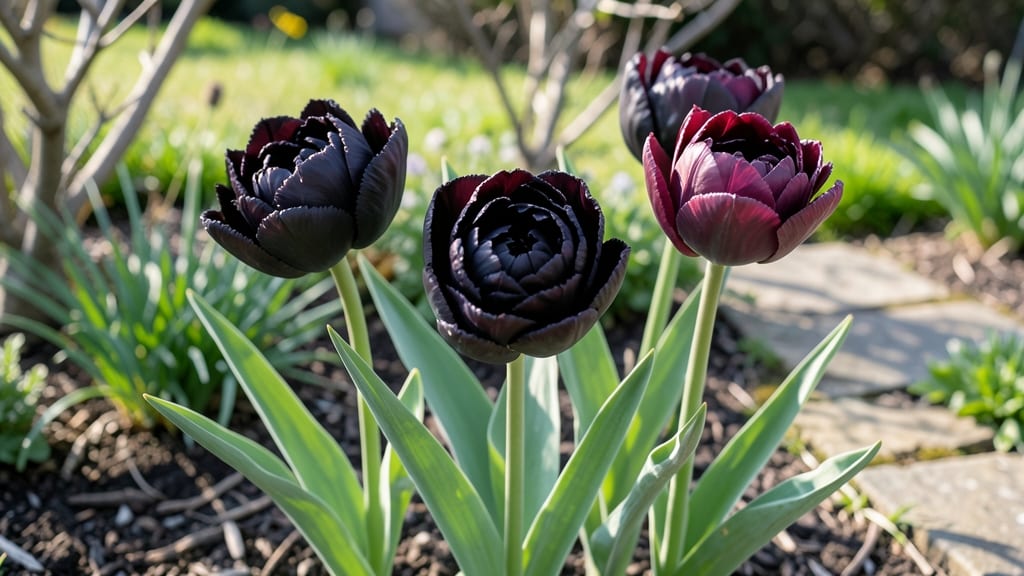
Double bloom tulips don’t just survive winter—they thrive and reward you with two flushes of flowers each season. 🌸 I’ve grown these varieties for years, and the secret lies in choosing the right cold-hardy types (like 'Queen of Night' or 'Darwin Hybrid' mixes) that bounce back after their first cut.
The payoff? Stunning, long-lasting blooms that make every spring and fall feel like a second showstopper.
Planting them in well-draining soil with full sun (6+ hours daily) sets the stage for their resilience. Space bulbs 4-6 inches apart and plant them 6-8 inches deep—deeper in warmer climates to protect them from heat. The key to repeat blooms?
Deadheading spent flowers after the first flush (but before they form seeds) and feeding with a balanced fertilizer in early spring. Most gardeners overlook this step, which is why their tulips fade after one go.
You’ll notice the first flush of blooms in late spring, followed by a second, often smaller but equally lovely round in early summer. The trade-off? These varieties need a bit more care than single-bloomers—they’re not as fuss-free.
But the reward—watching your garden transform twice—makes it worth the effort. Even in colder zones, these tulips come back year after year with minimal fuss.
Troubleshooting is simple: yellowing leaves? Too much water. Flopping stems? Add a stake or trellis. And if pests like tulip firefly larvae (those orange beetles) show up, handpick them or use neem oil.
The good news? Double bloomers are disease-resistant and handle winter better than most, so they’re a low-maintenance luxury for any garden. Ready to try them?
📚 In This Guide
- What you need
- Instructions
- Tips and common mistakes
- Wrapping up and next steps
What you need
- ● Double bloom tulip bulbs: Choose cold-hardy varieties like 'Queen of Night' or 'Darwin Hybrid' (3–5 bulbs per planting spot).
- ● Well-draining soil: Mix 50% garden soil with 50% compost or perlite (1–2 cubic yards for a 4’x4’ bed).
- ● Organic fertilizer: A 5-10-10 NPK blend (1 cup per 10 sq ft) or bulb-specific fertilizer.
- ● Mulch: Straw or shredded leaves (2–3 inches) to protect bulbs in winter.
- ● Watering can or hose: With a gentle spray nozzle (avoid heavy pressure).
- ● Trowel or bulb planter: For digging holes 6–8 inches deep (6–8 inches apart).
- ● Garden gloves: To protect hands while handling soil/bulbs.
- ● Pruning shears: Sharp, sterilized shears for cutting spent blooms (leave 2–3 leaves per stem).
- ● Ruler or measuring tape: To ensure proper spacing/depth.
- ● Bulb fertilizer spikes: Slow-release nutrients for convenience.
- ● Soil pH tester: Aim for 6.0–7.0 (tulips prefer slightly acidic soil).
- ● Drip irrigation system: For consistent moisture (especially in dry climates).
- ● Frost cloth: Lightweight cover for early spring protection.
How to grow double bloom tulips for season-long color
Here's the method I use to coax those stunning double blooms back year after year—no black thumb required.
🌱 Step 1: Select Cold-Hardy Double Bloom Varieties
Look for varieties like 'Queen of Night' or 'Double Early Red' that thrive in USDA Zones 3-8. These cold-resistant types handle winter dormancy better than single-bloomers and reward you with two flushes of flowers per season. I always buy certified disease-free bulbs—cheap ones often arrive shrunken or moldy, which kills reblooming potential.
Check the bulb size is at least 12 inches tall when planted. Smaller bulbs produce fewer blooms and weaker stems. Store them in a cool, dry place (40-50°F) until planting—never refrigerate them, as that triggers premature sprouting.
☀️ Step 2: Plant in Late Fall for Winter Chilling
Plant bulbs 6-8 weeks before ground freezes—typically October in most climates. Choose a spot with full sun (6+ hours daily) and well-draining soil. Double bloomers need excellent drainage to prevent rot, which is their #1 killer. Amend heavy clay soil with 2 inches of compost mixed into the top 6 inches of soil.
Dig holes 6-8 inches deep and space bulbs 4-6 inches apart. Plant with the pointed end up—this ensures proper root development. Cover with soil, then water deeply to settle everything. The key here is letting nature handle the winter chilling; don't rush planting.
💧 Step 3: Water and Fertilize for First Bloom
Water bulbs once every 2-3 weeks during dormancy (fall through early spring) to keep soil slightly moist but never soggy. Once shoots appear in spring, increase watering to 1 inch per week. Double bloomers need consistent moisture to develop strong stems for their second bloom cycle.
Apply a balanced 10-10-10 fertilizer when shoots reach 4 inches tall. Use half the recommended dose—too much fertilizer burns roots and reduces reblooming. I top-dress with a 1-inch layer of mulch to retain moisture and suppress weeds without smothering the emerging stems.
✂️ Step 4: Deadhead and Feed for Second Bloom
After the first bloom fades, cut the spent flowers back to the first set of leaves but leave the foliage intact. This might look counterintuitive, but the leaves photosynthesize energy for next year's blooms. Double bloomers need this foliage to store nutrients for their second flush.
Apply another light feeding of 10-10-10 fertilizer after the first bloom and again when the second flower buds form. Water deeply after fertilizing to help roots absorb nutrients. If your tulips produce a second bloom, enjoy it—but don't cut it back. Let the foliage die back naturally before removing it completely.
⏰ Step 5: Prepare for Next Year's Blooms
After the foliage yellows and dies back in late summer, cut it back to 2 inches above ground level. This prevents disease and makes next year's planting easier. Mark the spot if you're unsure where you planted them—tulip bulbs multiply over time, and you'll want to avoid disturbing new offsets.
For established clumps, divide bulbs every 3-4 years in early summer when foliage turns yellow. Dig up the clump, separate the bulbs, and replant the largest ones. Smaller bulbs take longer to bloom, so I always replant the biggest ones for immediate color. Store any extras in a cool, dry place until fall planting season.
Tips & tricks for cold-resistant double bloom tulips
These simple strategies will help you coax the most vibrant, repeat blooms from your tulips—no gardening degree required.
Variety Matters: Stick to certified disease-free bulbs that are at least 12 inches tall when planted. I've learned the hard way that smaller bulbs rarely produce that second bloom cycle. Look for varieties like 'Queen of Night' or 'Double Early Red'—these cold-hardy types thrive in USDA Zones 3-8 and handle winter dormancy like champs.
Planting Precision: The 6-8 inch depth and 4-6 inch spacing in Step 2 aren't arbitrary—they create the perfect balance between root development and air circulation. Use a bulb planter or even a long screwdriver to get that consistent depth. I mark my planting spots with small flags so I don't accidentally disturb them when winter comes.
Watering Wisdom: Those 2-3 week waterings during dormancy might seem excessive, but they're crucial for establishing strong roots before spring. Once shoots appear, the 1 inch per week rule becomes your new mantra—especially important for double bloomers that need extra moisture to support their second flush. I use a rain gauge to track this precisely.
Fertilizer Timing: The half-dose of 10-10-10 fertilizer when shoots reach 4 inches tall is where the magic happens. Too much too soon burns roots, but this balanced approach gives them exactly what they need without overwhelming them. I always water deeply after fertilizing to help the nutrients reach those developing roots.
Pro Tips for Double Bloom Tulips
- These simple strategies will help you coax the most vibrant, repeat blooms from your tulips—no gardening degree required.
- Variety Matters: Stick to certified disease-free bulbs that are at least 12 inches tall when planted.
- Planting Precision: The 6-8 inch depth and 4-6 inch spacing in Step 2 aren't arbitrary—they create the perfect balance between root development and air circulation.
Frequently asked questions
about double bloom tulips—because every gardener deserves clarity!Do double bloom tulips need special care after the first bloom?
Not at all! These cold-hardy varieties thrive with minimal fuss. After the first bloom fades, simply leave the foliage until it yellows naturally (about 6–8 weeks). This ensures energy stores for next year’s two blooms. Avoid cutting stems until leaves brown—it’s their secret to rebounding!
When is the best time to plant double bloom tulips for maximum blooms?
Plant bulbs in fall (October–November), when soil temps drop to 50–60°F. This mimics their natural dormancy cycle. For cold climates (Zones 3–7), aim for 6 weeks before frost. In warmer zones, opt for late winter planting to avoid summer heat stress. Pro tip: Chill bulbs in the fridge for 8–12 weeks if planting early!
Can I force double bloom tulips indoors for early blooms?
Start by chilling bulbs in a cool, dark place (35–45°F) for 10–12 weeks. Then, pot them in well-draining soil and place in bright, indirect light (no direct sun yet!). Once sprouts emerge, move to a sunny windowsill. Expect blooms in 4–6 weeks. Just remember: Indoor forcing weakens bulbs—plant them outdoors after blooming to revive them for next year.
Why did my double bloom tulip only flower once this year?
Common causes include:
- Premature stem cutting: Never trim stems until foliage yellows!
- Overcrowding: Dig up and divide bulbs every 3–4 years.
- Poor drainage: Tulips hate soggy soil—amend with sand or gravel.
- Lack of sunlight: They need 6+ hours of sun daily.
Are there double bloom tulip alternatives for small gardens?
Yes! Try these space-saving options:
Variety
Height
Color
‘Double Early Harmony’
12–14"
Pink
‘Queen of Night’
14–16"
Deep purple
‘Apeldoorn’
10–12"
Red
Wrapping up and next steps
Double bloom tulips are a game-changer for gardeners who love bold, repeat performances—even after their first cut! 🌸 Their cold-hardy nature and stunning double petals make them a must-have for any spring display.
Whether you're a seasoned gardener or just starting, these resilient beauties reward patience with extraordinary color and longevity.
Ready to transform your garden? Start by choosing your favorite cold-resistant variety, then plant with confidence—your future blooms will thank you! Check out our planting tips to get started today.