
Blooming
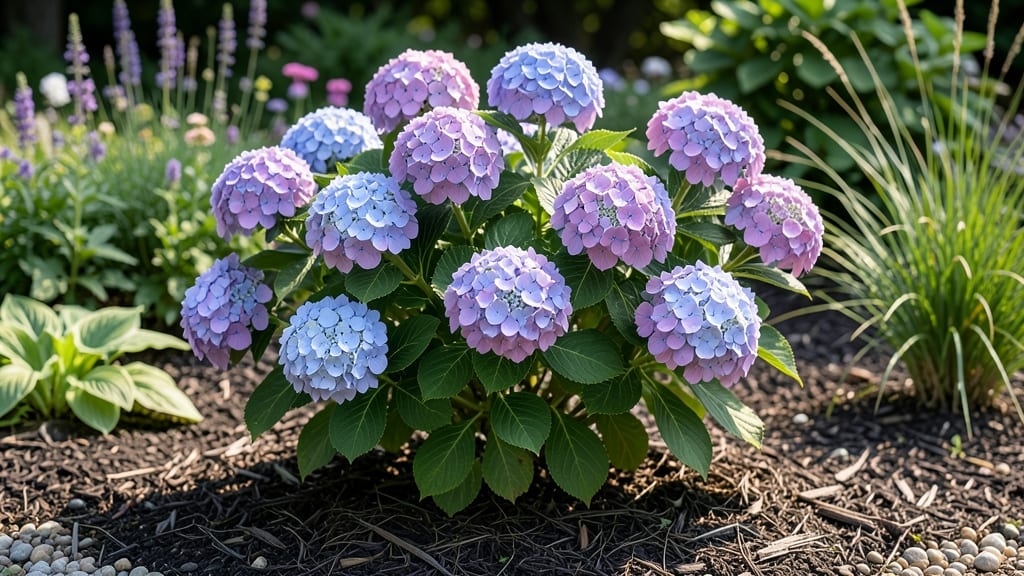
Endless bloom hydrangeas don't just flower once—they keep going all season long. 🌸 The secret lies in understanding how heat triggers their second flush of blooms, and I’ve cracked the code after years of trial and error in my own garden.
These hydrangeas thrive in partial shade, but they need consistent moisture to keep those blooms vibrant. I’ve found that mulching around the base helps retain water while keeping roots cool—critical for those heat-triggered reblooms. The key is balancing sunlight and hydration without letting the soil dry out completely.
By summer’s end, you’ll have clusters of blooms that last from early June through frost. The color shifts with soil pH, so you can even experiment with blue or pink blooms by adjusting your fertilizer. It’s like having a living, breathing bouquet that never quits.
Works beautifully in containers or garden beds, and they’re surprisingly low-maintenance once established. Let’s get those blooms going strong!
📚 In This Guide
- What you need
- Instructions
- Tips and common mistakes
- Wrapping up and next steps
What you need
- ● Endless Bloom Hydrangea Plants: 1-3 nursery-grown bushes (choose Hydrangea macrophylla varieties like 'Endless Summer,' 'Blushing Bride,' or 'Vanille Fraise').
- ● Well-Draining Potting Mix: 5-10 gallons (for containers) or amend garden soil with 2-3 inches of compost or organic matter (e.g., peat moss, coconut coir, or aged bark).
- ● Slow-Release Fertilizer: 1 lb of balanced granular fertilizer (10-10-10 or 20-20-20) or hydrangea-specific pellets.
- ● Mulch: 2-3 inches of organic mulch (e.g., shredded bark, pine straw, or wood chips) to retain moisture and regulate soil temp.
- ● Watering Can or Hose: With a gentle spray nozzle (or a drip irrigation system for large gardens).
- ● Gloves & Pruners: Bypass pruners (sharp, clean) and gardening gloves for safety.
- ● pH Test Kit: To monitor soil pH (aim for 5.2–6.0 for blue flowers or 6.0–7.0 for pink blooms).
- ● Sunlight Spot: Partial shade (morning sun + afternoon shade) in Zones 3–9 (or afternoon shade in hotter climates).
- ○ Container (Optional): 15–20 gallon pot with drainage holes if growing in pots.
- ○ Aluminum Sulfate or Lime (Optional): For adjusting pH (follow package instructions carefully!).
Instructions for encouraging endless bloom in hydrangeas
Here's how to coax those showstopping repeat blooms from your hydrangeas—no matter your growing zone.
🌱 Step 1: Prune Last Year's Wood to Spark New Growth
Hydrangeas need a clean slate to produce fresh blooms. Grab your pruning shears and cut back 1/3 of the oldest stems right at the base in early spring. These are the thickest, woody stems that produced last year's flowers. I always prune these first—they're the ones that hogged energy and prevented new blooms from forming.
Leave the younger, thinner stems alone for now. These are your future bloom producers. You'll know you're doing it right when you see fresh green growth emerging from the base of the plant within 2-3 weeks. If you see no new growth after that, you may have pruned too aggressively—next time, hold back a few more stems.
☀️ Step 2: Feed and Water for Maximum Bloom Production
Endless bloom hydrangeas need consistent moisture and nutrients. Water deeply once a week until the soil is 6-8 inches deep and damp, then let it dry slightly before watering again. I use a rain gauge to track rainfall—if we get 1 inch of rain, I skip the watering. Too much water stresses the plant and leads to weak stems.
Apply a balanced 10-10-10 fertilizer in early spring and again after the first flush of blooms appears. I sprinkle it around the base and water it in immediately. This gives the plant a steady supply of nutrients without overwhelming it. If your soil is acidic (pH 5.5-6.0), add aluminum sulfate to intensify blue blooms or lime to shift toward pink.
✂️ Step 3: Deadhead and Shape for Continuous Flowering
Here's where the magic happens: deadheading. As soon as blooms fade, snip off the spent flower heads with clean pruners. This removes the seed heads that would otherwise signal the plant to stop producing flowers. I make my cuts just above the first set of leaves below the bloom—this encourages new growth from that spot.
While you're at it, shape the plant by removing any crossing or rubbing branches. These compete for sunlight and nutrients, weakening the plant's ability to produce blooms. Aim for an open, airy shape that lets light reach all the stems. You'll see new flower buds forming within 4-6 weeks if you've pruned at the right time.
⏰ Step 4: Time Your Late-Season Pruning for Fall Rebloom
For a second flush of blooms in late summer or fall, give your hydrangeas a light pruning in early July. Cut back 1/4 of the oldest stems again, but this time focus on the stems that bore the first flush of flowers. This trick works because the plant interprets the pruning as a signal to produce new blooms before winter.
Stop fertilizing after mid-summer to let the plant harden off. I also reduce watering slightly in late summer to encourage root development. If you live in a warm climate (zones 7-9), you might even see a third flush of blooms if you keep the plant healthy and well-watered.
🌿 Step 5: Protect and Prepare for Next Season
As temperatures drop below 40°F, it's time to protect your hydrangeas. I wrap the base of the plant with 2-3 inches of mulch to insulate the roots. This keeps the soil temperature stable and prevents frost heave, which can damage stems.
In late winter, before new growth appears, give the plant a final check. Remove any dead or diseased stems and prune back any remaining old wood. This keeps the plant tidy and ready to burst into bloom next season. If you've followed these steps, you'll have hydrangeas that keep flowering from early summer well into fall.
Tips & tricks for perfect endless bloom hydrangeas
Real talk: These small tweaks make all the difference between hydrangeas that bloom once and ones that put on a show all season.
Pruning Precision: When you cut back that 1/3 of oldest stems in Step 1, look for stems that are pencil-thick or thicker—these are the energy hogs. I use a sharp pair of pruners and make clean cuts at a 45-degree angle about 1/4 inch above a leaf node. This prevents water from pooling and causing rot, which can happen if you cut too close. The goal is to create a fresh, open center that lets sunlight reach all stems—this is what triggers new growth within those critical 2-3 weeks.
Watering Wisdom: That "once a week" guideline in Step 2 can be tricky—especially in clay pots or sandy soil. Stick your finger 2 inches into the soil after watering. If it feels dry, water again. I've learned the hard way that hydrangeas hate soggy roots but also can't handle drought stress. A soaker hose or drip irrigation system makes this easier and delivers water right to the roots where it's needed most. Consistency is key—hydrangeas respond best when moisture levels stay stable.
Deadheading Done Right: In Step 3, when you're deadheading, don't just snip off the flower head—cut just above the first set of leaves below the bloom. This is where new flower buds will form. I use clean pruners and make the cut at a slight angle to prevent water from sitting on the stem. The sooner you deadhead after blooms fade, the sooner you'll see new buds forming within those 4-6 weeks. Pro tip: If you're getting ready for fall rebloom, wait until after the first flush of flowers has completely faded before deadheading.
Seasonal Soil Secrets: Remember those soil pH adjustments in Step 2? Test your soil in early spring before fertilizing. I use a simple home test kit that costs under $10. If your soil is too alkaline (above 6.0), add aluminum sulfate to intensify blue blooms. For pink blooms, add lime to raise the pH slightly. The timing matters too—apply these amendments in early spring when the plant is actively growing. In late summer, when you're reducing watering, also cut back on fertilizer to let the plant focus on root development rather than leafy growth.
Pro Tips for Endless Bloom Hydrangea
- Real talk: These small tweaks make all the difference between hydrangeas that bloom once and ones that put on a show ...
- Pruning Precision: When you cut back that 1/3 of oldest stems in Step 1, look for stems that are pencil-thick or thic...
- Watering Wisdom: That "once a week" guideline in Step 2 can be tricky—especially in clay pots or sandy soil. Stick yo...
Frequently asked questions
Why do my Endless Bloom hydrangeas stop flowering in late summer?
Endless Bloom hydrangeas are heat-sensitive! Once temps drop below 60°F (15°C) for a few days, they trigger their second bloom—but if summer heat lingers past early fall, they may fade. Prune after blooms fade in fall to encourage next year’s flowers. Pro tip: Mulch roots to regulate soil temps!
Can I grow Endless Bloom hydrangeas in full sun?
Yes, but with caution! These beauties prefer morning sun + afternoon shade in hot zones (7-9). In full sun, they may bolt (flower early) or scorch. Test your spot: If leaves crisp by noon, add shade cloth or plant near a fence/tree. Zone 4-6? They’ll handle more sun!
When’s the best time to prune Endless Bloom hydrangeas?
Prune right after the first bloom cycle (late spring) to shape and encourage reblooms. Never prune in fall or winter—you’ll cut off next year’s buds! For drastic reshaping, wait until early spring (before new growth starts). Key rule: Never trim more than 1/3 of the plant at once!
How often should I water Endless Bloom hydrangeas?
Keep soil consistently moist (1-2 inches deep) but not soggy. Water deeply 2-3x/week in summer (more in containers). Yellowing leaves? Likely underwatered or overwatered. Check soil moisture with your finger—if top 2 inches are dry, it’s time to water!
What’s the best alternative if my Endless Bloom hydrangea struggles in my climate?
Try these reblooming hydrangea varieties for different zones:
- ‘Limelight’ or ‘Little Lime’ (Zones 3-9): More heat-tolerant, compact options.
- ‘Vanille Fraise’ (Zones 4-9): Disease-resistant with fragrant blooms.
- ‘Nikko Blue’ (Zones 5-9): Classic mophead for cooler climates.
Wrapping up and next steps
Transforming your garden with Endless Bloom Hydrangeas is simpler—and more rewarding—than you think! 🌸 By mastering their heat-triggered rebloom secrets, you’ll enjoy vibrant blooms from spring to frost, even in challenging zones.
Whether you’re pruning like a pro or adjusting soil pH, every step brings you closer to a lush, low-maintenance landscape.
Ready to bloom with confidence? Start small—pick one hydrangea this season, apply these tips, and watch your garden flourish. Your next step? Grab those shears and get growing! 🌿