
Flowers
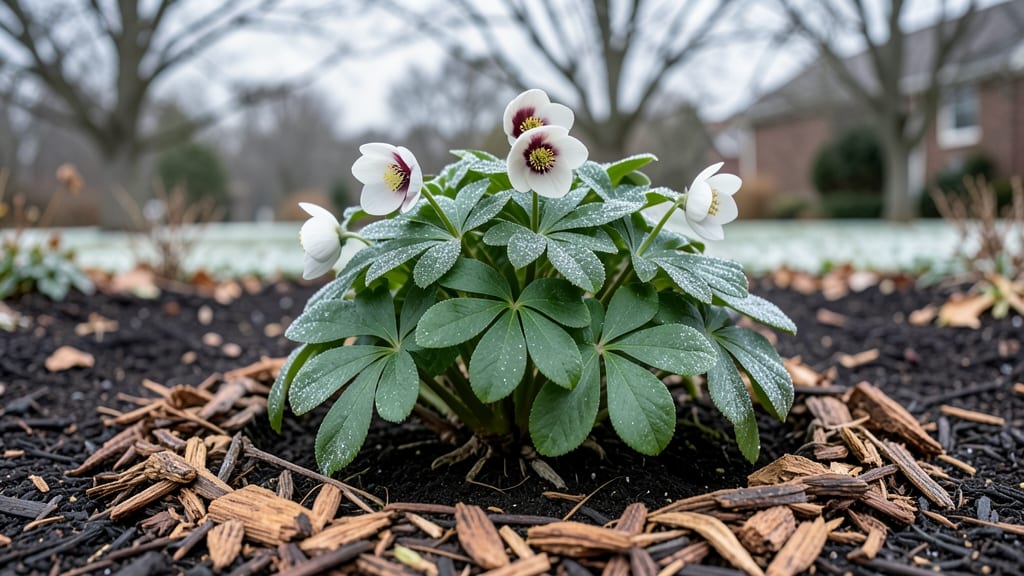
Blooming flowers in winter outside can transform your yard into a vibrant escape when most gardens lie dormant.
Winter gardens don’t have to be dull—discover the stunning cold-hardy flowers that defy frost and bring vibrant color to your outdoor spaces when most plants are dormant. Imagine bright yellow Winter Jasmine 🌸 lighting up your landscape as early as February, or delicate snowdrops peeking through the snow.
Choosing the right flowers for winter means selecting varieties that thrive in USDA Zone 6a or colder, with proper care to protect them from harsh winds and late frosts.
Whether you're planting in September or October, the key is selecting hardy shrubs and perennials that can handle freezing temperatures while still delivering seasonal color.
In this guide, you’ll learn which flowers bloom reliably in winter, how to plant them for maximum impact, and practical tips to extend their bloom season—so your garden stays beautiful even when the mercury drops.
Top 10 cold-hardy flowers that bloom in winter outside
When most gardens look barren under winter’s chill, cold-hardy flowers burst into color, offering a lifeline of beauty. These resilient plants thrive in USDA Zones 3-8 and beyond, blooming even when temperatures dip below freezing.
Whether you're in a snowy climate or a mild winter region, these winter-blooming flowers will transform your outdoor spaces into vibrant winter wonderlands.
From fragrant shrubs to hardy perennials, these top 10 winter flowers are selected for their frost tolerance, low-maintenance care, and seasonal interest. Many also attract pollinators, adding an extra layer of ecological benefit to your garden.
Let’s explore the best options for year-round color, starting with a quick comparison of their key features.
Winter Jasmine is a standout choice for its bright yellow flowers that appear in late winter, often before spring arrives. This shrubby climber thrives in USDA Zones 3-8 and handles sub-zero temperatures with ease. Plant it in well-draining soil and provide morning sunlight to extend its bloom period. Its fragrant blooms also attract early pollinators like bees, making it a functional addition to your winter garden.
Hellebores, or Lenten Roses, are another winter-blooming perennial that excels in shady spots. These evergreen foliage plants produce delicate flowers in shades of white, pink, and purple from January through April. They’re perfect for woodland gardens or areas where full sun isn’t an option. Hellebores also self-seed, ensuring your garden stays colorful for years.
For early winter
How to choose and plant winter-blooming flowers for maximum impact
Choosing the right winter-blooming flowers transforms your garden into a vibrant winter wonderland. These hardy plants thrive in cold temperatures and provide year-round color when most gardens are dormant. The key is selecting varieties that match your USDA hardiness zone and preparing your soil properly for winter resilience.
Before planting, prioritize cold-hardy perennials like Winter Jasmine or Hellebores, which survive frost and bloom early. These plants need well-draining soil and full sun exposure to store energy for winter growth. Start by amending your soil with organic compost to improve drainage and nutrient retention.
Step-by-Step Guide to Planting Winter Flowers
- 1 Select the right varieties: Choose Zone 5-9 hardy flowers like Winter Aconite or Snowdrops. These thrive in 20°F (-7°C) and below.
- 2 Prepare the soil: Test soil pH (aim for 6.0-7.0) and mix in 3 inches of compost for nutrients. Ensure well-draining soil to prevent root rot in winter.
- 3 Plant in fall: Transplant bare-root plants in September-October to establish roots before frost. Space shrubs 3-5 feet apart for airflow.
- 4 Mulch heavily: Apply 4-6 inches of mulch (straw or shredded leaves) to insulate roots. Replenish mulch in late winter before blooming.
- 5 Add winter protection: Use burlap wraps or frost cloth for tender varieties. Secure with stakes to prevent wind damage during freeze events.
- 6 Water sparingly: Reduce watering in winter months but keep soil slightly moist. Water in morning to prevent ice buildup on foliage.
- 7 Prune after blooming: Trim dead flowers in early spring to encourage new growth. Avoid pruning in late fall to preserve winter protection.
Arrange your winter bloomers for seasonal interest by pairing early bloomers like Snowdrops with late-winter varieties such as Winter Honeysuckle. Place taller plants like Winter Jasmine at the back of borders and shorter varieties like Hellebores in the front for layered visual impact.
For container gardening, choose compact varieties like Winter Pansies or Cyclamen. Use insulated pots with heat-retaining materials and group containers together to create a microclimate that protects roots from extreme cold.
With these steps, your winter garden will burst with color and fragrance even when snow blankets the ground. The secret lies in proper preparation and selecting plants that embrace winter’s chill—just like you do!