
Blooming
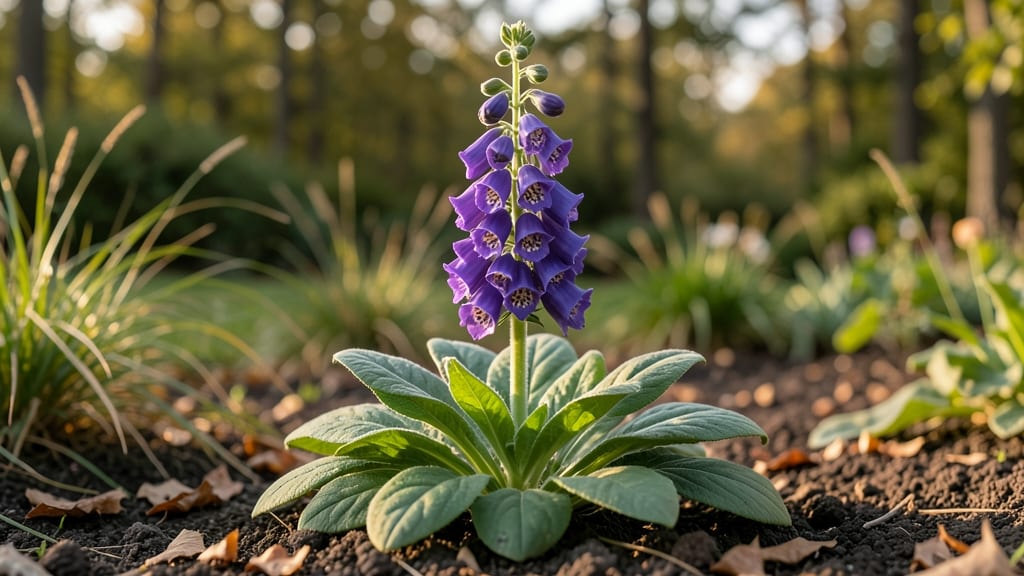
Foxglove blooms typically appear between late spring and early summer, but timing depends on your variety and USDA zone—getting it right means stunning vertical displays for months.
Picture this: you’ve waited all year for those iconic bell-shaped blooms 🌸, only to find your foxglove standing tall with nothing but foliage. The frustration? It’s all about the variety and growing conditions.
Some bloom in their first year, while others wait until their second, and a wrong zone can push flowers into fall—or cancel them entirely.
In USDA Zone 6a (like much of the Midwest), most foxgloves start flowering in June, with some varieties stretching into August. But in warmer zones, the season shifts earlier, and in colder ones, it may linger later—or never happen if the plant struggles to establish.
The key is understanding your specific foxglove’s needs and tweaking the environment just right.
Inside, you’ll find a breakdown of bloom times by popular varieties, how to adjust for your climate, and three proven tricks to coax earlier or longer flowers—so you’re not left staring at green stems when the neighbors’ gardens are in full bloom.
Foxglove bloom time by popular varieties: when to expect flowers
Foxglove (Digitalis) is famous for its dramatic bell-shaped blooms, but timing can be tricky. Some varieties flower in first year while others wait until second year. The key difference lies in whether they're biennial or perennial types.
Biennials like 'Pamela' often bloom in their second year, while perennials like 'Excelsior' may reward you sooner. Let's break down what to expect from your favorite varieties.
Understanding bloom patterns helps you plan your garden layout. For example, tall varieties like 'Giant Candlesticks' need space, while compact types like 'Dalmatian' work well in borders. Most foxgloves bloom in late spring to summer, but cooler climates may see blooms stretching into early fall.
The secret to predictable blooms? Proper light exposure and soil moisture.
📌 Critical Tip: Foxgloves store energy in their roots. First-year plants focus on foliage growth while second-year plants prioritize flower production. This biennial pattern is why patience pays off with foxgloves.
| Variety | Type | First Bloom Year | Bloom Season | Height (ft) | Color |
|---|---|---|---|---|---|
| 'Pamela' (D. purpurea) | Biennial | Second year | June-August | 3-5 | Pink/white |
| 'Excelsior' (D. grandiflora) | Perennial | First or second year | July-September | 4-6 | Yellow |
| 'Giant Candlesticks' | Biennial | Second year | June-July | 5-6 | Purple |
| 'Dalmatian' | Perennial | First year | May-June | 2-3 | White/purple |
| 'Black Beauty' | Biennial | Second year | July-August | 4-5 | Deep purple |
| 'Camelot' | Perennial | First or second year | June-August | 3-4 | Bicolored |
| 'Alba' | Biennial | Second year | June-July | 3-4 | Pure white |
| 'Sutton's Apricot' | Perennial | First year | May-June | 2-3 | Apricot |
| 'Foxglove' (D. obscura) | Perennial | First year | May-July | 2-3 | Purple |
| 'Yellow Rocket' | Biennial | Second year | July-August | 4-5 | Yellow |
Perennial varieties like 'Dalmatian' often surprise you with first-year blooms, while biennials like 'Giant Candlesticks' demand patience. The color spectrum ranges from pure white ('Alba') to deep purples ('Black Beauty') and even rare yellows ('Excelsior').
If you're in cooler climates (Zones 3-5), expect blooms to arrive 2-4 weeks earlier than in warmer regions.
For reliable second-year blooms, sow seeds in early spring or late summer. The key is giving plants enough time to establish strong root systems before winter.
In warmer zones (7-9), some varieties may bloom year-round if conditions are ideal. However, foxgloves typically rest in summer heat and rebound with cooler weather.
Did you know? Deadheading spent blooms can encourage continuous flowering throughout the season. Simply snip off faded flower spikes just above a set of leaves. This simple trick extends your foxglove's showtime by 4-6 weeks in many varieties.
Just avoid cutting into the seed pods if you want to collect seeds for next year.
Light conditions dramatically affect bloom timing. Partial shade (4-6 hours
How USDA Zones affect foxglove bloom time: adjusting expectations
Your USDA zone plays a huge role in when your foxglove (Digitalis) will bloom. In cold climates (Zones 3-4), expect flowers as early as late May to June, while warmer zones (7-9) often see blooms stretching from March to May.
These differences come from frost timing, daylight hours, and temperature cues that trigger flowering.
Cold stratification—chilling seeds for 4-6 weeks—mimics winter conditions and can push blooms 2-4 weeks earlier in Zones 5-6. Without this step, biennial varieties might delay flowering until their second year. Early spring frosts in Zones 3-5 can also nip buds, so timing matters.
| USDA Zone | Typical Bloom Window | Cold Stratification Needed? | Frost Risk |
|---|---|---|---|
| 3-4 | Late May–June | ✅ Yes (4-6 wks) | ❄️ High (May frosts) |
| 5-6 | Early June–July | ✅ Optional (boosts blooms) | ❄️ Moderate (late spring) |
| 7-8 | March–April | ❌ No (warm winters) | ❄️ Low (rare) |
| 9-10 | February–March | ❌ No (year-round growth) | ❄️ None |
In Zones 7-9, foxglove often blooms earlier because milder winters prevent dormancy. To extend blooms, plant in partial shade to avoid heat stress. In Zones 3-5, mulch heavily to protect roots from late-season frosts that can cut blooms short.
For second-year blooms, sow seeds in late summer (Zones 3-6) so they experience winter chilling. In Zones 7+, treat foxglove as a short-lived perennial—blooms may appear year-round with minimal care, but deadhead spent flowers to encourage reblooming.
Pro tip: Shade cloth in Zones 8-10 can delay bolting and stretch the bloom season. Pair foxglove with ferns or hostas to shield it from harsh afternoon sun, which can stress plants and shorten flowering.
Adjust your expectations based on your zone, but don’t stress—foxglove is forgiving! With the right prep, you’ll enjoy those iconic bell flowers for weeks, no matter where you garden. 🌸