
Blooming
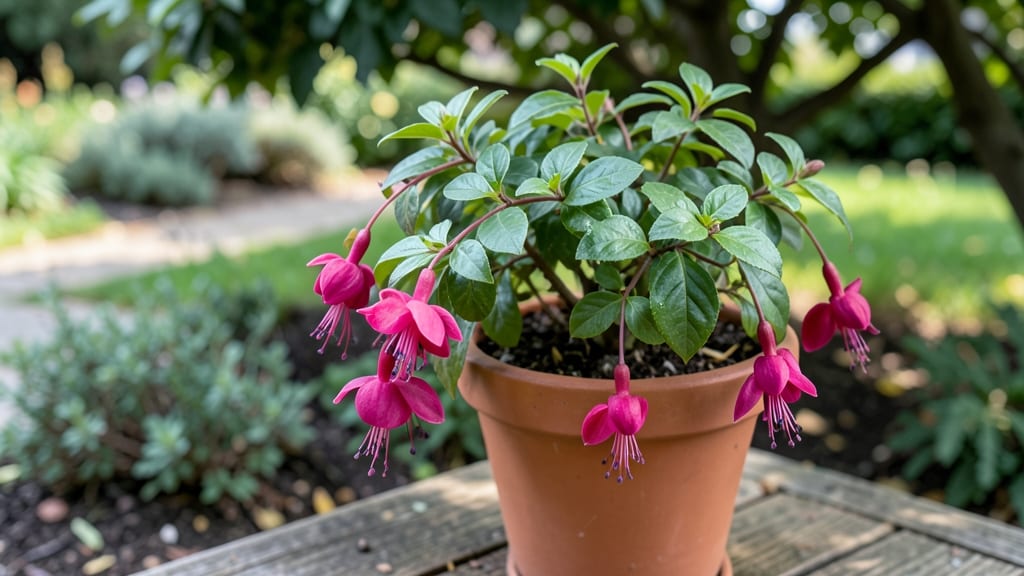
The fuchsia bloom time can stretch from late spring to fall in most climates—but with the right tricks, you can coax a stunning second flush of flowers 🌸 — even from plants that seem done for the year.
Did you know fuchsias can bloom twice in one season—but only if you trigger the right conditions? Understanding the science behind fuchsia bloom time reveals how heat exposure, pruning, and seasonal shifts can extend their show well into autumn.
Most gardeners assume fuchsias follow a strict schedule, but temperature swings and strategic pruning can reset their bloom cycles. Whether you're in USDA Zone 6a or a warmer region, these insights will help you maximize your plants' potential.
From heat triggers to pruning hacks, I’ll walk you through the exact steps to keep your fuchsias flowering longer—no guesswork, just science-backed results.
Natural heat triggers that extend fuchsia bloom time
Fuchsias are notorious for their seasonal bloom cycles, but with the right heat triggers, you can coax a second flush of flowers even in temperate climates. The secret lies in understanding how temperature fluctuations stimulate natural dormancy-breaking hormones.
When day and night temperatures align with fuchsias' ideal 60-75°F range, they respond by producing more buds and extending their blooming season.
In USDA zones 7-11, gardeners can leverage summer heat waves to reset bloom cycles. A sudden 5-10°F temperature drop after a hot spell mimics nature's way of signaling fuchsias to produce new growth.
This works especially well for tender varieties like 'Giant Marble' or 'Lady Boothby' that thrive in warmer climates but can still respond to these triggers in cooler regions.
🌡️ Temperature thresholds matter most: Daytime highs of 80-85°F followed by cool 55-65°F nights create the perfect contrast. This fluctuation tells the plant it's time to pause current blooming and prepare for a new cycle. Without this contrast, fuchsias may produce fewer flowers or stop blooming entirely.
For gardeners in zones 7-9, timing is everything. Late summer heat waves (August-September) often provide the ideal conditions.
In zones 10-11, where temperatures stay warm year-round, you'll need to create these fluctuations artificially by moving plants to shadier spots during peak afternoon heat or using lightweight shade cloth.
| Climate Zone | Ideal Day Temp | Ideal Night Temp | Best Trigger Time | Second Flush Window |
|---|---|---|---|---|
| Zones 7-8 | 75-80°F | 55-60°F | Late August | September-October |
| Zones 9-10 | 80-85°F | 60-65°F | Early September | October-November |
| Zone 11 | 85-90°F | 65-70°F | Mid-September | November-December |
| Container Growers | 70-75°F | 50-55°F | Adjustable | Flexible timing |
One of the most effective natural heat triggers is what scientists call thermomorphogenesis—the plant's response to temperature changes. When fuchsias experience a 10°F drop at night after hot days, their ethylene hormone levels spike, which signals the plant to produce new growth points.
This is why fuchsias often bloom heavily after a heat wave followed by cooler nights.
To maximize this effect, I recommend monitoring your local weather patterns. Use a minimum-maximum thermometer near your fuchsias to track daily fluctuations.
When you see consistent 10°F swings, that's your cue to reduce watering slightly (but keep soil moist) and avoid heavy pruning—this helps the plant focus energy on producing new buds rather than leaf growth.
For gardeners in cooler microclimates (like high-elevation areas in zone 7), you can simulate heat triggers by moving potted fuchsias to a sunny windowsill during the day and bringing them back to shadier outdoor conditions at night. This mimics the natural temperature contrast without requiring extreme climate shifts.
One common mistake is assuming hotter always equals better for fuchsias. While they love warmth, consistent high heat above 90°F can actually stress the plant and reduce blooming. The key is fluctuation, not just high temperatures.
Even in zone 11 climates, where fuchsias can bloom year-round, they still need that nighttime cool-down to reset their cycles.
Pro tip: If your fuchsias are already blooming heavily and you want to encourage a second flush, wait until 50% of flowers have faded before implementing heat triggers. This gives the plant time to store energy in its roots, which it will then use to produce new growth.
Think of it like giving your fuchsias a natural pruning signal through temperature changes.
Finally, remember that soil temperature matters too. Fuchsias prefer soil temps between 65-75°F. If your ground stays too cool (common in northern zone 7 gardens), the plant won't respond as well to air temperature changes.
In these cases, mulch with straw to warm the soil gradually or use black plastic mulch to raise soil temperatures by 5-10°F.
With these natural heat triggers in your gardening toolkit, you can extend fuchsia bloom time by 4-6 weeks in most climates—and sometimes even longer with careful management.
Pruning strategies to reset bloom cycles for second flushes
Timing your fuchsia pruning with heat exposure is the secret to unlocking a second bloom cycle. When summer heat triggers natural dormancy signals, strategic cuts reset growth patterns, encouraging fresh flower buds just as temperatures begin to drop.
The key lies in understanding when to prune—late summer for hardy varieties or early fall for tender types—and how much to remove to stimulate reblooming.
Start by identifying healthy growth points—look for stems with at least 3-4 leaf nodes below your cut. These nodes hold dormant buds that will sprout into new branches, each capable of producing flowers.
For reblooming fuchsias, aim to reduce plant height by 30-50% while maintaining a balanced shape. This aggressive approach might feel drastic, but it mimics the plant's natural response to seasonal stress.
Step-by-Step Pruning for Second Flushes
- Step 1: Wait for heat stress signals—yellowing leaves or slowed growth in late August (Zone 7+) or early September (Zones 8-11).
- Step 2: Sterilize pruners with rubbing alcohol to prevent disease. Cut 45° angles just above leaf nodes using sharp bypass pruners.
- Step 3: Remove dead or diseased stems first, then prune 1/3 of total plant height. Focus on overcrowded centers to improve airflow.
- Step 4: Apply balanced fertilizer (10-10-10) 2 weeks post-pruning to fuel new growth. Water deeply at soil level to avoid wetting leaves.
- Step 5: Monitor for new buds in 4-6 weeks. If none appear, repeat pruning 2 weeks later but reduce cuts by 15%.
🌱 Pro Tip: Prune on overcast mornings to reduce stress on freshly cut plants.
After pruning, fuchsias enter a 4-6 week recovery phase where they focus on regenerating foliage before producing flowers. During this time, provide morning sunlight and evening shade to prevent heat stress.
In Zone 10+ climates, where winters are mild, you can even encourage year-round blooming by pruning lightly every 8 weeks.
Watch for new growth indicators like bright green leaves and swollen buds at stem tips. These signals confirm your pruning worked! For container-grown fuchsias, reduce pruning by 10% to prevent overcrowding in small pots. Always use well-draining soil mixes post-pruning to avoid root rot, which can halt reblooming entirely.
Remember: Patience is key. Some fuchsia varieties like 'Giant Marble' may take 8 weeks to show second flushes, while others like 'Lady Boothby' respond in 4-5 weeks.
Track your plant's progress with a simple journal noting pruning dates and weather conditions—this data helps refine your approach for future seasons.
With these techniques, your fuchsias will reward you with prolonged bloom cycles that extend well into fall or even early winter in warm climates. The secret lies in timing your cuts with nature's heat cues and giving your plants the support they need to bounce back stronger than ever.