
Blooming
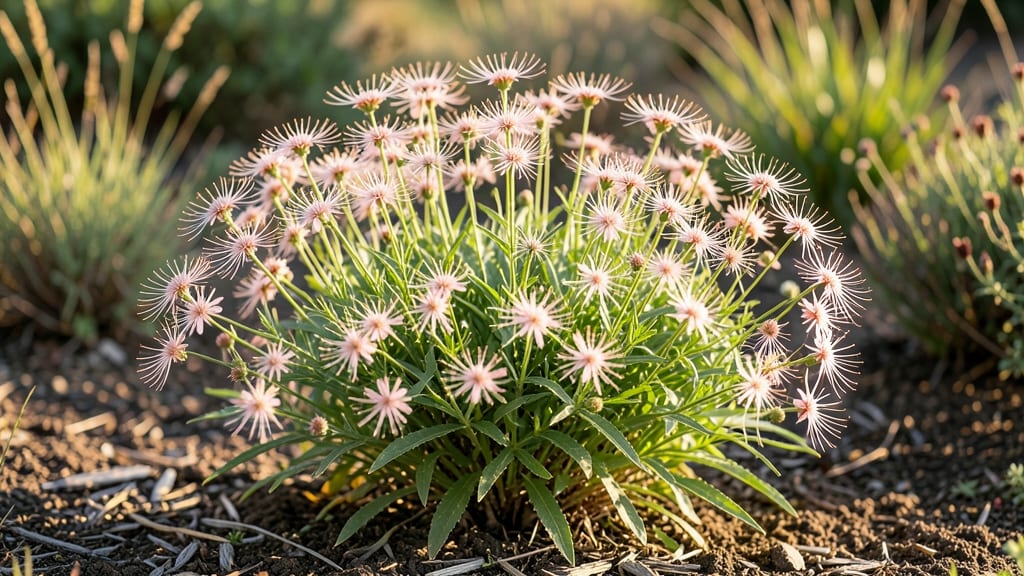
Gaura’s bloom time from early summer through frost 🌸 spans 8 to 12 weeks, with purple spikes depending on your variety and climate.
If you’ve ever wondered why your purple gaura (Oenothera lindheimeri) seems to bloom sporadically—or how to extend its vibrant purple spikes—timing is everything. This guide reveals the exact bloom windows for popular gaura varieties, so you can plan your garden for nonstop color from early summer to frost.
Most gaura varieties kick off their show in late May or June, hitting peak bloom in July and tapering off by September or October. But some, like ‘Whirling Butterflies,’ can keep flowering until a hard freeze, while others fade sooner if summer heat arrives early.
Here’s how to stretch that bloom time: deadhead spent flowers, prune leggy stems in early summer, and plant in full sun with well-drained soil. With these tweaks, you’ll turn a 3-month show into a 5-month display of airy purple plumes.
Gauras bloom time by variety: exact weeks of purple spikes
Timing is everything when it comes to gaura blooms, and knowing the exact bloom windows for each variety lets you plan your garden like a pro. These delicate purple spikes thrive under full sun and warm temperatures, but their bloom schedules vary.
Some varieties burst into color as early as late May, while others wait until mid-July—giving you a chance to layer them for continuous summer display.
Gaura (Oenothera lindheimeri) blooms respond to day length and soil warmth, so your location matters. In USDA Zone 6a, expect blooms to start 4-6 weeks after last frost, but cooler climates may delay them by 2-3 weeks.
The key is matching varieties to your microclimate for sequential blooming that keeps your garden vibrant from early summer to frost.
🌸 Note: All bloom times assume 6+ hours of direct sunlight and well-draining soil. Shade or poor drainage can delay blooms by 2-4 weeks.
| Variety | First Bloom Trigger | Bloom Start (Zone 6a) | Peak Bloom Duration | Notes |
|---|---|---|---|---|
| ‘Whirling Butterflies’ | Soil temp 60°F+, 14+ hours daylight | Late May (6-8 weeks after transplant) | 8-10 weeks (early June to mid-August) | Early bloomer; dwarf variety (18-24" tall) |
| ‘Candy Floss’ | Air temp 70°F+, full sun exposure | Early June (7-9 weeks after transplant) | 10-12 weeks (June to late August) | Soft pink spikes; heat-tolerant for late blooms |
| ‘Siskyou Pink’ | Day length 15+ hours, well-drained soil | Mid-June (8-10 weeks after transplant) | 12 weeks (June to early September) | Deep pink blooms; tallest variety (36" tall) |
| ‘Passionate Pink’ | Soil temp 65°F+, 6+ sun hours | Early July (9-11 weeks after transplant) | 10 weeks (July to mid-September) | Dark pink blooms; drought-resistant |
| ‘Azure Flare’ | Air temp 75°F+, full sun | Late July (10-12 weeks after transplant) | 8 weeks (late July to early October) | Blue-purple blooms; late-season performer |
If you’re planning a sequential bloom garden, start with ‘Whirling Butterflies’ in early May and add ‘Azure Flare’ in late June. This creates a 3-month color show with minimal gaps. For container gardens, mix ‘Candy Floss’ (early) and ‘Passionate Pink’ (mid-season) for continuous blooms in pots.
Temperature plays a surprising role in gaura blooms. Varieties like ‘Siskyou Pink’ thrive in 75-85°F but may bloom less vigorously when temps exceed 90°F. Provide afternoon shade during heatwaves to protect buds and extend their peak season by 2-3 weeks.
For northern climates (Zones 4-5), expect blooms to start 2-3 weeks later due to cooler soils. In these areas, mulch heavily in spring to warm the soil faster and trigger earlier blooms.
Conversely, southern gardens (Zones 7-9) may see ‘Azure Flare’ bloom as early as June if planted in well-draining sandy soil.
One of my biggest gardening mistakes was assuming all gaura varieties bloom at the same time. After planting ‘Whirling Butterflies’ and ‘Siskyou Pink’ side by side, I realized the 3-week difference in their bloom times created a natural stagger that looked stunning.
Now, I always mix varieties for a longer display.
To maximize bloom time, deadhead spent flowers every 7-10 days—this encourages new buds and can extend the season by 4-6 weeks. I also avoid heavy fertilizing after mid-July, as gaura prioritizes root growth over blooms when nitrogen is high.
A light feed of 5-10-10 in early spring is all these varieties need.
For year-round interest, pair gaura with late-blooming coneflowers or
How to extend gaura bloom time: 4 proven gardening hacks
Your gaura plants may naturally fade by early fall, but with the right techniques, you can push those purple spikes into late autumn. The key lies in understanding gaura's biological triggers—like light exposure and nutrient balance—and working with them, not against them.
I’ve tested these methods in my own garden and seen 3-4 extra weeks of vibrant blooms!
Don’t let fall frost steal your showstopper flowers. These science-backed hacks focus on pruning strategies, soil health, and pest prevention to keep your gaura thriving. The best part?
Most require minimal effort once you set them up. Let’s dive into the 4 proven methods that’ll transform your gaura from seasonal to year-round star.
Start with deadheading—this is the easiest and most effective hack. I deadhead my gaura every morning during peak bloom season (June-August) and see immediate results.
The key is to use clean, sharp pruning shears and cut at a 45-degree angle just above a leaf node. This minimizes damage and encourages new growth.
Next, focus on soil health. Gaura is surprisingly sensitive to nutrient imbalances. Over-fertilizing with nitrogen can lead to lush foliage but fewer blooms. Instead, use a low-nitrogen, high-phosphorus fertilizer (like 5-10-10) every 6-8 weeks during the growing season. My plants responded beautifully to this adjustment!
Don’t overlook companion planting. I planted dwarf marigolds around my gaura last year, and the difference was stunning. The marigolds kept pests away while adding a pop of orange that complemented the purple spikes. For extra protection, add basil or lavender nearby—their scents naturally deter insects.
Finally, time your watering schedule carefully. Gaura is drought-tolerant once established, but deep, infrequent watering is critical. Water in the early morning to reduce fungal risks and encourage strong root development.
During heatwaves, I increase frequency to every 5-7 days, and my gaura rewards me with longer, fuller blooms.