
Blooming
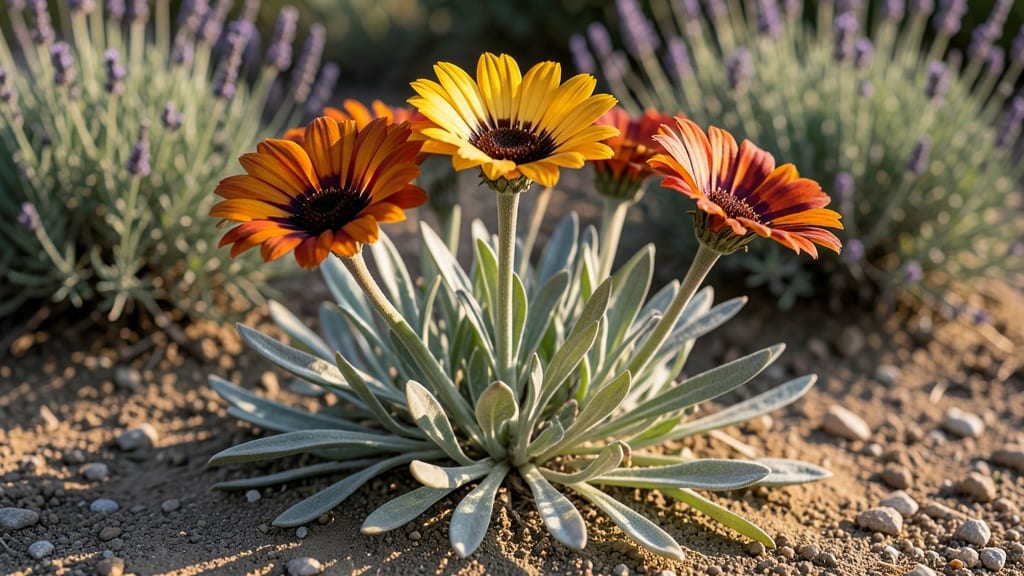
The gazania bloom time is a dazzling spectacle, with flowers unfurling their petals when the sun is at its peak—typically from June through September in most regions—but their vibrant 🌼 displays can stretch even longer with the right care.
Ever watched your gazanias close up as soon as the afternoon shade touches them, only to reopen the next morning? That’s not laziness—it’s their natural rhythm, triggered by sunlight. But with a few simple tweaks, you can coax them into blooming weeks longer than their usual season.
Whether you’re in a warm climate where they thrive year-round or a cooler zone like 6a, the key lies in understanding their love for heat and light. Too much moisture or shade, and they’ll pout by August. Too little, and you’ll miss their peak.
Below, I’ll walk you through the exact timing, care tricks, and regional adjustments to keep your gazanias bursting with color from early summer well into fall—or even winter, if you’re lucky.
Understanding gazania bloom time: when and how long they flower
Gazania plants thrive on sunlight, and their bloom time is directly tied to daylight hours. In my experience, these cheerful flowers begin their show in late spring and continue through fall, with peak performance during summer months.
The key to unlocking their full potential lies in understanding how photoperiodism and temperature work together to trigger and sustain blooms.
Native to regions with long, hot days, gazanias naturally follow a seasonal rhythm. Most varieties bloom from June through September, though early bloomers may appear as soon as May in warmer climates.
The duration of each bloom cycle typically lasts 1-2 days per flower, but with proper care, new buds form continuously throughout the season.
| Season | Bloom Period | Daylight Needs | Temperature Range |
|---|---|---|---|
| Spring | May-June | 6+ hours | 55°F-75°F |
| Summer | June-September | 8-12 hours | 70°F-95°F |
| Fall | September-October | 6+ hours | 50°F-70°F |
| Winter | Dormant | 4-6 hours | Below 50°F |
The sunlight duration is the most critical factor in gazania bloom time. These plants are short-day plants, meaning they respond to decreasing daylight in late summer by producing more buds. When daylight hours drop below 12 hours, gazanias enter their most prolific blooming phase.
This explains why they often perform best in USDA Zones 8-11, where long summer days create ideal conditions.
Temperature thresholds also play a crucial role. Gazanias prefer warm days (above 70°F) and cool nights (below 65°F) for optimal blooming. Extreme heat above 95°F can cause buds to drop, while temperatures below 50°F trigger dormancy.
In cooler climates like Zones 6-7, gardeners often treat gazanias as annuals to avoid winter damage.
Regional variations significantly impact bloom timing. In Southern California or Arizona, gazanias may bloom year-round with minimal interruption, while in New England, their season is compressed to June through August.
The key difference lies in daylight length—longer summer days in southern regions create extended bloom periods compared to northern areas.
Scientifically, gazanias exhibit photoperiodic sensitivity through a process called florigen production. When daylight hours shorten in late summer, their internal clock signals the plant to shift resources from leaf growth to flower production.
This biological response explains why gazanias often produce their most vibrant blooms in September, just before cooler temperatures arrive.
To maximize bloom duration, I recommend planting gazanias in full sun locations with at least 6-8 hours of direct sunlight daily. In my garden, I've found that south-facing beds or container placements near patios receive the most consistent sunlight, resulting in longer bloom cycles.
Even a few hours of afternoon shade can reduce flowering intensity, so positioning matters.
Another pro tip: Deadheading spent blooms encourages continuous flowering by redirecting the plant's energy toward new buds. I make it a habit to remove faded flowers in the morning when humidity is lowest, which helps prevent fungal issues that can shorten the bloom season.
This simple practice can extend your gazania display by 30-50% throughout the season.
For gardeners in cooler climates, consider using black plastic mulch to absorb heat and extend the growing season. I've seen this technique add 2-3 extra weeks of blooming in Zone 6 gardens by keeping soil temperatures 5-10°F warmer than surrounding areas.
The warmer root zone stimulates earlier spring blooms and delays fall dormancy.
Remember that gazanias are drought-tolerant once established, but consistent moisture during their active blooming months (June-August) prevents stress that could shorten their display. I water mine deeply every 3-4 days during peak summer, always in the early morning to reduce evaporation.
This balance between sunlight, temperature, and water management is what creates those stunning gazania carpets I love in summer gardens. 🌼
5 Proven techniques to extend gazania bloom time naturally
Gazania thrives in sunny conditions, but even these sun-loving stars need the right care to keep their vibrant blooms lasting longer. With 5 simple techniques, you can transform your gazania from a short-lived splash of color to a continuous summer showstopper.
The secret lies in understanding their natural rhythms and giving them just the right support.
Most gardeners assume gazania bloom for just a few weeks, but with proper deadheading and nutrient timing, you can extend their flowering season by 4-6 weeks. The key is to mimic their natural growing conditions while preventing stress. Let's dive into the proven methods that work—even for beginners.
- Deadhead daily – Remove spent blooms by pinching them off at the base. This redirects energy to new buds, creating a continuous bloom cycle instead of one-time bursts.
- Feed in spring – Apply a balanced 5-10-10 fertilizer in early spring to jumpstart growth. Avoid over-fertilizing in summer, which can cause leafy growth over flowers.
- Water deeply but infrequently – Gazania is drought-tolerant. Water once a week in summer, letting soil dry between waterings. Overwatering causes root rot and shortens bloom time.
- Plant with marigolds – Companion planting with marigolds deters pests like aphids, which can stress gazania and reduce flowering. The companion effect keeps plants healthier longer.
- Trim leggy stems – If gazania stretches too tall, cut back 1/3 of the plant in early summer. This encourages bushier growth and more blooms, preventing early decline.
Timing is everything when it comes to deadheading gazania. I always do it in the early morning when blooms are still fresh. Use clean, sharp scissors or your fingers to snip off the faded flowers at the base.
This not only keeps your garden tidy but also signals the plant to produce more blooms. Think of it as giving your gazania a little nudge to keep going.
Another game-changer is soil nutrition. Gazania loves well-draining soil rich in organic matter. Before planting, mix in compost or aged manure to provide a slow-release nutrient boost. During the growing season, a monthly dose of liquid fertilizer (like fish emulsion) keeps them thriving without overwhelming them.
Over-fertilizing is a common mistake—it can lead to lush foliage but fewer flowers.
Watering might seem straightforward, but gazania hates soggy roots. I water mine deeply once a week in summer, letting the top inch of soil dry out between waterings. In containers, I check the soil moisture daily—if it's damp, I wait.
Mulching around the base with gravel or straw helps retain moisture while preventing weeds that compete for nutrients.
Finally, don’t underestimate the power of companion planting. Pairing gazania with marigolds or lavender creates a symbiotic relationship. Marigolds repel pests, while lavender deters deer. This simple strategy keeps your gazania healthier and flowering longer, turning your garden into a low-maintenance paradise.
With these techniques, you’ll enjoy gazania blooms from early summer to frost—or even longer in warm climates.