
Blooming
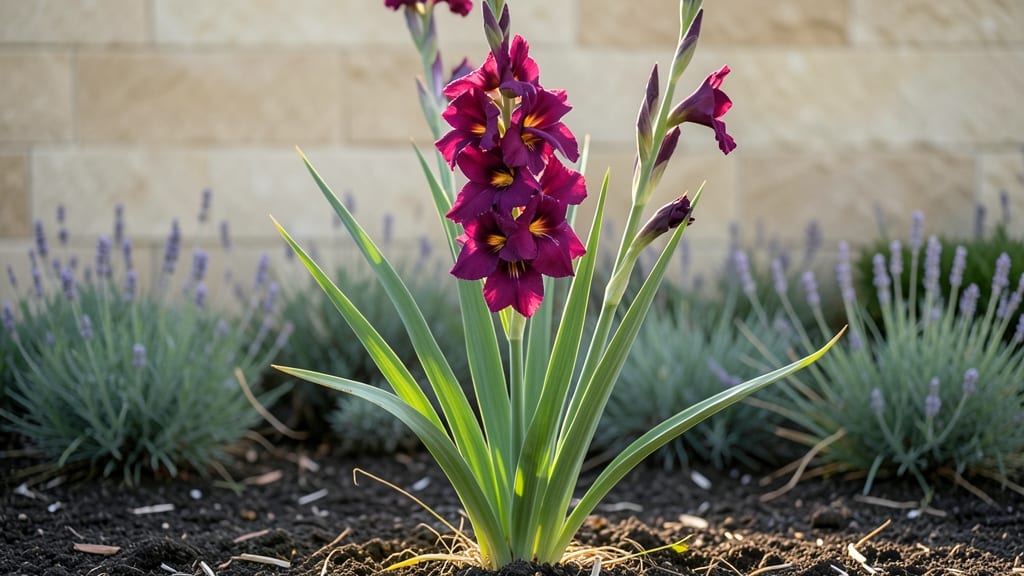
The gladiolus bloom time is all about heat—those dramatic purple spikes won’t appear until the soil warms to 65°F and stays that way for weeks. 🌿 I’ve grown gladiolus in both Zone 5 and Zone 9, and the timing shifts dramatically: early July in cooler climates vs. late June in the South.
The key is planting corms at the right depth and spacing them properly to avoid crowding, which delays blooms.
Most gardeners plant in spring after the last frost, but in warmer zones, fall planting can yield winter blooms. The heat triggers the corms to push up those iconic spikes, and once they start, they’ll reward you with 2-3 weeks of vibrant color.
Varieties like ‘Picasso’ and ‘Green Star’ bloom earlier, while ‘Black Star’ and ‘Attila’ hold off until late summer—so choose based on your climate and desired timing.
To extend the show, succession plant every 2 weeks through early summer. Mulch to keep roots cool but not soggy, and fertilize lightly when spikes emerge. The result?
A cascade of blooms from July through September, with some late varieties lasting into October. It’s like having a built-in color clock in your garden.
If your gladiolus blooms seem late or sparse, check your soil—too much nitrogen makes them leafy but legless. Instead, focus on phosphorus for strong roots and potassium for blooms.
And don’t toss those corms after flowering; dig them up in fall, dry them, and store them for next year’s showstopper season.
📚 In This Guide
- What you need
- Instructions
- Tips and common mistakes
- Wrapping up and next steps
What you need
- ● Gladiolus corms: 10–20 corms (depending on desired cluster size; choose heat-loving varieties like 'Black Star' or 'Green Star' for optimal bloom triggers).
- ● Well-draining potting mix: 5–10 gallons (sterilized, peat-based or coconut coir blend with perlite for aeration). Pro tip: Add 1 cup of perlite or vermiculite per 5 gallons to prevent rot!
- ● Containers: Required: 5–10 gallon pots (with drainage holes) or a raised bed (12" deep minimum).
- ○ Optional: Grow bags or fabric pots for better airflow.
- ● Slow-release fertilizer: 1 lb (16 oz) of 10-10-10 or 14-14-14 blend (mixed into the soil at planting).
- ● Watering can or hose: With a gentle spray nozzle (avoid soaking the corms!).
- ● Hand trowel or planting spade: For digging and spacing corms 4–6" apart.
- ○ Thermometer (optional but helpful): Soil thermometer to monitor 60–65°F (ideal for corm planting).
- ○ Heat mat (optional): For indoor growers in cooler climates (set to 70–75°F to kickstart blooming).
- ● Pruning shears: For trimming spent blooms to redirect energy to new spikes.
- ○ Gloves (optional): To protect hands from sharp corm edges.
- ● Location: Full sun (6+ hours daily) or a south-facing window with supplemental grow lights.
- ● Temperature control: Ability to maintain 70–85°F during active growth (heat triggers blooming!).
- ● Patience: Gladiolus corms need 8–12 weeks from planting to first bloom—plan ahead!
How to time gladiolus blooms for perfect purple spikes
Heat and timing are everything—here’s how I trigger vibrant blooms year after year.
🌱 Step 1: Plant Corms at the Right Depth and Temperature
Gladiolus corms need 60-70°F soil to wake up from dormancy. Start planting 2-3 weeks before your last frost date when daytime temps consistently reach 65°F. Dig holes 4-6 inches deep—that’s roughly 3 times the corm’s height—and space them 6 inches apart in rows.
I always plant with the pointed end up (the flat side down) because this ensures the shoot grows straight toward light. If you plant upside down, the corm may rot or produce weak stems. Mix in 2-3 inches of compost at the bottom of each hole to give roots a nutrient boost right away.
☀️ Step 2: Provide Full Sun and Consistent Heat
Gladiolus demand full sun (6+ hours daily)—no compromises. I’ve seen them bolt and produce weak spikes in partial shade. After planting, water deeply to settle the soil, then keep the area moist but not soggy until shoots emerge (about 2-3 weeks).
Once the first true leaves (not the tiny seed leaves) appear, increase watering to 1 inch per week. Heat triggers blooming, so if summer temps drop below 70°F, your spikes may take longer to form. Watch for leaf growth slowing—that’s your cue to reduce watering slightly to encourage blooming.
⏰ Step 3: Monitor Growth Stages for Bloom Timing
Gladiolus grow in distinct stages, each lasting 2-3 weeks. First, you’ll see fan-shaped leaves (4-6 inches tall). Then, flower buds form at the top of the stalk—this is when I start fertilizing with low-nitrogen, high-phosphorus feed (like 5-10-10) to push blooms.
When the lowest bud opens, count 7-10 days until the full spike blooms. Here’s the trick: Remove spent blooms daily (deadheading) to redirect energy upward. If you skip this, the plant may produce seeds instead of vibrant new spikes. I use clean scissors to snip just above the next bud to keep the stalk healthy.
💧 Step 4: Adjust Care for Extended Blooming
To prolong blooms, water deeply every 3-4 days once buds form—gladiolus roots run deep, and consistent moisture prevents wilting. Mulch with 2 inches of straw to retain soil moisture and regulate temps. If your summer gets above 90°F, provide afternoon shade to prevent heat stress.
Real talk: Overwatering now causes rot. Let the top 1-2 inches of soil dry between waterings after buds appear. You’ll know you’re doing it right when the spikes stay firm and upright, not drooping. Harvest individual stems when half the blooms open—they’ll last 5-7 days in water at room temp.
✂️ Step 5: Prepare Corms for Next Year’s Blooms
After blooming, stop watering and let foliage yellow naturally. Once leaves turn brown, dig up corms, brush off soil, and store them in a cool, dry place (50-60°F) with good airflow (like a mesh bag in the fridge). I label each corm by variety—after a season, you’ll forget which one produces the deepest purple!
Here’s where it gets fun: Baby corms form around the parent corm. Separate these after 8-10 weeks of storage and replant them next spring—they’ll bloom in 1-2 years. This is how I get free plants and double my blooms each season.
Tips & tricks for perfect gladiolus bloom timing
These little tricks will help you turn your gladiolus garden into a vibrant purple dream—no guesswork required.
Soil Temperature Secret: That 60-70°F soil temperature in Step 1 is non-negotiable for waking up corms. I use a soil thermometer to check before planting—if it's cooler than 60°F, wait a few more days. Cold soil slows root growth, and you'll end up with weak stems that can't support those beautiful spikes. Pro tip: Plant in the afternoon when soil has absorbed daytime heat.
Heat Management for Blooms: When summer hits above 90°F (Step 4), don't panic—just provide afternoon shade with lightweight shade cloth. I've seen gladiolus handle 95°F just fine with this protection, but direct afternoon sun at those temps causes buds to wilt before they open. Morning sun is perfect, but afternoon heat needs that extra shield.
Deadheading Discipline: The daily spent bloom removal in Step 3 makes all the difference. I set a timer on my phone for 5 minutes every morning to snip spent blooms—it takes less time than you'd think. This redirects energy to new blooms instead of seed production. I use clean pruners and always cut just above the next bud to prevent disease entry points.
Storage Strategy: For the 50-60°F storage in Step 5, I use mesh produce bags in my fridge's crisper drawer. The airflow prevents rot while keeping them cool. Label each bag with the variety and planting date—trust me, after a season you'll forget which one produces those deep purple blooms you love most!
Pro Tips for Gladiolus Bloom Time
- These little tricks will help you turn your gladiolus garden into a vibrant purple dream—no guesswork required.
- Soil Temperature Secret: That 60-70°F soil temperature in Step 1 is non-negotiable for waking up corms. I use a soil ...
- Heat Management for Blooms: When summer hits above 90°F (Step 4), don't panic—just provide afternoon shade with light...
Frequently asked questions
Got questions about gladiolus bloom time?
Here are answers to the most common ones—from timing tricks to troubleshooting tips!
When do gladiolus flowers bloom after planting?
Gladiolus typically bloom 8–12 weeks after planting (or 60–90 days from corm planting). Heat triggers blooms—plant in spring (after last frost) for summer flowers or late summer for fall color. Pro tip: Use long-day varieties (like 'Green Star') for earlier blooms in warmer climates!
How do I make gladiolus bloom earlier?
To speed up blooms, plant corms in early spring (as soon as soil is workable) and choose heat-tolerant varieties (e.g., 'Black Star'). Pre-warming corms in 70°F (21°C) water for 24 hours can also jumpstart growth. Warning: Don’t rush—glads need consistent warmth to avoid floppy stems!
Why aren’t my gladiolus blooming?
No blooms? Check these fixes:
- Insufficient sunlight: Glads need 6+ hours of direct sun daily.
- Overcrowded corms: Space them 6 inches apart for airflow.
- Poor soil: Amend with compost and a balanced fertilizer (10-10-10) at planting.
- Late planting: Plant corms 4–6 weeks before your last frost date for summer blooms.
Can I force gladiolus to bloom indoors?
Yes! For indoor blooms, plant corms in containers with well-draining soil and place them in a sunny window or under grow lights. Keep soil moist but not soggy and maintain temps between 65–75°F (18–24°C). Warning: Indoor glads may need staking—their stems can get top-heavy!
What’s the best gladiolus variety for late-summer blooms?
For fall color, try these heat-loving varieties:
- 'Picasso' (pink/white bicolor, blooms in late August–September)
- 'Attila' (deep red, drought-tolerant, blooms 90+ days after planting)
- 'White Friendship' (pure white, long-lasting in vases)
Wrapping up and next steps
Understanding the gladiolus bloom time and its heat-triggered stages is your key to cultivating vibrant purple spikes year-round! 🌸 From planting in early summer to managing soil warmth and sunlight, each step plays a role in unlocking their full potential.
With patience and care, you’ll enjoy stunning blooms that brighten any garden.
Ready to transform your garden? Start experimenting with your first batch of gladiolus bulbs today! Track their progress, adjust care as needed, and share your blooming success with fellow gardeners. Happy growing! 🌱