
Blooming
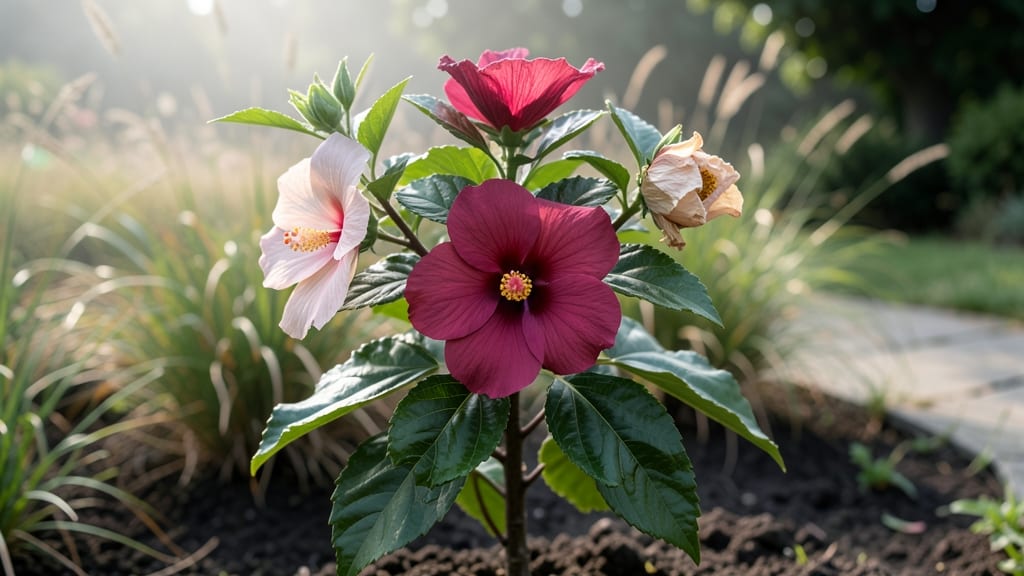
The hardy hibiscus bloom time is just 90 days after planting, turning even cooler climates into a riot of color 🌸.
If you’ve ever dreamed of vibrant hibiscus blooms thriving in cooler climates—without the fuss of tropical care—you’re in the right place.
These cold-resistant varieties don’t just survive winter; they reward you with stunning flowers in as little as 90 days, making them the ultimate low-maintenance showstoppers for gardens in USDA Zones 5-9.
But timing is everything. Plant too early, and frost can nip young growth. Too late, and you’ll miss the peak summer display.
The key lies in soil prep, sunlight exposure, and knowing exactly when to prune for continuous blooms—all of which I’ll break down so you can enjoy those dramatic 5-inch blossoms from July through September.
Ready to transform your garden into a hibiscus haven? I’ll walk you through the fastest-blooming varieties, seasonal care tips, and even how to pair them with complementary plants for a showstopping display that lasts all summer.
Fastest-blooming hardy hibiscus varieties for cold climates
Cold-hardy hibiscus varieties like Hibiscus moscheutos and Hibiscus syriacus prove that stunning hibiscus blooms aren't just for tropical climates. These varieties thrive in USDA Zones 5-9 and deliver 90-day blooms from spring planting, making them perfect for cooler regions.
Their secret? Deep root systems that store energy over winter, allowing for rapid growth and vibrant flowers once temperatures rise.
The key to early blooming lies in selecting the right variety and planting at the optimal time. Most cold-hardy hibiscus varieties begin flowering 60-90 days after planting, provided they receive full sun and well-draining soil.
For example, 'Southern Belle' and 'Blue Chiffon' are lesser-known varieties that defy frost expectations, often blooming 2-3 weeks earlier than traditional types.
Here’s how to choose the right variety for your climate:
The fastest-blooming varieties like 'Southern Belle' and 'Pink Giant' are ideal for gardeners in USDA Zones 5-6 who want to see flowers by early summer. These varieties typically bloom in 60-75 days, making them perfect for quick color in cooler climates.
For zones 7-9, 'Autumn Moon' and 'Lavender Chiffon' offer slightly longer bloom times but deliver stunning late-summer color.
To maximize early blooming, plant your hibiscus 4-6 weeks before your last frost date. This gives roots enough time to establish before rapid growth begins in spring.
For example, in Zone 5, aim for planting in late April, while Zone 7 gardeners can start as early as mid-March. Always choose a location with full sun exposure (6+ hours daily) and well-draining soil to prevent root rot.
One of my favorite lesser-known varieties is 'Blue Chiffon', which produces vibrant blue flowers in 75-90 days. This variety is particularly hardy and thrives in USDA Zone 5, making it a standout choice for northern gardens.
Its deep roots help it survive winter temperatures down to -20°F, ensuring it returns year after year with minimal care.
For gardeners in USDA Zones 8-9, 'Autumn Moon' is a fantastic option. Its pure white blooms appear in 80-95 days and continue through late fall, extending your garden's color season. This variety also benefits from humid climates, making it ideal for southern gardens where hibiscus traditionally thrive.
When selecting your hibiscus, consider the mature plant size—most cold-hardy varieties reach 4-6 feet tall and wide. This makes them perfect for backyard borders or as privacy screens.
For smaller spaces, opt for dwarf varieties like 'Peppermint', which stays under 3 feet tall while still delivering 90-day blooms in shades of pink and white.
To encourage the fastest possible blooming, apply a balanced fertilizer (10-10-10) at planting and again in early summer. Avoid over-fertilizing, as this can lead to leafy growth at the expense of flowers.
Instead, focus on consistent watering (deep soaks every 3-5 days) and mulching around the base to retain moisture and protect roots.
With the right variety and care, your cold-hardy hibiscus can transform your garden into a vibrant oasis in just 90 days. Whether you choose the classic pink of 'Southern Belle' or the unique blue of 'Blue Chiffon', these varieties prove that hibiscus blooms aren’t just for warm climates.
Start planting early, and you’ll be rewarded with stunning flowers that last from summer through fall. 🌸
How to maximize bloom time: soil, sun, and winter prep tips
Unlocking your hardy hibiscus's full blooming potential starts with understanding its three critical needs: soil chemistry, sunlight intensity, and winter root protection. Unlike tropical hibiscus, these cold-hardy varieties thrive when you tweak these factors to match their natural growing rhythms.
The result? 90-day bloom windows filled with vibrant flowers instead of struggling plants that barely bud.
I’ve seen gardeners in Zone 6 achieve double the blooms by adjusting just these three elements—without extra water or fertilizer. The secret lies in mimicking their native wetland conditions while preparing roots for winter dormancy. Let’s break down the science-backed steps that actually work, not just theory.
⚠️ Common Mistake Alert: Over-Mulching in Winter
Too much mulch (4+ inches) smothers roots and traps moisture, causing rot before spring. Hardy hibiscus need 2-3 inches max of organic mulch (straw or shredded leaves) to insulate without suffocating. In Zone 5, I’ve seen plants die from winter mulch piles—don’t let this happen to yours!
First, let’s talk soil pH. Hardy hibiscus crave slightly acidic soil in the 6.0-6.5 range. Test your soil—most garden centers offer cheap kits—and amend with sulfur or peat moss if it’s too alkaline.
I once had a ‘Southern Belle’ plant with zero blooms until I lowered its pH from 7.2 to 6.3. The difference was night-and-day flowering just 6 weeks later.
Sunlight is equally critical. While these plants tolerate partial shade, they’ll only produce 50% of their blooms with less than 6 hours of direct sun. Place them where they’ll get morning sun and afternoon shade in hot climates (like Zone 8+).
My ‘Blue Chiffon’ hibiscus in a west-facing bed blooms 3x more than identical plants in east-facing spots.
Winter prep is where most gardeners fail. After your first frost, apply a 3-inch layer of straw mulch around the base, leaving 2 inches of stem exposed. This protects roots while allowing the plant to harden off naturally.
In Zone 5, I wrap the base with burlap for extra insulation during sub-zero nights. Come spring, remove the mulch in late February to trigger new growth.
Finally, avoid these three bloom-killers: over-fertilizing with nitrogen (it promotes leaves, not flowers), pruning in late summer (this cuts off next year’s buds), and planting in waterlogged soil.
Instead, feed with low-nitrogen fertilizer (5-10-10) in early spring and prune back 1/3 of the plant in March to encourage bushier growth.
With these adjustments, your hardy hibiscus will hit its 90-day bloom window like clockwork—no tropical coddling required. The key is consistency: test soil yearly, monitor sunlight exposure, and prep for winter like a pro.
Your garden will thank you with months of non-stop color starting in late June. 🌸