
Blooming
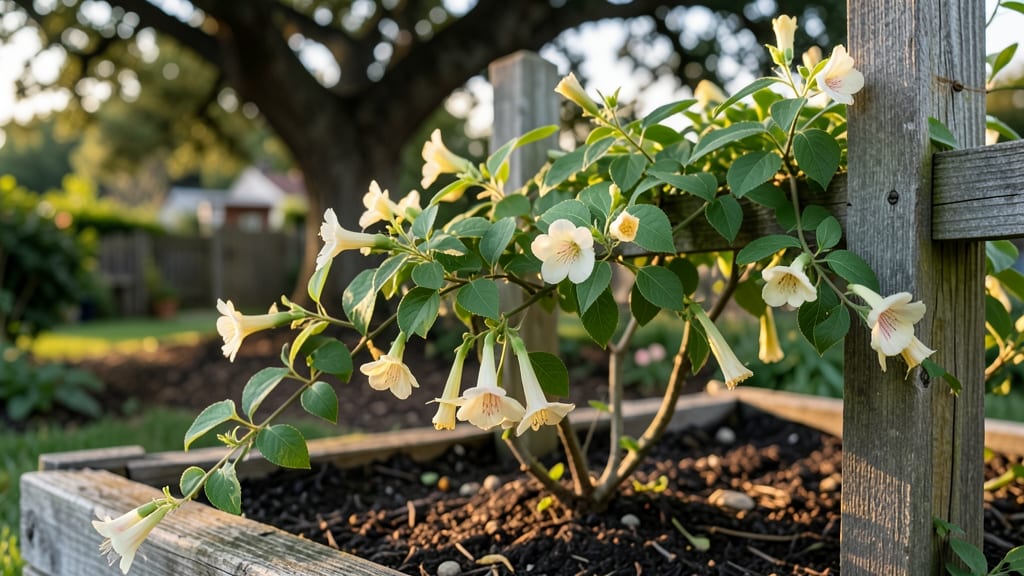
Your honeysuckle bloom season is the sweetest time of year for any garden 🌸 — those fragrant clusters transform a simple yard into a fragrant haven, but only if you know when to expect them.
Picture this: you’re sipping morning coffee when the air suddenly fills with that unmistakable, intoxicating scent. That’s your cue that the blooms are here—but if you’ve ever missed the window, you know how quickly they fade.
The truth is, timing varies wildly depending on your climate zone, variety, and even your local microclimate.
In USDA Zone 6a, like many gardeners, you can expect the show to start in late spring, around May or June, with some varieties stretching into August. But in warmer zones, the season might begin as early as April, while cooler regions could see blooms delayed until July.
Below, I’ll break down exactly when to expect peak fragrance in your area, plus pro tips to extend the season naturally—so you never miss another whiff of that magical sweetness again.
Honeysuckle bloom season by USDA climate zones: when to expect peak fragrance
Timing your garden's honeysuckle bloom season depends heavily on your USDA hardiness zone. While most varieties thrive in zones 4-9, their bloom windows shift dramatically—from late spring in cooler regions to summer in warmer climates.
Understanding these patterns helps you plan for peak fragrance and vibrant displays. Even a 1-zone difference can mean weeks separating your blooms from neighbors' gardens.
Microclimates add another layer—elevation, urban heat islands, and proximity to water bodies can push bloom times 1-2 weeks earlier or later.
For example, a honeysuckle in zone 7 near a lake might bloom in mid-May, while one on a sun-exposed hillside could wait until early June. These nuances make local observations just as important as zone maps.
Early-season varieties like Lonicera sempervirens often kick off blooms in April-May in southern zones, while late-season types such as Lonicera periclymenum may not peak until July-August in northern regions. The key is matching your honeysuckle variety to your zone's typical last frost date—planting too early risks frost damage to tender new growth.
In zones 3-4, where winters are harsh, honeysuckle typically waits until late May or June to bloom. These regions benefit from cold-hardy varieties like Lonicera tatarica, which can withstand -40°F temperatures.
Planting near south-facing walls can advance bloom times by 1-2 weeks by creating a microclimate with warmer soil temperatures.
Gardeners in zones 5-6 often enjoy the longest bloom seasons, with May-June peaks lasting 6-8 weeks if conditions are ideal. Here, pruning strategies become crucial—removing old wood in late winter encourages vigorous new growth that blooms earlier. The trade-off? Some varieties may produce fewer flowers if pruned too aggressively.
Southern zones (7-10) experience earlier and more prolonged blooming, with some varieties flowering year-round in zone 10. However, heat stress above 95°F can cause buds to drop.
Providing afternoon shade and consistent moisture helps maintain fragrance. In zone 9, expect February-March blooms from early varieties like Lonicera japonica.
Latitude plays a surprising role—honeysuckle in Florida (zone 9) may bloom in January, while identical plants in Georgia (zone 8) wait until March. This 2-month difference highlights why local garden centers are your best resource for zone-specific varieties.
Always ask about heat tolerance when selecting plants for warmer climates.
For container gardening, bloom times shift even more dramatically. Potted honeysuckle in zone
How to extend your honeysuckle bloom season naturally (without chemicals)
Want your honeysuckle to burst into fragrant blooms for weeks instead of just a few? The secret lies in creating the perfect growing conditions—no chemicals required.
With the right pruning techniques, soil nutrition, and watering habits, you can coax your honeysuckle into a longer, more abundant bloom season. Let’s dive into the natural methods that work best for extending that sweet, intoxicating fragrance.
First, understand that not all honeysuckle varieties bloom the same way. Some, like Lonicera periclymenum, produce flowers in spring and again in summer, while others, like Lonicera sempervirens, bloom intermittently throughout the growing season.
By choosing the right variety and optimizing care, you can create a near-continuous display of fragrant blooms. The key is to mimic their natural growing conditions as closely as possible.
- Prune strategically in late winter or early spring to remove dead or weak stems and encourage new growth. Cut back overly dense areas to improve airflow and sunlight penetration.
- Amend your soil with compost or aged manure to boost organic matter. Honeysuckle thrives in well-draining, slightly acidic soil (pH 6.0-7.0).
- Water deeply once a week during dry spells, focusing on the root zone. Avoid wetting the foliage to prevent fungal diseases.
- Plant companion plants like lavender or rosemary nearby to repel pests and attract pollinators, which can boost bloom production.
- Apply a balanced fertilizer (10-10-10) in early spring and again after the first flush of blooms to support continuous flowering.
One of the most effective ways to extend your honeysuckle’s bloom season is through proper pruning. Prune your honeysuckle in late winter or early spring to remove any dead, diseased, or crossing branches.
This not only improves airflow but also encourages the plant to produce more vigorous new growth, which translates to more blooms. For varieties that bloom on old wood, avoid heavy pruning in late summer or fall, as this can reduce next year’s flowers.
Soil health plays a crucial role in extending bloom time. Honeysuckle thrives in well-draining, slightly acidic soil rich in organic matter. Before planting, amend your soil with compost or aged manure to provide essential nutrients.
During the growing season, top-dress with a layer of mulch to retain moisture and regulate soil temperature. This helps the plant focus its energy on producing more flowers rather than struggling to find nutrients.
Watering habits can make or break your honeysuckle’s bloom season. These plants prefer consistent moisture but hate soggy roots. Water deeply once a week during dry spells, aiming for the root zone rather than the foliage.
Early morning watering is ideal, as it allows the plant to dry out during the day, reducing the risk of fungal diseases like powdery mildew. In hot climates, you may need to water more frequently, but always ensure the soil has good drainage.
Finally, don’t underestimate the power of companion planting. Pairing your honeysuckle with lavender, rosemary, or marigolds can deter pests like aphids and spider mites, which often target stressed honeysuckle plants. Additionally, these companions attract pollinators, which can increase the likelihood of more blooms.
A well-planned garden layout not only enhances fragrance but also creates a thriving ecosystem that supports your honeysuckle’s health and longevity.