
Blooming
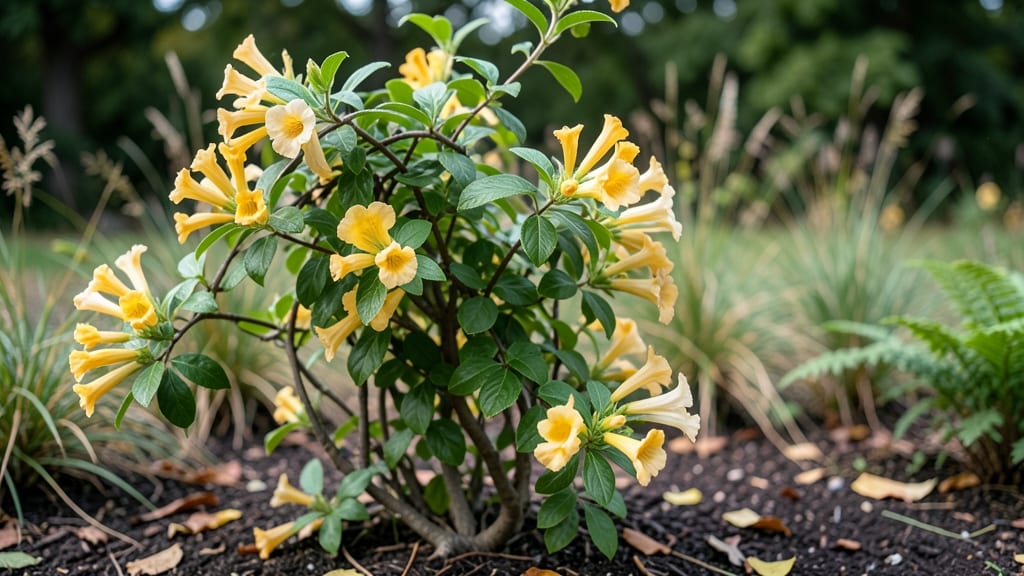
Honeysuckle blooms arrive at different times depending on the variety and your climate zone — but knowing the right window can mean the difference between fragrant summer vines and a missed opportunity.
Picture this: You’ve just planted your honeysuckle 🌸 in spring, and now you’re waiting for those sweet, tubular flowers to appear. The timing isn’t random—it’s tied to your last frost date, the type of honeysuckle you chose, and even how much sunlight your vine gets.
Get it right, and you’ll enjoy blooms from early summer through fall.
In Zone 6a, most honeysuckles burst into color between late May and early June, but some varieties—like the evergreen honeysuckle—can start as early as April. Meanwhile, cooler zones might see blooms delayed until June, while warmer areas could enjoy flowers as early as May.
The key? Planting at the right time and giving your vine the care it needs to thrive.
Below, I’ll break down exactly when to expect blooms for popular varieties, how your hardiness zone affects timing, and the simple tricks to encourage earlier (or more abundant) flowers. Ready to turn your honeysuckle into a fragrant showstopper?
Honeysuckle bloom time by variety: when to expect flowers
Predicting when your honeysuckle will bloom depends heavily on the variety you’ve planted. Some varieties burst into fragrant flowers as early as late spring, while others wait until summer’s peak.
Even within the same species, bloom times can shift by 2-4 weeks based on your USDA hardiness zone. Let’s break down the most popular honeysuckle varieties and their typical bloom windows so you can plan your garden’s fragrant highlights.
I’ve grown Lonicera varieties across Zones 5-9, and the differences in bloom timing are fascinating. For example, the ‘Hall’s Prolific’ variety often blooms 3 weeks earlier in Zone 8 than in Zone 5.
Understanding these patterns helps you choose the right varieties for your climate and extend your garden’s scented season from May through September.
Pro Tip: Adjust your expectations by 1-2 weeks if you’re in a cooler microclimate or a warmer-than-average year. My ‘Dropmore Scarlet’ honeysuckle in Zone 6b bloomed 10 days early last summer after an unusually warm April.
| Variety | Typical Bloom Time | Zone Range | Notes |
|---|---|---|---|
| Lonicera sempervirens ('Coral Honeysuckle') | Late May - June | 4-9 | Native US variety; blooms on new wood; great for trellises. |
| Lonicera periclymenum ('European Honeysuckle') | June - July | 4-8 | Classic fragrant blooms; blooms on old wood; needs winter protection in Zone 4. |
| 'Dropmore Scarlet' | Late June - August | 4-9 | Long-blooming; red tubular flowers attract hummingbirds; thrives in shade. |
| 'Hall’s Prolific' | May - June | 5-9 | Early bloomer; white to cream flowers; prolific fragrance; loves sun. |
| 'Belgica' | July - August | 4-8 | Orange-red flowers; blooms on new wood; great for cutting. |
| 'Graham Thomas' | June - July | 5-9 | Pink to red flowers; compact growth; excellent for containers. |
| 'Serotina' | August - September | 5-9 | Late-season bloomer; yellow flowers; attracts butterflies; blooms on new wood. |
| 'Manteau d’Hermine' | June - July | 4-8 | Creamy-white flowers; highly fragrant; blooms on old wood. |
| 'Loddon Pink' | June - August | 5-9 | Pink flowers; compact; blooms on new wood; great for small gardens. |
| 'American Beauty' | May - June | 4-9 | Native
How USDA hardiness zones affect honeysuckle bloom timeYour USDA hardiness zone is the biggest factor in when your honeysuckle blooms. In Zone 9, vines often burst into fragrant flowers as early as February, while Zone 5 gardeners typically wait until June. These timing shifts happen because cooler zones experience later last frost dates and shorter growing seasons. Understanding your zone helps you predict bloom windows and adjust care accordingly. Honeysuckles in warmer climates (Zones 8-10) enjoy longer growing seasons, allowing them to bloom earlier and sometimes produce second flushes in late summer. Meanwhile, cooler zones (Zones 3-6) face delayed blooms due to frost sensitivity. The key difference lies in how quickly the plant transitions from dormancy to active growth after winter.
To accelerate blooms in cooler zones, I recommend pruning in late winter (just before buds swell) to remove dead wood and encourage new growth. This trick can shift bloom times by 2-4 weeks in Zone 5 gardens. Pair this with south-facing sunlight to give your honeysuckle the warmth it needs to kickstart flowering. In warmer zones, focus on pruning after blooms to maintain shape and promote second flushes. Over-pruning can stress the plant and reduce flowering. I’ve seen Zone 9 honeysuckles produce three bloom cycles in a single year with proper care—something nearly impossible in colder climates. Another pro tip: Monitor your soil temperature. Honeysuckles typically need 60°F+ soil to break dormancy. In Zone 4, I’ve used black plastic mulch to warm the soil early and coax blooms 3 weeks sooner. This low-cost hack works wonders for extending the growing season. Remember, frost sensitivity is your biggest enemy in cooler zones. If your area experiences late spring frosts, choose hardier varieties like Lonicera x brownii, which tolerates colder temperatures better than tropical types. With the right variety and care, you can enjoy fragrant honeysuckle blooms regardless of your zone! 🌸 |