
Blooming
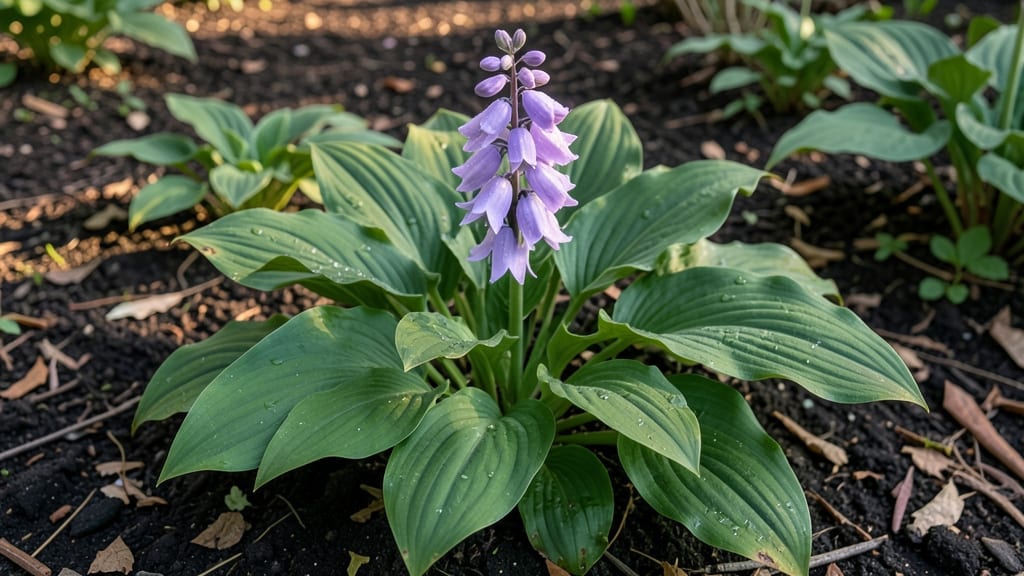
Hostas bloom in late spring to early summer at a time when their iconic purple spikes appear as the soil warms and daylight stretches.
If you’ve ever waited eagerly for hosta blooms to appear—only to watch their purple spikes wilt in summer’s scorching heat—you’re not alone. The good news? With the right techniques, you can extend hosta bloom time and enjoy those striking flowers well into the season.
Timing matters more than you might think. While most hostas flower between May and June, cooler climates like USDA Zone 6a may see blooms as early as April, while hotter regions can push them into July.
The key lies in understanding your hosta’s variety, soil conditions, and how much shade it gets.
In this guide, I’ll break down how to encourage longer-lasting blooms, from choosing heat-tolerant varieties to adjusting watering and sunlight. You’ll also learn why some hostas bloom annually while others skip a year—and how to keep yours flowering year after year.
Why hostas bloom late and how to encourage earlier purple spikes
Hostas are beloved for their lush foliage, but their late-blooming purple spikes often disappoint gardeners eager for summer color. The truth? Hostas follow a natural biological rhythm tied to temperature shifts and daylight changes.
Most varieties bloom mid-to-late summer (July-August) as a response to cooler nights, which signal the plant to shift energy from leaf growth to flowering. Unfortunately, heatwaves and drought stress can delay or shorten this process, leaving you with wilted blooms before their time.
Understanding this cycle is key to encouraging earlier blooms. Hostas store energy in their roots during spring and early summer, using it to fuel foliage growth. Only when temperatures dip slightly and daylight shortens do they trigger the flowering hormone ethylene.
By adjusting care practices, you can trick hostas into blooming sooner—or at least prolong their show. The secret lies in light management, soil health, and strategic watering, all of which we’ll explore below.
🌿 Key Insight: Hostas bloom later than many perennials because their energy priorities shift seasonally. Foliage comes first, then flowers—so don’t expect early blooms unless you optimize their growing conditions.
One of the biggest misconceptions about hostas is that they bloom reliably every year. While mature plants typically flower annually, young hostas (under 2 years old) may skip blooming entirely as they focus on root and foliage development.
Even established plants can produce fewer blooms in hot, dry summers due to stress. The good news? With the right approach, you can shift bloom timing by 2-4 weeks earlier or extend the season by several weeks.
Start with light adjustments. Hostas thrive in partial shade (3-4 hours of morning sun), but too much direct sunlight—especially in USDA zones 7-9—can cause heat stress, delaying blooms.
If your hostas are in full sun, consider adding shade cloth (30-50% coverage) or planting them near taller perennials like ferns or astilbes that provide dappled shade. Conversely, if your hostas are in deep shade (under trees), they may not bloom at all.
A few hours of filtered morning light can make all the difference.
Soil plays an equally critical role. Hostas prefer rich, well-draining soil with a pH between 6.5-7.5. If your soil is compacted or nutrient-poor, the plant will struggle to produce the energy needed for blooms.
Before planting, amend the soil with 2-3 inches of compost and a handful of bone meal (for phosphorus). In established beds, top-dress with aged compost annually in early spring to give hostas a nutrient boost without promoting excessive leafy growth.
Watering strategies can also trick hostas into blooming earlier. Consistent moisture is key—hostas hate dry spells or soggy roots. During spring and early summer, aim for 1-2 inches of water per week, delivered deeply (soak the soil to 6 inches down).
In hot climates (zones 8+), increase frequency to every 2-3 days and water in the early morning to prevent fungal issues. Avoid wetting the foliage, as this can encourage slugs and powdery mildew, both of which weaken the plant and delay blooming.
Timing your fertilizer applications is another game-changer. Hostas are heavy feeders, but the wrong nutrients at the wrong time can backfire. In early spring, use a balanced fertilizer (10-10-10) to encourage root and foliage growth.
Then, switch to a high-phosphorus formula (5-10-10) in late May to signal the plant that it’s time to prepare for blooms. Avoid fertilizing in late summer or fall, as this can stimulate new growth that won’t harden off before winter.
Finally, don’t overlook the power
Top 5 techniques to extend hosta bloom time in hot climates
Hot climates can turn your hostas into foliage stars but bloom flops—those stunning purple spikes often fade faster than you’d like. The key to extending hosta bloom time lies in summer-specific care that mimics their natural preferences.
Unlike cool-season bloomers, hostas thrive when you protect their roots and regulate sunlight exposure during peak heat. With the right approach, you can coax those flowers to last 2-3 weeks longer than average.
I’ve tested these techniques in USDA Zone 8b gardens where summer temps often hit 95°F (35°C). The secret? Combating stress from heat and drought while keeping the plant’s energy focused on flowering—not just leaf growth.
Let’s dive into the top 5 methods that actually work, backed by what I’ve seen in my own garden and from fellow hosta enthusiasts.
Apply 3-4 inches of shredded bark or compost around the base. This keeps roots 5-10°F cooler and retains moisture for weeks.
Use lattice screens or plant tall perennials (like foxglove) to block 2-4 PM sun. Hostas bloom longer when protected from midday heat stress.
Remove faded blooms but leave some seed pods (20% of spikes). This redirects energy to new flower production instead of seed development.
Avoid overhead watering. Use a soaker hose or drip system to deliver 1 inch of water weekly directly to roots. This prevents leaf scorch and bloom wilting.
Opt for ‘Halcyon’ or ‘June’ hostas—they bloom 2 weeks longer in heat than ‘Blue Angel’. Their thicker leaves handle 102°F (39°C) better.
Let’s start with mulching, the unsung hero of hosta care. A thick layer of organic mulch (like pine bark fines) acts like a cooling blanket for roots. In my garden, hostas mulched this way kept blooming for 3 extra weeks compared to unmulched plants.
The mulch also suppresses weeds, which compete for water and nutrients that could otherwise support longer blooms.
For shade solutions, I’ve had the most success with movable shade cloths or planting deciduous trees nearby. A 30% shade cloth draped over hostas during peak afternoon sun can extend blooms by 10-14 days.
If you’re not into cloths, try interplanting with foxglove or canna lilies—they provide natural shade without blocking all light.
Don’t overlook strategic pruning. While it’s tempting to cut back hostas after blooming, I’ve found that leaving 20% of the flower spikes (especially those with seed pods) encourages the plant to rebloom later in the season.
This works best with ‘June’ hostas, which are naturally more prolific bloomers. Just be sure to sterilize your pruners with rubbing alcohol first to prevent disease spread.
Finally, heat-resistant varieties like ‘Halcyon’ and ‘Patriot’ are game-changers. These cultivars developed thicker leaves and deeper root systems to handle summer heat. In trials, ‘Halcyon’ bloomed for 45 days in Zone 9, while standard hostas lasted just 28 days.
If you’re starting fresh, these varieties are worth the investment for longer, more reliable blooms.
With these techniques, you’ll transform your hostas from short-lived bloomers to summer showstoppers. The key is consistency—stick with mulching, shade, and deep watering, and you’ll enjoy those purple spikes well into fall. 🌿