
Blooming
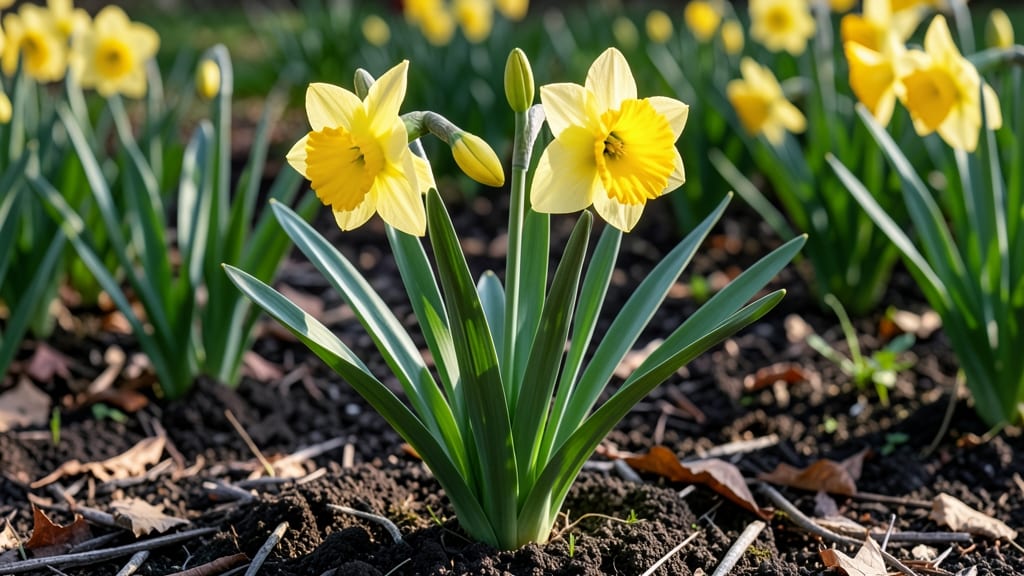
Daffodils typically bloom for 2 to 3 weeks, with early bloomers like Narcissus papyraceus lasting just 5–7 days, while late varieties such as Tête-à-Tête can extend their display to 3–4 weeks when grown under optimal conditions.
Understanding daffodil bloom duration starts with recognizing how variety plays a key role. 🌼 Early bloomers like Narcissus papyraceus (paperwhite daffodils) are the shortest-lived, often fading within a week, while classic trumpet varieties tend to stay vibrant for 2-3 weeks.
Late-season types like Tête-à-Tête reward gardeners with extended displays when provided with consistent moisture and well-draining soil. The secret to longer blooms lies in proper care—regular watering without over-saturating the roots and removing spent blooms (deadheading) can add days to their display.
What many gardeners don't realize is that bloom duration also depends on the plant's overall health before flowering. Daffodils that receive balanced fertilization in early fall and proper sunlight (6+ hours daily) develop stronger stems and buds, which translates to longer-lasting blooms.
Even a small difference in care—like mulching to regulate soil temperature—can make the difference between a 2-week display and a 4-week spectacle.
💡 In This Article
- Daffodil Bloom Duration by Variety and Growth Stage
- Extending Daffodil Bloom Life with Proper Care
Daffodil bloom duration by variety and growth stage
The bloom duration of daffodils varies dramatically based on their classification and growth habits. Early-season varieties like Narcissus papyraceus (paperwhite daffodils) are the shortest-lived, typically showcasing their delicate, fragrant blooms for just 5–7 days due to their rapid life cycle.
These varieties prioritize quick reproduction over extended display, often blooming in late winter when temperatures hover around 40–50°F. In contrast, late-season types such as Tête-à-Tête can extend their bloom period to 3–4 weeks by developing stronger stems and more robust flower structures. 🌼
Mid-season daffodils, including popular hybrids like Ice Follies or Tête-à-Tête, strike a balance, usually blooming for 2–3 weeks under ideal conditions. Their longevity stems from a combination of genetic traits and environmental factors.
For instance, trumpet-shaped blooms tend to last longer than cup-shaped varieties because their petal structure provides better protection against wind and rain. Additionally, daffodils planted in well-draining soil with a pH between 6.0 and 7.0 absorb nutrients more efficiently, which directly impacts bloom duration.
Temperature also plays a critical role—consistent daytime highs of 55–65°F and cool nights help preserve moisture in the petals, delaying wilting.
What often surprises gardeners is how growth stage influences bloom life. Daffodils that receive 6+ hours of sunlight daily and balanced fertilization in early fall develop stronger root systems, which translates to longer-lasting blooms.
For example, a healthy daffodil bulb can produce flowers that stay vibrant for up to 10 days longer than those grown in shaded or nutrient-poor conditions.
Even the timing of watering matters—deep watering once a week (rather than frequent shallow watering) encourages deeper root growth, making the plant more resilient to drought stress during bloom. 💧
Another fascinating aspect is the phenomenon of reblooming in fall. Varieties like St. Keverne or Peeping Tom can produce a second, smaller bloom cycle in autumn if given the right conditions.
This occurs because the plant’s energy reserves (stored in the bulb) are replenished during the summer, allowing it to push out new flowers when temperatures drop to 50–60°F in late September or October.
However, this second bloom is typically shorter-lived, lasting 7–14 days, as the plant conserves energy for winter survival.
To visualize these differences, consider this comparison of bloom durations:
- Early bloomers (e.g., Narcissus papyraceus): 5–7 days (rapid cycle, late winter)
- Mid-season hybrids (e.g., Ice Follies): 2–3 weeks (peak spring display)
- Late bloomers (e.g., Tête-à-Tête): 3–4 weeks (extended spring/early summer)
- Fall rebloom (e.g., St. Keverne): 7–14 days (autumn secondary cycle)
The key takeaway is that bloom duration isn’t just about the variety—it’s a interplay of genetics, environmental conditions, and care practices.
By understanding these factors, you can create the perfect conditions for your daffodils to shine longer, whether you’re admiring them in a garden bed or arranging them in a vase. ✨