
How To
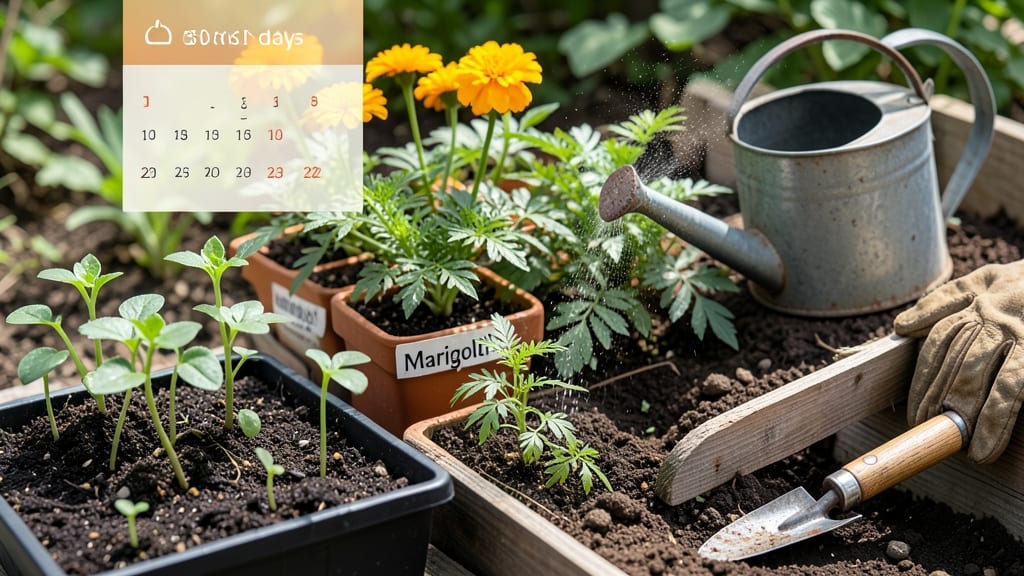
How long do marigolds take to bloom from seed? They can burst into color in as little as 30 days with the right care, but many gardeners wait twice as long because they miss the fastest varieties or overlook simple soil tricks.
If you’ve ever impatiently waited for marigolds to bloom—only to watch weeks slip by—you’re not alone. These vibrant flowers can feel frustratingly slow, but with the right varieties and growing conditions, you can cut that waiting time dramatically.
The key is choosing fast-growing types like French marigolds, which often flower in just 45 days, or optimizing soil pH and sunlight. Even African marigolds, known for their bold blooms, can speed up with proper care.
In this guide, I’ll break down the fastest varieties, soil secrets to speed up blooming, and how to spot healthy germination so you’re not left staring at green stems for months.
Marigold bloom times by variety: fastest-flowering types for quick color
Choosing the right marigold variety can slash your waiting time for colorful blooms by nearly half. While some varieties take 60+ days to flower, others burst into color in just 30-45 days.
The key lies in understanding the differences between French marigolds, African marigolds, and Mexican marigolds, each with unique growth speeds and characteristics.
If you're eager to see bright orange or golden yellow blooms ASAP, French marigolds like 'Tangerine Dream' are your best bet. These compact varieties often flower in 40-45 days from seed, making them perfect for container gardens or early-season color.
Their smaller stature also means they're less prone to the leggy growth that can delay blooming in taller varieties.
Here's the secret: African marigolds, like the popular 'Bonanza Yellow', typically take 60-75 days to bloom because they focus their energy on growing large, showy flowers rather than speed.
Meanwhile, Mexican marigolds (like 'Mexican Sun') often bridge the gap with 45-55 day bloom times, offering a balance between speed and size.
🌱
For the fastest results, I recommend starting with French marigolds like 'Janie' or 'Tangerine Dream'. These varieties are bred for quick germination and rapid blooming, often producing flowers in as little as 35 days under ideal conditions.
Their compact size also makes them perfect for small spaces or container gardening, where you want color without waiting months.
The color intensity of your marigolds can also affect bloom times. Darker orange varieties like 'Tangerine Dream' often flower slightly faster than pale yellow types because they allocate more energy to flower production rather than chlorophyll development.
If you're growing marigolds for pollinators, these darker varieties are also more attractive to bees and butterflies.
One common mistake I see is assuming all marigolds bloom at the same speed. African marigolds, while stunning with their large, dinner-plate-sized blooms, prioritize size over speed.
If you're in a rush for instant color, these varieties will disappoint unless you're willing to wait two full months from seed. For comparison, 'Bonanza Yellow' might take 75 days to bloom, while 'Janie' will give you flowers in about half that time.
Pro tip: If you're planting marigolds in late spring, choose French varieties for
Soil and sun secrets to speed up marigold blooming by 2-3 weeks
Marigolds thrive when you give them the right conditions, and soil quality and sunlight exposure are the two biggest factors controlling how fast they bloom.
While some varieties can take 60-75 days from seed to flower, optimizing these elements can shave off 2-3 weeks—meaning vibrant blooms in as little as 45 days! The secret lies in mimicking their natural tropical environment while avoiding common pitfalls.
Start with well-draining soil that’s rich in organic matter. Marigolds hate soggy roots, so amend heavy clay with compost or perlite to improve aeration. A slightly acidic to neutral pH (6.0-7.5) ensures nutrients like phosphorus—critical for flowering—are readily available.
Many gardeners skip this step, only to see slow, weak growth that delays blooming by weeks.
⚠️ Common Mistake: Overestimating Germination Speed
How long do marigolds take to bloom from seed? Most gardeners expect 7-10 days for germination, but in cool soil (below 50°F) or shady spots, seeds can take 2-3 weeks to sprout—and then another 6-8 weeks to bloom! Even worse, temperature fluctuations (like nighttime chills) can stall growth entirely. Solution: Use a seed heating mat (70-80°F) for faster sprouts, then move to full sun (6+ hours daily) to trigger flowering hormones.
Sunlight is non-negotiable for marigolds. These sun-worshippers need 6+ hours of direct sunlight daily to produce the energy required for blooming. If you notice leggy, sparse growth with few buds, your plants are begging for more light.
Even partial shade (like morning sun only) can delay flowering by 3-4 weeks. Try moving pots to a sunnier spot or prune nearby trees to open up the canopy.
Temperature plays a sneaky role in blooming speed. While marigolds love warm weather (70-85°F), extremes throw them off. Below 50°F slows germination and growth, while above 90°F can cause buds to drop before opening.
If you’re in a hot climate, provide afternoon shade during peak summer months. In cooler regions, start seeds indoors 4-6 weeks before your last frost date to give them a head start.
Don’t overlook the power of deadheading—removing spent blooms encourages new flowers to form faster. I’ve seen marigolds double their bloom rate in just 2 weeks after consistent deadheading. Pair this with a light fertilizer (5-10-10 NPK ratio) every 4-6 weeks during the growing season to keep plants energized.
Avoid heavy feeding, though—too much nitrogen promotes leafy growth at the expense of flowers.
For a troubleshooting checklist, keep these red flags in mind: yellow leaves (overwatering or poor drainage), no buds forming (lack of sunlight or phosphorus), or wilting in heat (insufficient water).
Adjust your care based on these signs, and you’ll see those cheerful orange and gold blooms arrive weeks ahead of schedule.