
Propagation
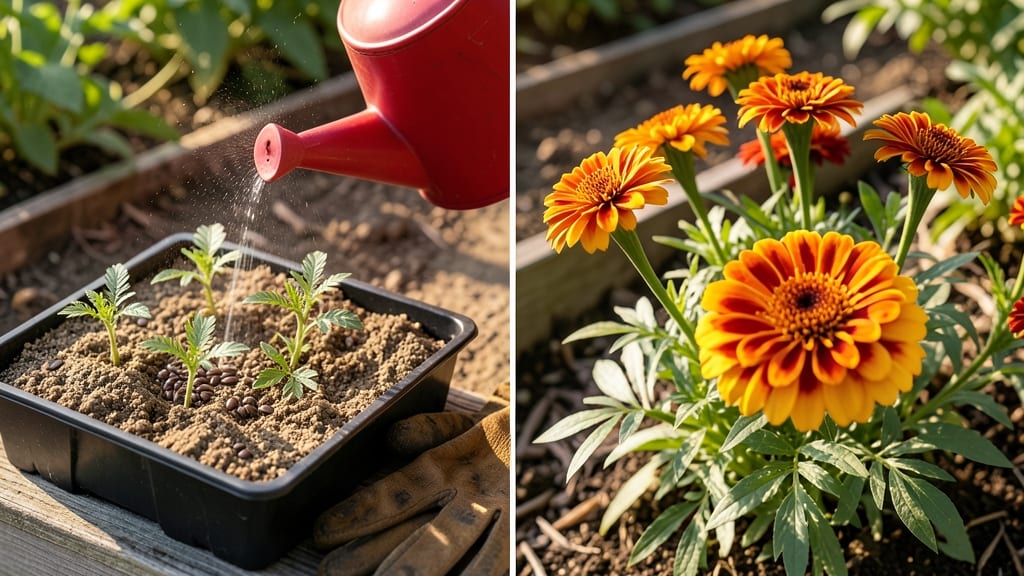
Marigolds bloom from seed in 45 to 90 days, depending on the variety and growing conditions—with French marigolds 🌼 racing to flowers in as little as 6 weeks while African types take closer to 3 months.
Picture this: you’ve just tucked those tiny seeds into the soil in early spring, and now you’re staring at a calendar, wondering if you’ll ever see those bright blooms.
The truth? Timing your planting right can shave weeks off that wait—especially if you’re growing in cooler zones where summers feel like a sprint.
Most gardeners in Zone 6a and warmer plant marigolds in March or April, aiming for blooms by June. But if you’re in a shorter season, starting seeds indoors in February or choosing fastest-blooming varieties is the key to beating the clock.
Below, I’ll break down exactly how to match your marigolds to your climate for a summer of nonstop color.
You’ll also discover the one trick that cuts blooming time by nearly half—no matter where you live. Ready to turn those seeds into a showstopping display?
Marigold bloom timelines from seed: days to first flowers by variety
If you've ever wondered "when do marigolds bloom from seed", the answer depends entirely on the variety you choose. French marigolds are the speedy bloomers of the pack, while African marigolds take their sweet time—sometimes nearly doubling the bloom timeline.
Understanding these differences helps you plan your garden for maximum color impact. For example, starting French marigolds indoors in early spring can give you summer-long blooms by June, while African varieties might not hit their peak until late summer or early fall.
Marigolds are annuals, meaning they complete their entire life cycle in one growing season.
From the moment you drop those tiny seeds into soil until the first vibrant blooms appear, timing varies widely. Germination typically takes 5–10 days under ideal conditions, but the real wait is for those cheerful faces to pop open.
Factors like soil warmth, sunlight exposure, and fertilizer balance can shave days—or even weeks—off your bloom timeline. Let’s break down the specifics for each popular type so you can set your expectations and plan accordingly.
| Variety | Days to Germination | Days to Transplant | Days to First Flowers | Height at Maturity | Bloom Duration |
|---|---|---|---|---|---|
| French Marigold | 5–10 days | 21–28 days | 45–60 days | 6–12 inches | Summer to frost |
| African Marigold | 7–14 days | 28–35 days | 70–90 days | 18–36 inches | Late summer to frost |
| Signet Marigold | 6–12 days | 21–28 days | 50–70 days | 12–18 inches | Summer to early fall |
French marigolds are the fastest bloomers, often rewarding gardeners with their first flowers in just 45–60 days from seed. This makes them ideal for early-season color, especially if you start seeds indoors in late winter.
Varieties like 'Bonanza Yellow' or 'Bonanza Orange' are classic choices for quick results. Their compact size—typically 6–12 inches tall—also makes them perfect for borders, containers, and even interplanting with vegetables to deter pests like nematodes.
African marigolds, on the other hand, are the tall, dramatic stars of the marigold world, but they require more patience. With heights ranging from 18–36 inches, they bring bold, long-lasting blooms to the back of beds or mixed borders.
The trade-off? Their 70–90-day bloom timeline means you’ll need to start seeds earlier or choose transplants if you want summer color. Popular varieties like 'Crackerjack Series' or 'Tangerine Gem' are worth the wait for their striking, large flowers.
Signet marigolds strike a balance between speed and height, typically blooming in 50–70 days and reaching 12–18 inches tall. They’re a fantastic middle-ground option if you want earlier blooms than African marigolds but don’t need the tiny size of French varieties.
Signets like 'Janie' or 'Petite Series' are also great for containers and add a unique, pom-pom-like bloom shape to your garden.
One critical factor that affects bloom timelines is soil temperature. Marigold seeds germinate best when soil is at least 70°F (21°C). If you’re in a cooler climate, consider using a seedling heat mat or waiting until after your last frost date to direct-sow.
In warmer zones (8–11), you can often start seeds as early as February for summer blooms, while cooler zones (3–7) may need to wait until April or May to avoid frost damage.
Light also plays a huge role in speeding up blooming. Marigolds thrive in full sun (6+ hours daily), but they’ll still grow in partial shade—though with fewer and smaller blooms.
If you’re growing marigolds in containers or indoors, supplement with a grow light to ensure they get enough light for robust growth. Without adequate light, seedlings may become leggy and weak, delaying flowering by weeks.
Finally, fertilizing correctly can shave days off your bloom timeline. Use a balanced fertilizer (5-10-10) when seedlings have 2–3 true leaves, then switch to a low-nitrogen, high-phosphorus formula (e.g., 10-20-10) once buds form to encourage flowering.
Over-fertilizing with nitrogen can lead to leafy growth at the expense of blooms, so always follow package instructions and avoid excessive feeding.
With the right variety and care, you can enjoy marigold blooms as early as June in most regions
Best planting months for marigolds by US hardiness Zone (Zone 3–11)
Timing your marigold seeds correctly ensures vibrant blooms all summer long. Since marigolds thrive in warm weather, planting too early in cold zones or too late in hot climates can delay—or even prevent—flowering.
The key is aligning your planting with your last frost date and choosing between indoor starts or direct sowing based on your zone.
For Zone 3–5, where winters are harsh, I recommend starting seeds indoors 6–8 weeks before your last frost date. In warmer Zone 6–11, you can often direct-sow seeds after soil temperatures reach 60°F (15°C).
Let’s break down the best planting windows by zone to maximize your marigold blooms.
In Zone 3–5, I always start my French marigolds indoors in late winter to beat the short growing season. By transplanting hardened-off seedlings after the last frost, I ensure blooms by early summer.
For Zone 6–8, direct sowing works well, but I still recommend starting seeds indoors if I want earlier flowers.
For Zone 9–11, marigolds are practically year-round plants. I often sow seeds in late summer for a fall/winter bloom, taking advantage of mild winters. In Zone 11, you can even grow marigolds as annuals year-round with consistent moisture and sun.
Pro tip: If you want extended blooms, make a second planting in early summer. This ensures fresh flowers well into fall, even in cooler zones. Just remember to deadhead spent blooms to encourage continuous flowering!
🌼